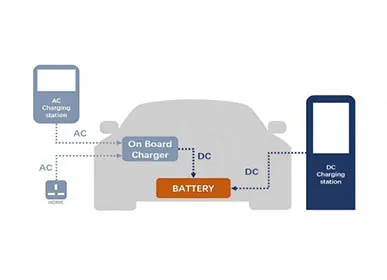
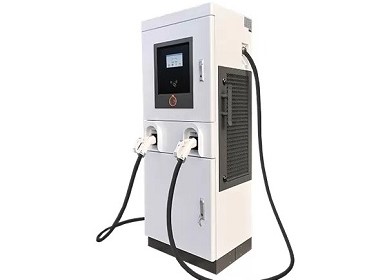
As electric vehicle battery capacity enters the "100kWh+" era, traditional AC slow charging is increasingly inadequate. The rise of low-power DC charging piles is not a simple replacement, b...
For years, our industry’s success has been measured by two numbers: how many chargers we’ve installed and how many kilowatts they can deliver. Over one million public charging points across Europe i...
When you park your car in the office building's basement, plug in the charger, and go upstairs for a meeting—your car isn't idle during that time. It might be "making money" or &quo...
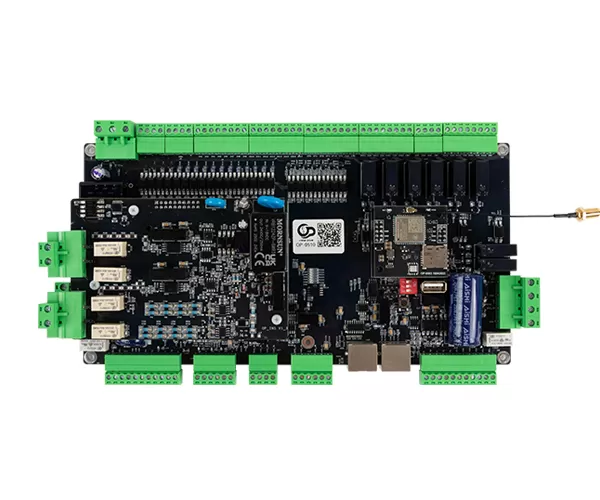
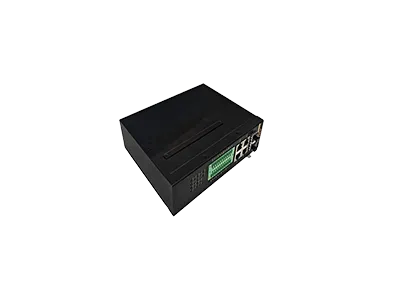
The charging pile communication module is the core communication hub of the new energy vehicle charging system. It is responsible for connecting the entire data interaction between the vehicle, the ch...
In an era where electric mobility and smart charging technologies are deeply intertwined, the dimensions of industry competition are undergoing a fundamental shift. True core competitiveness no longer...
EV charger installation requirements are the electrical, site, safety and compliance conditions that must be met before installing an electric vehicle charging station. These requirements affect charg...
Purchasing a DC fast charger is a significant investment for charging station operators, fleet managers, and commercial property developers. However, the initial equipment price represents only one pa...
Choosing a commercial DC fast EV charger requires more than comparing rated power outputs. Voltage range, maximum current, conversion efficiency, power factor, protection ratings, and electrical safet...
ISO 15118 conformance testing has a reputation for being brutal. In practice, most failures do not come from misunderstanding the protocol. They come from six implementation details that only surface ...





 English
 Deutsch
 Español
 italiano
 русский
 português
 Svenska
 العربية
 Nederland
 norsk
 français