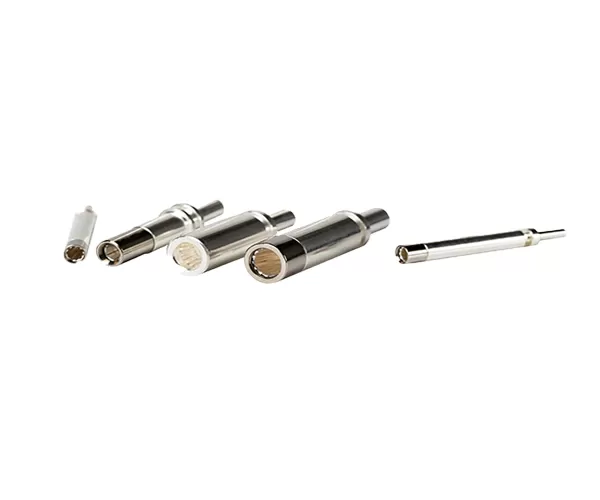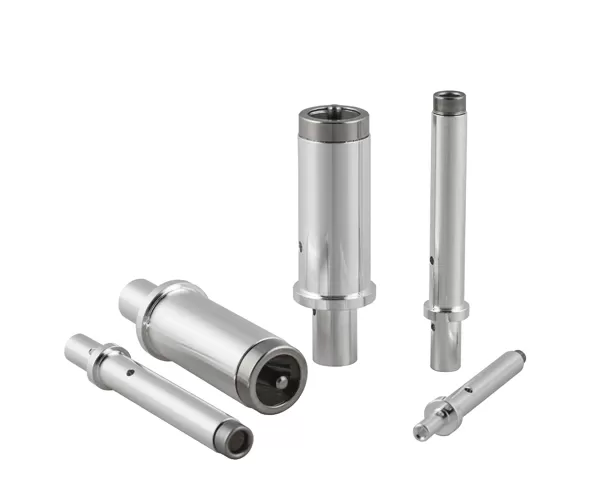
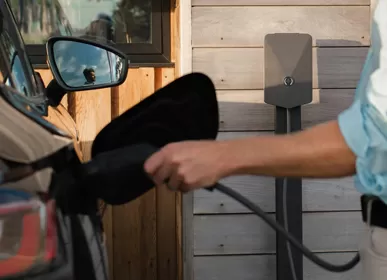
The future landscape of contact electric vehicle connectors is poised for groundbreaking innovation, redefining the way electric vehicles connect to charging infrastructure. As technology advances and the demand for electric mobility grows, the evolution of these connectors is not only inevitable but central to shaping the next chapter of sustainable transportation.
One of the most significant shifts in the future landscape of contact electric vehicle connectors is the rise of contactless charging technology. As the industry progresses, wireless charging solutions are gaining prominence, eliminating the need for physical connectors altogether. This revolutionary approach involves charging pads embedded in parking spaces or roadways, allowing electric vehicles to charge simply by parking over designated areas.
Contactless charging not only enhances the user experience by eliminating the need for manual plugging but also opens up new possibilities for urban infrastructure. It enables dynamic charging scenarios, where electric vehicles can charge while waiting at traffic signals or parked for short durations. This advancement aligns with the broader goal of seamlessly integrating electric mobility into the fabric of urban life.
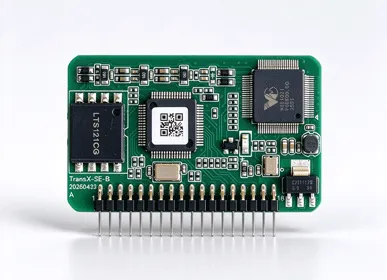
The future of contact electric vehicle connectors extends beyond their fundamental role of power transfer. Smart connectivity features are becoming increasingly sophisticated, transforming connectors into intelligent components that communicate with both the vehicle and the charging infrastructure. This integration allows for real-time data exchange, enabling users to monitor charging status, track energy consumption, and receive predictive maintenance alerts.
Smart connectivity also plays a crucial role in grid management. Electric vehicles equipped with advanced connectors can communicate with the grid, optimizing charging times based on energy demand, availability of renewable energy, and cost-effectiveness. This bidirectional communication paves the way for a more responsive and adaptive charging infrastructure, where electric vehicles become integral components of a dynamic and intelligent energy ecosystem.
The future landscape of contact electric vehicle connectors is characterized by a growing emphasis on sustainability. Integrating connectors with renewable energy sources, such as solar and wind, is emerging as a key trend. Charging stations equipped with solar panels or wind turbines can generate clean energy on-site, offering a more sustainable and eco-friendly charging solution.
This integration aligns with the broader goals of reducing the carbon footprint of electric vehicles and promoting cleaner energy practices. It also addresses concerns related to the environmental impact of electricity generation for electric vehicle charging, contributing to a more holistic and environmentally conscious approach to E-Mobility.
As the electric vehicle market continues to expand, the future landscape of contact connectors is moving towards universal standards and increased interoperability. Standardization efforts aim to create a common language for connectors, ensuring that electric vehicles can seamlessly connect to various charging stations, regardless of the manufacturer. This move towards universal compatibility not only simplifies the user experience but also accelerates the growth of E-Mobility by eliminating barriers to widespread adoption.
In conclusion, the future landscape of contact electric vehicle connectors is a tapestry of innovation, sustainability, and interconnected intelligence. The shift towards contactless charging, the integration of smart connectivity, technological convergence with renewable energy sources, and the push for universal standards all contribute to shaping a dynamic and forward-thinking E-Mobility ecosystem. As these advancements become integral to the fabric of transportation infrastructure, contact electric vehicle connectors will play a pivotal role in fostering a future where electric mobility is not just a mode of transportation but a cornerstone of sustainable and intelligent urban living.
 English
 Deutsch
 Español
 italiano
 русский
 português
 Svenska
 العربية
 Nederland
 norsk
norsk français