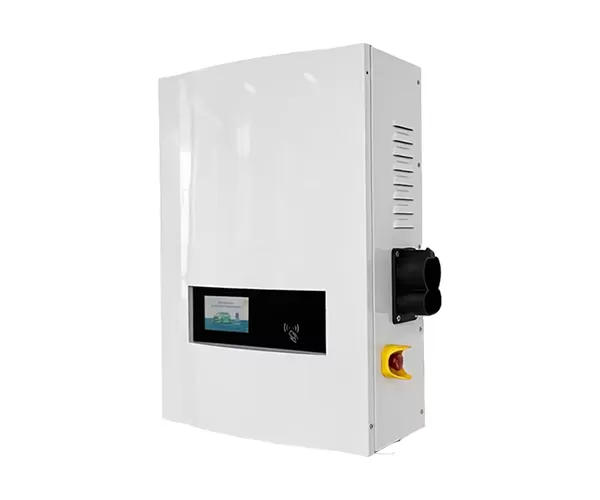
Fast EV charging cables typically use DC charging technology, offering high power and the ability to quickly replenish a vehicle's battery. Generally, fast charging cables can reach tens or even hundreds of kilowatts, reducing charging time to tens of minutes. For example, an electric vehicle with a 500km range can be charged from 20% to 80% in just 30-60 minutes using a DC fast charging gun, significantly reducing charging time and improving travel efficiency.
Fast charging is suitable for long-distance travel and situations requiring urgent charging, such as at highway service areas and city fast charging stations. When the battery is low during a long drive, drivers can use a fast charging gun at a service area to quickly charge the vehicle and continue their journey, minimizing time wasted on charging.
However, fast charging also has some drawbacks. Due to the high charging power, it puts more stress on the battery, and frequent, prolonged use of fast charging may affect battery life. Fast charging generates a significant amount of heat inside the battery. If heat dissipation is insufficient, it can lead to decreased battery performance and accelerated aging. Furthermore, fast charging stations are more expensive to build, relatively few in number, and not widely distributed. In some remote areas or smaller cities, finding a fast charging station can be difficult, causing inconvenience for car owners.
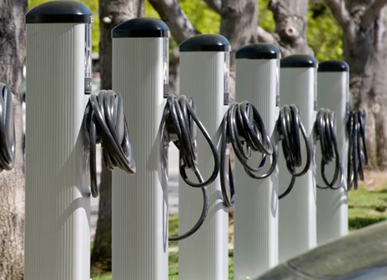
Slow charging cables primarily use AC charging technology, with lower power and longer charging times. Common slow charging cables have power outputs between 3.5kW and 7kW, and charging times can take several hours or even more than ten hours.
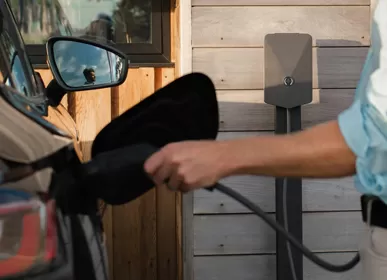
Slow charging is suitable for overnight charging or long-term parking charging at home or workplace. At home, car owners can charge their vehicles during off-peak hours when electricity prices are lower, reducing charging costs. Moreover, slow charging causes less damage to the battery, extending its lifespan. Because the current is lower during slow charging, the internal chemical reactions are relatively gentle, generating less heat, which is beneficial for battery maintenance. Additionally, slow charging stations are less expensive to build, more numerous, and more convenient to use. Slow-charging stations can be installed in residential areas, office buildings, and other locations to provide charging services for car owners.
When choosing a charging method, car owners should consider their actual needs and usage scenarios. If you frequently travel long distances and need quick charging, you can use fast charging appropriately, but be careful to control the frequency of fast charging to avoid excessive damage to the battery. If you mainly commute daily and have a fixed parking and charging location, slow charging is a better choice, as it meets charging needs while protecting the battery. Furthermore, car owners can flexibly choose the charging method based on the vehicle's remaining battery power and travel plans. If the vehicle's battery is low and you urgently need to travel, you can choose fast charging; if the battery is still sufficient and you have ample time, you can choose slow charging.
n e x t
 English
 Deutsch
 Español
 italiano
 русский
 português
 Svenska
 العربية
 Nederland
 norsk
norsk français