These connectors serve the fundamental purpose of connecting the ends of wires to various devices and components. Terminal connectors come in a variety of shapes, including ring terminals, spade terminals, and blade terminals, each catering to specific connection requirements.
In the intricate dance between the vehicle and its sensors, specialized sensor connectors play a pivotal role. These connectors ensure that signals from sensors, monitoring everything from engine temperature to tire pressure, are accurately transmitted to the vehicle's control systems.
The lifeblood of the vehicle's electrical system, power connectors are responsible for transmitting electrical power to different components. Battery connectors, fusible links, and high-amperage connectors fall under this category, ensuring a robust power distribution network.
Wiring harness connector types play a critical role in the functionality of a vehicle's safety systems. Connectors within the airbag system, for example, ensure that signals are transmitted instantaneously in the event of a collision, triggering the deployment of airbags to safeguard occupants.
The reliability of wiring harness connector types is especially crucial in emergency situations. Connectors within braking systems, anti-lock brake systems (ABS), and traction control systems must perform flawlessly to ensure the vehicle responds promptly and effectively to sudden changes in driving conditions.
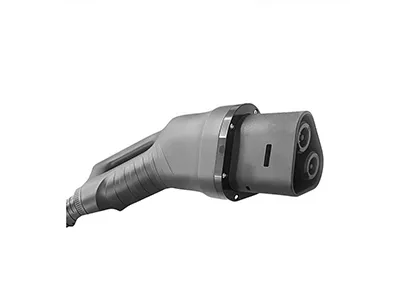
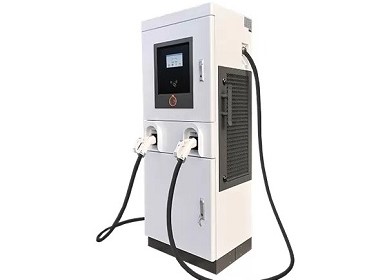
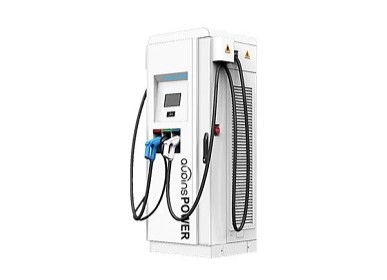
As vehicles evolve, so do wiring harness connector types. The integration of advanced technologies, such as electric propulsion systems and autonomous features, demands connectors with enhanced capabilities. High-speed data connectors for in-vehicle networking and connectors for electric vehicle charging systems are examples of emerging trends in wiring harness technology.
The future of wiring harness connector types lies in their adaptability to the increasing complexity of vehicle systems. Connectors that facilitate communication between sensors, control units, and emerging technologies like vehicle-to-everything (V2X) communication will play a pivotal role in shaping the next generation of connected vehicles.
In conclusion, wiring harness connector types are the unsung heroes that enable the intricate dance of electrical signals within a vehicle. From facilitating fundamental connections to ensuring the reliability of safety systems, these connectors are the backbone of automotive connectivity. As vehicles continue to advance, the adaptability and versatility of wiring harness connector types will be pivotal in navigating the dynamic landscape of modern automotive technology. Their significance goes beyond the visible wires, underscoring the reliability, safety, and innovation that define the vehicles we drive today and into the future.
 English
 Deutsch
 Español
 italiano
 русский
 português
 Svenska
 العربية
 Nederland
 norsk
 français