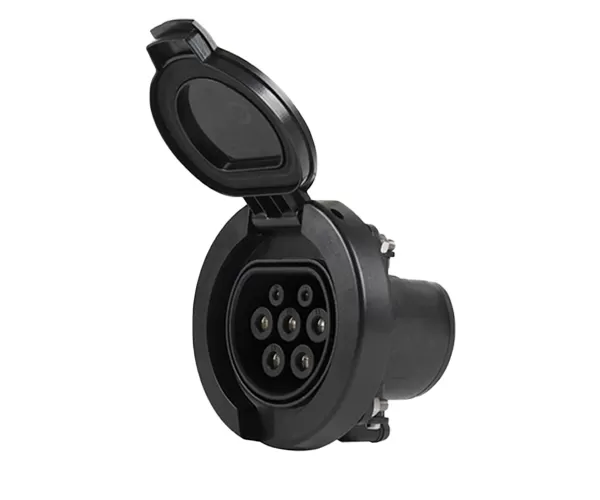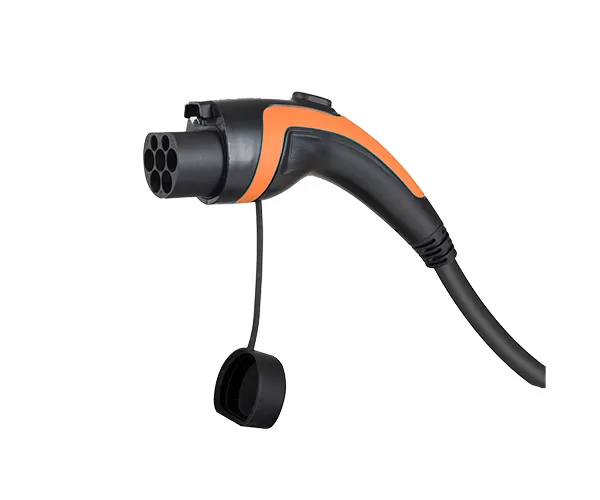
As electric vehicles become more popular worldwide, charging compatibility has become one of the biggest concerns for EV owners and charging infrastructure providers. Different countries, automakers, and charging networks use different charging standards, making the adapter for electric car charger an essential component in modern EV charging systems.
According to the International Energy Agency (IEA), global EV sales exceeded 17 million units in 2024, while public charging infrastructure continues expanding rapidly across North America, Europe, and Asia. This growth has increased demand for reliable EV charging adapters that can safely connect vehicles with different charging standards.
For charging equipment manufacturers and infrastructure providers, selecting high-quality charging connectors and adapters is critical for charging safety, efficiency, and long-term durability.
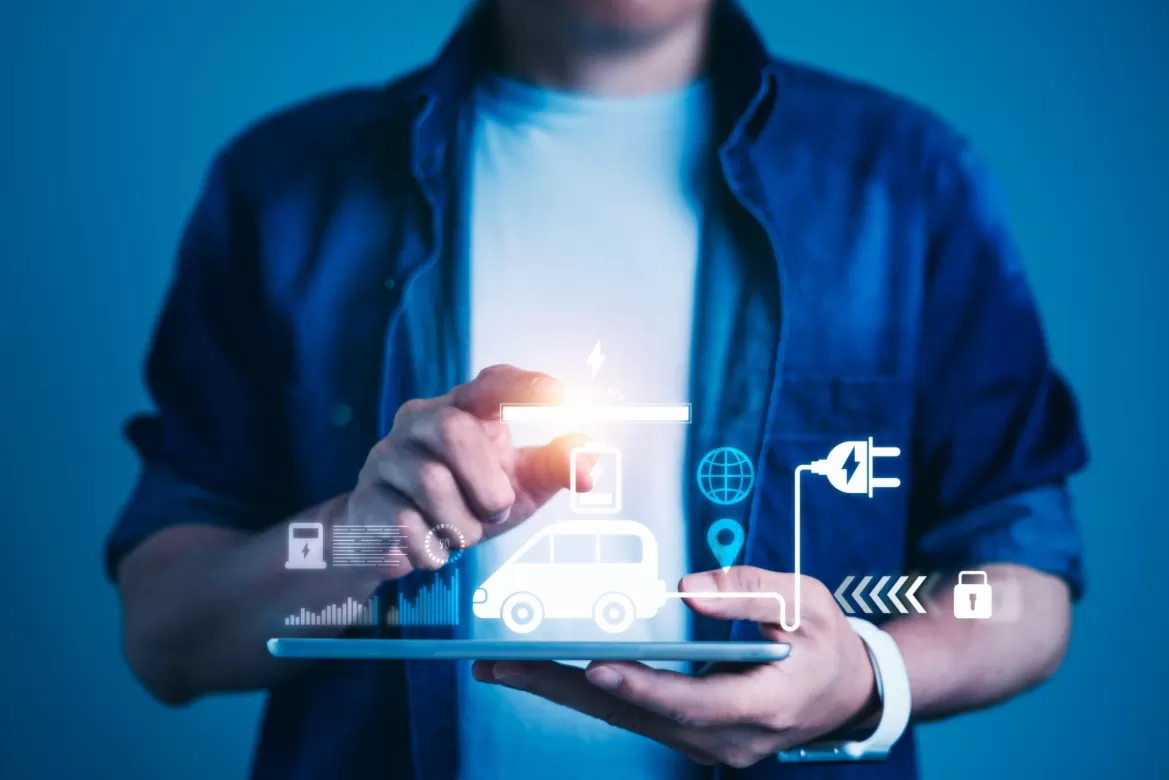
An adapter for an electric car charger is a device that allows an electric vehicle to connect with a charging station using a different charging connector or charging standard.
Because EV charging standards vary globally, adapters help bridge compatibility gaps between vehicles and charging stations. For example, a Tesla vehicle may need an adapter to use a CCS charging station, while a Type 1 EV may require a Type 2 adapter in Europe.
The most common charging standards include:
| Charging Standard | Main Regions | Typical Applications |
| Type 1 (SAE J1772) | North America, Japan | AC charging |
| Type 2 (Mennekes) | Europe | AC charging |
| CCS1 / CCS2 | Global fast charging | DC charging |
| CHAdeMO | Japan | DC fast charging |
| NACS (Tesla) | North America | Tesla charging |
EV Charging adapters are becoming increasingly important as global charging networks expand and EV drivers expect greater flexibility during travel.
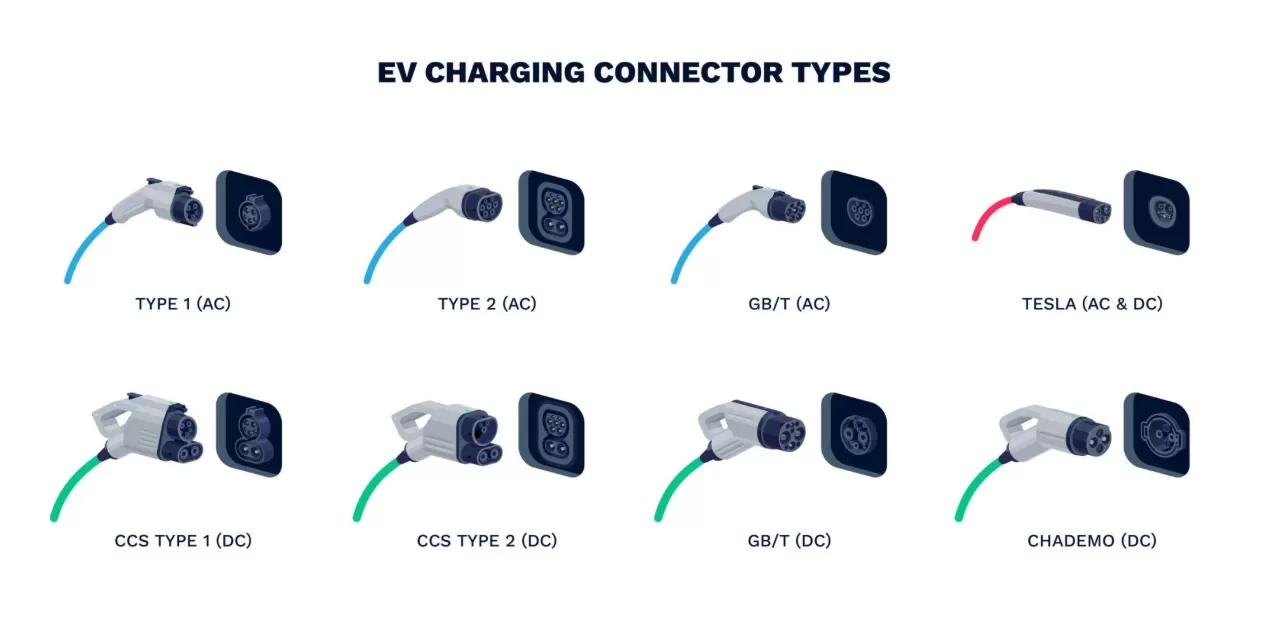
EV charging adapters improve interoperability between vehicles and charging stations, enabling broader charging access and more efficient infrastructure utilization.
The EV market remains fragmented because different automakers and regions adopted different connector systems over time. Without adapters, many EV owners would face charging limitations when traveling or using third-party charging networks.
Modern charging infrastructure increasingly requires:
Multi-standard charging compatibility
Fast charging support
Safe high-current transmission
Thermal management capability
Waterproof and outdoor durability
As charging power increases from 7kW AC charging to 350kW ultra-fast DC charging, connector quality becomes more important than ever.
AUPINS specializes in high-performance electrical connection systems and provides customized EV charging connector and adapter solutions for global charging equipment manufacturers.
Choosing the correct EV charging adapter requires matching vehicle connector type, charging station standard, power rating, and safety certification.
Not all charging adapters are interchangeable. Buyers should carefully verify charging specifications before purchasing an adapter.
Here is a comparison of common EV charging adapter considerations:
| Factor | Why It Matters |
| Connector Compatibility | Ensures physical connection |
| Voltage & Current Rating | Supports charging safely |
| Fast Charging Support | Enables DC charging capability |
| Waterproof Protection | Improves outdoor reliability |
| Material Quality | Prevents overheating |
| Certification Compliance | Meets safety regulations |
High-quality charging adapters should comply with international standards such as CE, UL, and RoHS certifications.
Many low-quality adapters suffer from overheating, unstable charging, or poor durability after long-term use. This is especially risky in high-power fast charging environments where thermal resistance and conductivity directly affect charging safety.
AUPINS emphasizes strict quality control and customized engineering support for EV charging connector applications. The company supports OEM and ODM projects for global EV charging infrastructure brands.
According to Statista, the number of global public EV charging stations is expected to continue rising significantly throughout the decade, further increasing demand for compatible charging solutions.
Future EV charging adapter technologies focus on higher charging power, smarter communication protocols, and improved global charging interoperability.
The EV industry is rapidly moving toward universal charging compatibility. Several major automakers are adopting new charging standards and expanding access to public charging networks.
Key industry trends include:
| Trend | Industry Impact |
| Ultra-Fast Charging | Reduced charging times |
| Smart Charging Communication | Better charger-vehicle coordination |
| NACS Expansion | Wider charging compatibility |
| Compact Connector Design | Easier handling |
| Improved Thermal Management | Safer high-power charging |
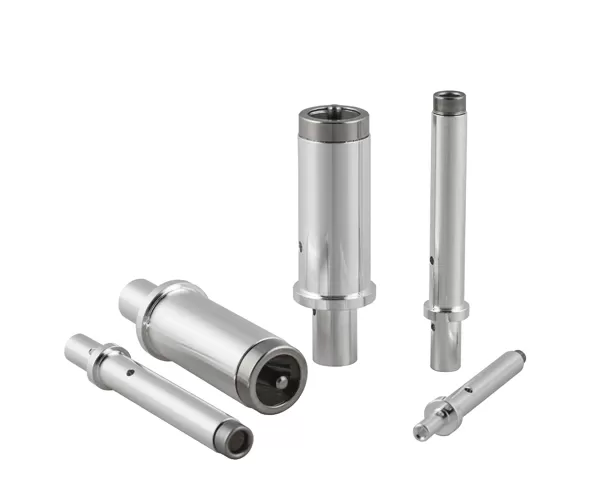
As charging currents increase, connector engineering becomes increasingly important. Manufacturers must optimize conductor materials, insulation performance, and heat dissipation capabilities.
AUPINS continues investing in advanced connector technology and customized EV charging solutions for next-generation systems.
As the global EV market continues expanding, charging compatibility has become increasingly important for both EV owners and charging infrastructure providers. Adapters for electric car chargers help bridge differences between charging standards and improve accessibility across public and private charging networks.
For charging manufacturers and infrastructure developers, selecting reliable connector and adapter suppliers is essential for ensuring safe, stable, and efficient charging performance. With expertise in electrical connection systems and customized EV charging solutions, AUPINS continues supporting the development of next-generation EV charging infrastructure worldwide.
An EV charging adapter allows a vehicle to connect with a charging station using a different connector standard.
No. Some adapters only support AC charging, while others are designed for high-power DC fast charging.
Yes. Tesla vehicles can often use adapters to connect with CCS or other charging standards depending on the region.
Poor-quality connectors can overheat, reduce charging efficiency, and create safety risks during high-current charging.
Yes. AUPINS supports customized connector and charging system solutions for OEM and ODM projects worldwide.
Reliable adapters typically comply with CE, UL, RoHS, and other regional safety certifications.
 English
 Deutsch
 Español
 italiano
 русский
 português
 Svenska
 العربية
 Nederland
 norsk
norsk français