
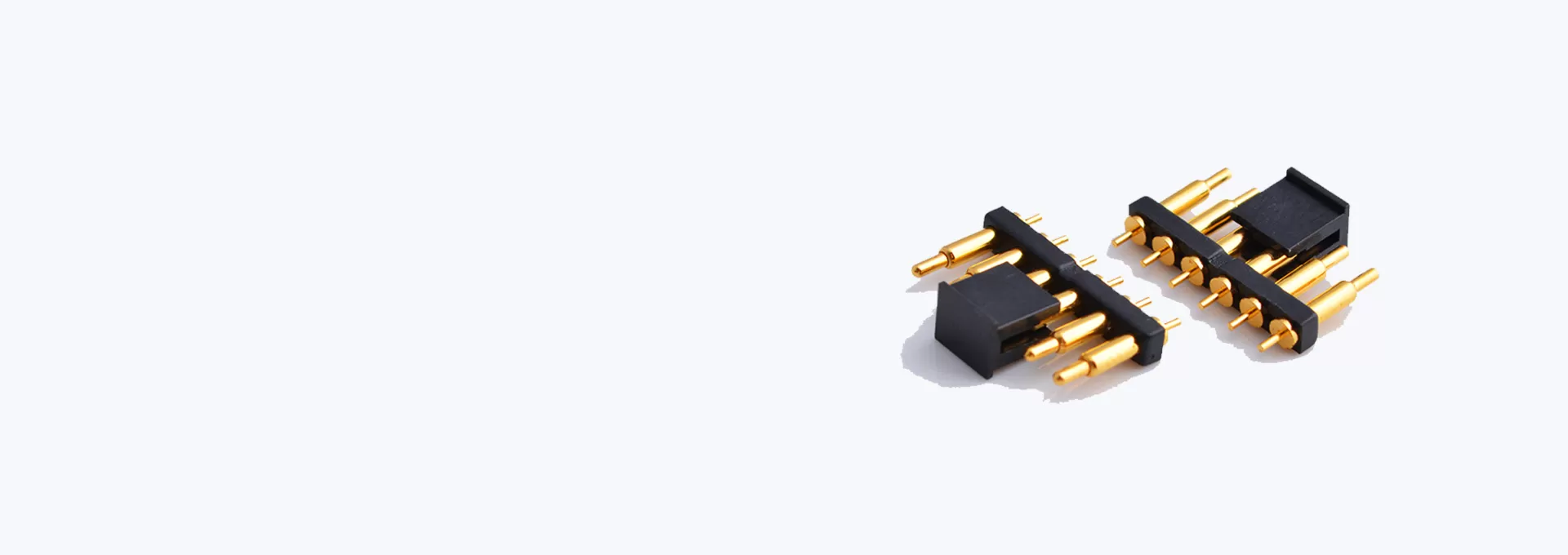
PCB connectors are designed for high-density and high-speed signal transmission. Their insulating housing ensures internal contacts are protected from interference, guaranteeing structural stability. Supporting simultaneous transmission of multiple signals, they are suitable for electronic devices and circuit board applications with stringent requirements for connection reliability and signal integrity.
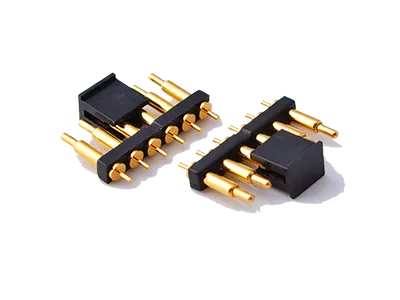
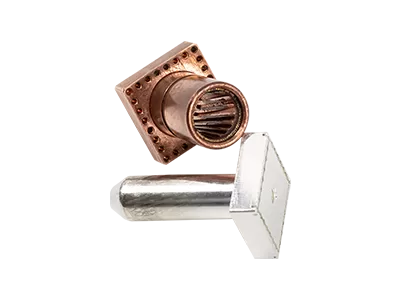
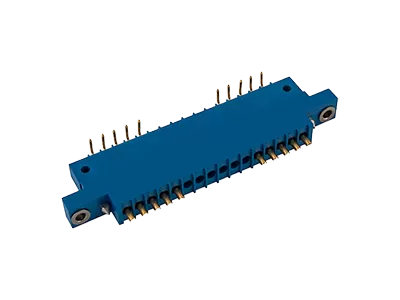
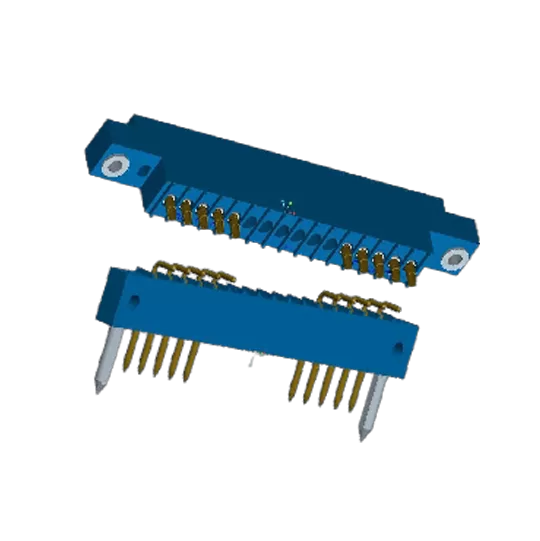
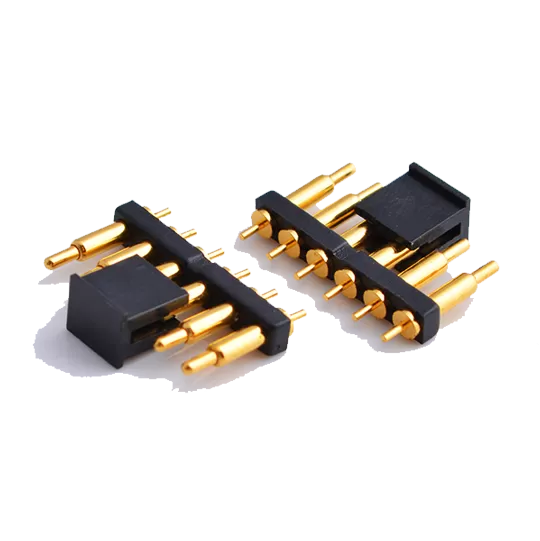
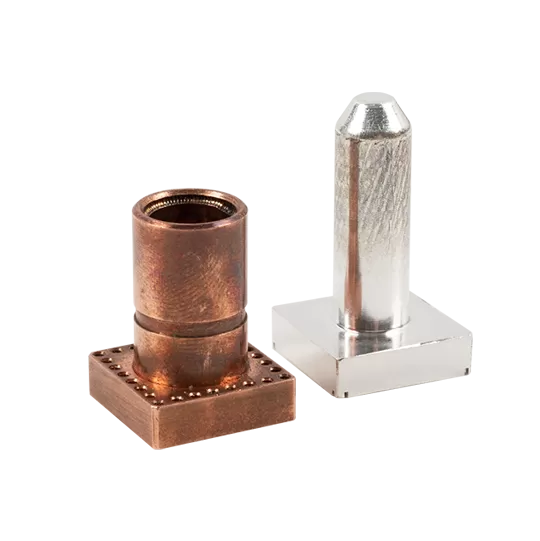
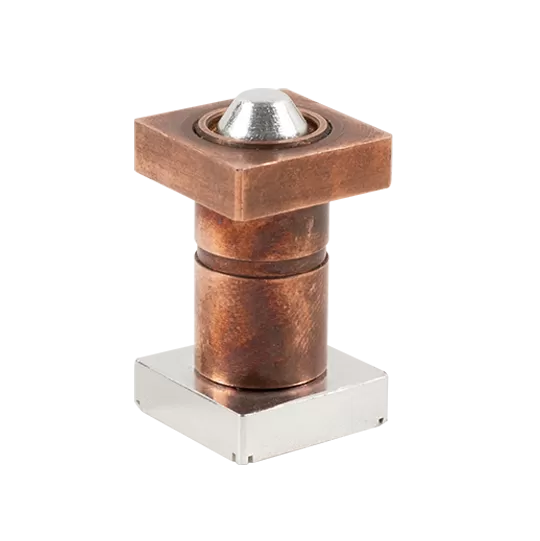
The flexible contact structure combined with a wear-resistant plating maintains reliable electrical connection even after tens of thousands of insertion/removal cycles, extending the overall lifespan of the device.
Utilizing high-performance materials, it withstands high temperatures, humidity, and chemical environments, ensuring long-term stable operation under harsh conditions.
The compact design supports high-density multi-pin layouts, achieving more connection points within limited PCB space, contributing to device miniaturization and weight reduction.
Offering rapid sampling support for standard products and full customization services, it can flexibly match different pin counts, spacing, and mounting methods, accelerating product development.


AUPINS electric vehicle charging accessories have obtained international certifications such as CE, UKCA, UL, and TÜV, ensuring global compliance. We also comply with Chinese CCC standards, meeting domestic market access requirements. If you require any specific certification support, please feel free to contact us; we will provide you with customized solutions.




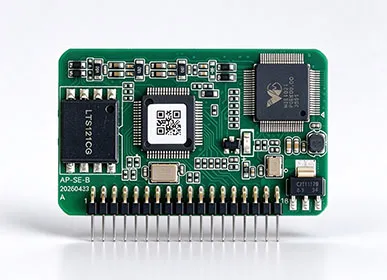
A PCB connector is an electrical connector consisting of a housing and internal contacts. Its main function is to reliably connect different parts of a circuit on a printed circuit board.
"16-pin" refers to the connector having 16 independent conductive contacts (or cores). This design allows it to transmit multiple signals or power simultaneously, making it suitable for complex electronic devices requiring high-density, multi-line connections.
The housing is typically made of insulating material. Its main purpose is to protect the internal precision contacts from external interference (such as dust, moisture, and physical impact) and to ensure the robustness and durability of the entire connector structure.
With its ability to transmit multiple signal lines simultaneously, it is particularly suitable for applications requiring high-density integration and high-speed signal transmission, such as high-end communication equipment, industrial control systems, servers, and complex automotive electronic modules.

 English
 Deutsch
 Español
 italiano
 русский
 português
 Svenska
 العربية
 Nederland
 norsk
norsk français