
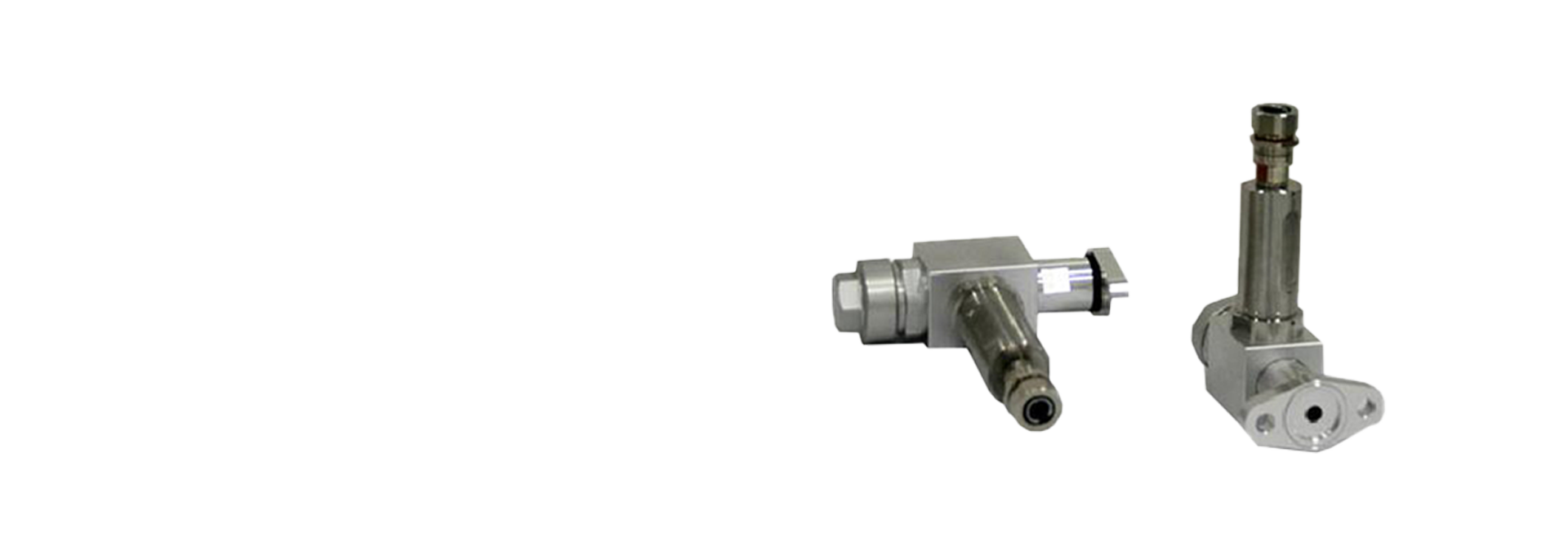
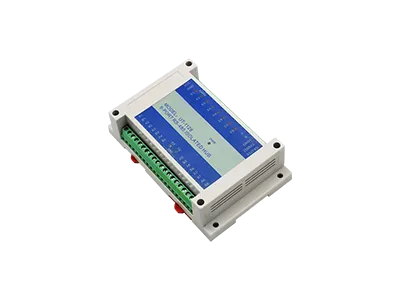
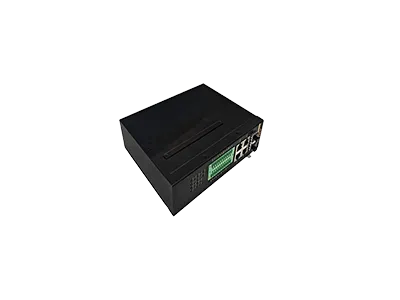
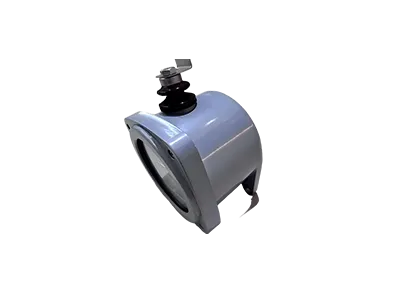
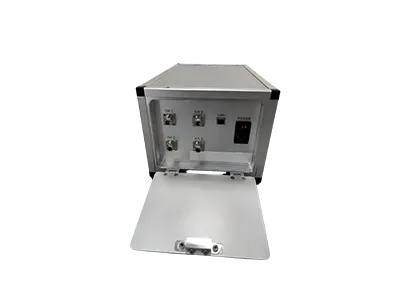
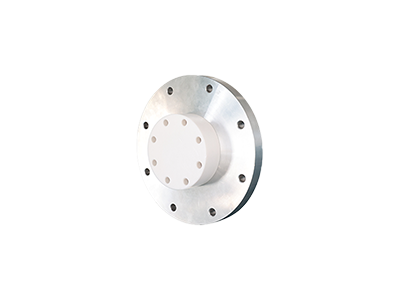
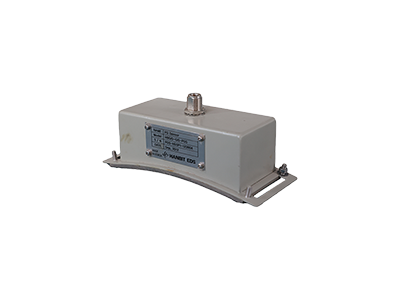
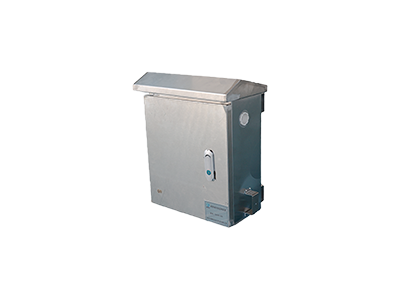
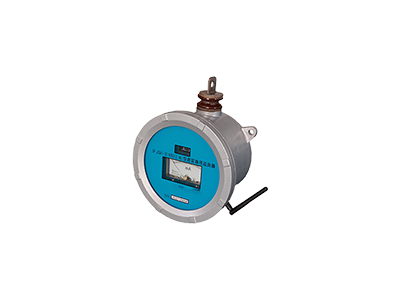
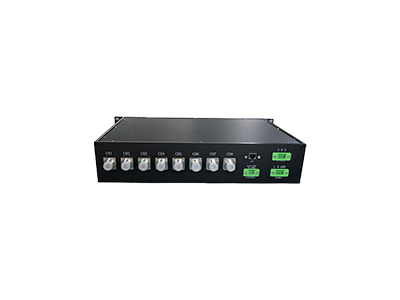
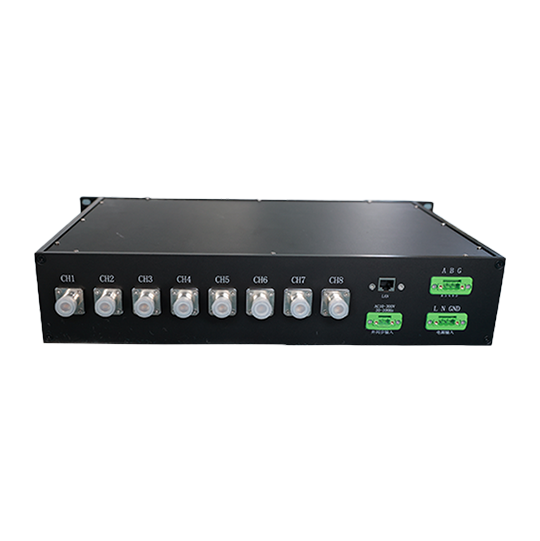
It supports on-site online monitoring. It uses external sensors of ultra-high frequency and ultrasonic waves. There is no need to touch the high-voltage live components of the GIS. The installation and debugging can be completed during the normal operation of the substation without affecting power supply.
Multiple channels simultaneously collect partial discharge signals, and through the time difference positioning algorithm, the location of the GIS discharge defect point is determined; an internal standard fault pattern library is built, automatically differentiating between suspended discharge, metal particles, insulator air gap discharge, etc., and quantifying the discharge amplitude to evaluate the severity of insulation deterioration.
1. Check if the sensor installation is loose or shifted; 2. Investigate external electromagnetic interference from switches, wireless devices, etc. in the site; 3. Adjust the partial discharge alarm threshold and enable digital filtering and noise reduction in the platform backend; 4. Use multi-sensor fusion comparison to filter out interference signals.
The system automatically classifies the risks into three levels: attention, abnormal, and severe. The light-level risks are continuously tracked for trends; medium-level abnormalities shorten the inspection cycle; severe partial discharge prompts immediate power outage for maintenance to prevent insulation breakdown, short circuit, and burning of GIS equipment.
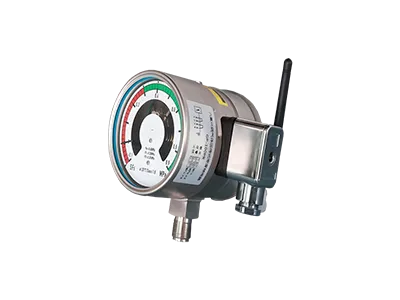
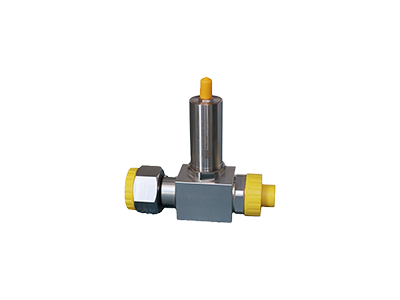
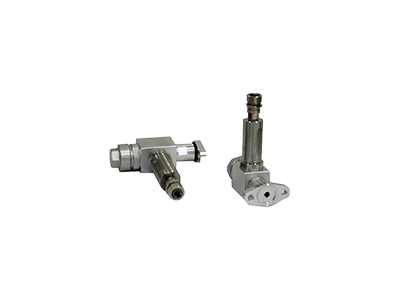
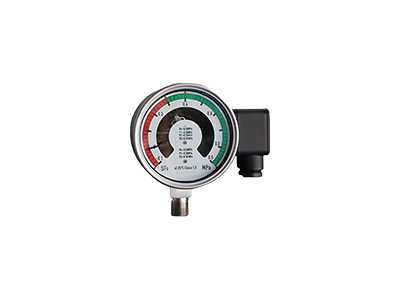
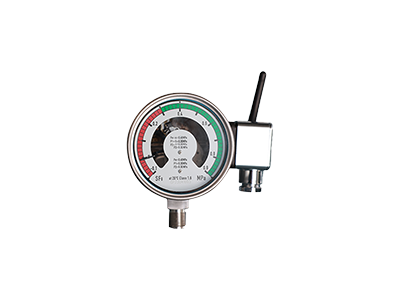
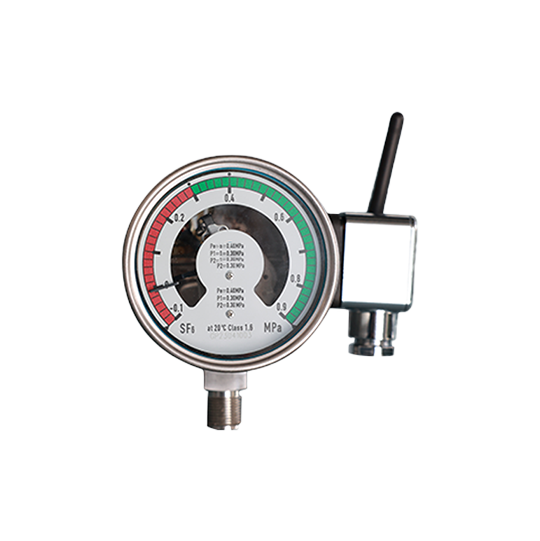
It collects the three core indicators of SF6 pressure, temperature and density in real time. It has an internal temperature compensation algorithm to accurately convert the standard density and automatically draw the long-term change trend curve.
Continuous decrease in density → Leakage in the gas chamber; Synchronous abnormality in temperature and pressure → Internal moisture, deterioration of gas decomposition; A sudden change in trend requires timely gas replenishment, leak detection or gas purification to ensure stable insulation and arc-extinguishing performance.
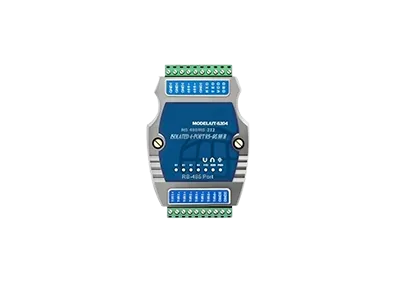
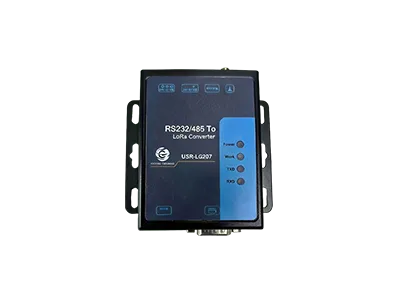
The device is equipped with RS485/ Ethernet interfaces, which can be directly connected to the GP-IEDGA series communication management machine. The unified protocol is forwarded to the background platform to achieve centralized monitoring of SF6 data from multiple intervals.
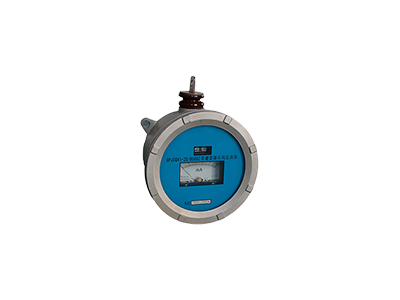
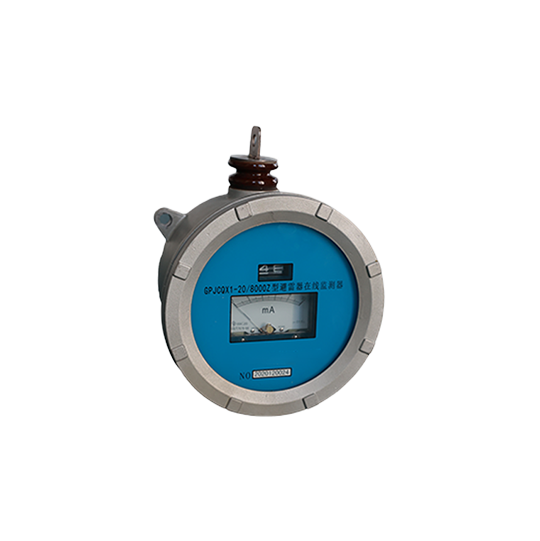
It continuously monitors the total leakage current and resistive current 24 hours a day, capturing characteristic changes such as gradual increase and sudden spike in current.
The continuous increase in resistive current is mostly caused by the aging of the valve plates of the lightning arrester or water ingress and moisture absorption inside the seal. If no timely warning is given, the lightning arrester will lose its ability to protect against overvoltage, and lightning strikes or operational overvoltage are likely to cause breakdown of the main equipment of the GIS.
 English
 Deutsch
 Español
 italiano
 русский
 português
 Svenska
 العربية
 Nederland
 norsk
norsk français