The EV charging station market is entering a new growth stage as electric vehicles move from early adoption to mass-market transportation. For charging equipment brands, distributors, fleet operators, property developers, parking operators, and energy companies, this market creates strong demand for reliable EV chargers, charging cables, connectors, adapters, sockets, electrical protection devices, and smart charging solutions.
According to the International Energy Agency’s Global EV Outlook 2026, nearly 1.8 million public charging points were added worldwide in 2025, bringing the global public charging stock to more than 7 million by the end of the year. The same report also noted that there were around 11 electric light-duty vehicles per public charging point worldwide in 2025.
As a one-stop EV charging solutions manufacturer, AUPINS supports this growing market with EV chargers, charging accessories, EV charging cables, adapters, sockets, electrical protection devices, control boards, and OEM/ODM solutions for global charging projects.
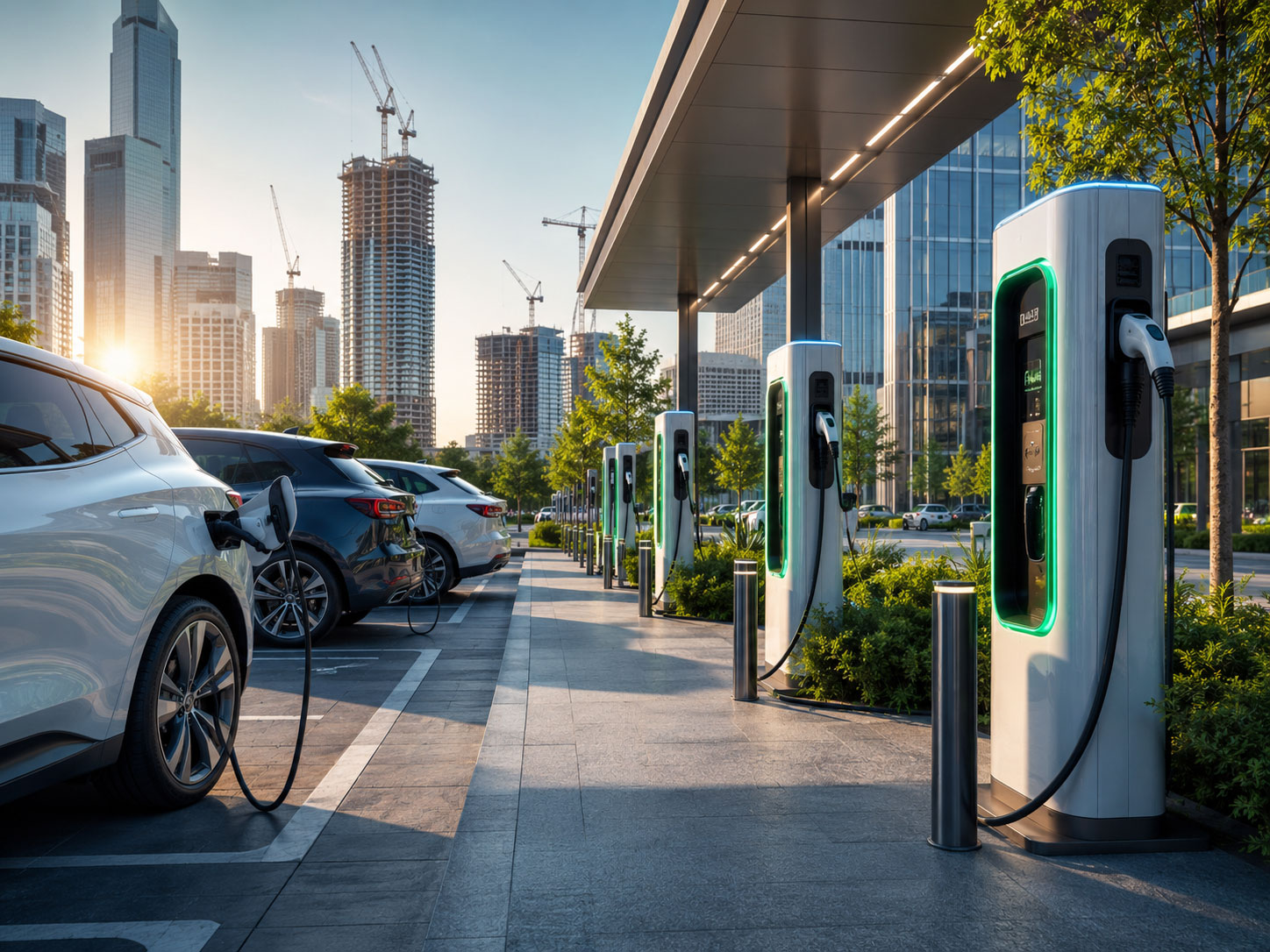
The EV charging station market refers to the global business ecosystem that designs, manufactures, installs, operates, and maintains charging infrastructure for electric vehicles. This market includes residential chargers, workplace chargers, commercial EV charging stations, public DC fast chargers, fleet charging depots, portable EV chargers, and the supporting components required for safe and stable charging. It also includes software and service models such as billing systems, user management, load balancing, remote monitoring, and maintenance support.
AUPINS provides EV charging products through its EV Charger category, helping buyers select suitable charging equipment and components for different commercial and residential projects.
The EV charging station market is growing because electric vehicle adoption, public charging demand, government policy, and commercial fleet electrification are increasing at the same time.
As more EVs enter the road, drivers need convenient charging at home, at work, during shopping, along highways, and inside urban charging hubs. Public charging is especially important for EV drivers without private parking, high-mileage commercial vehicles, and long-distance travel.
Policy support is another important driver. The European Commission's Alternative Fuels Infrastructure guidance emphasizes charging infrastructure deployment, payment options, price transparency, consumer information, non-discriminatory practices, and smart recharging. This pushes charging operators to choose equipment that is not only powerful, but also safe, compatible, and user-friendly.
Commercial demand is also expanding. Hotels use EV chargers to attract guests. Retail centers use chargers to increase customer stay time. Business parks and factories use chargers to support employee EV adoption. Fleet operators need charging depots to manage electric taxis, ride-hailing vehicles, delivery vans, and service vehicles.
For suppliers, this means the market is shifting from simple charger sales to complete charging solutions. AUPINS supports this trend with EV charging solutions for homes, businesses, fleets, parking facilities, hotels, gas stations, and other destinations.
The main EV charging station market segments include residential charging, workplace charging, commercial charging, public fast charging, and fleet charging.
Each segment has different buyer priorities. Residential users usually care about safety, compact design, cost, and easy operation. Workplace and commercial buyers care more about access control, reliability, user experience, and maintenance. Public charging operators focus on uptime, connector durability, charging speed, payment compatibility, and operating cost. Fleet operators care about charging efficiency, scheduling, load management, and equipment lifecycle cost.
| Market Segment | Typical Location | Common Charging Type | Main Buyer Priority |
| Residential EV Charging | Homes, villas, apartments | AC charging | Safety, cost, simple operation |
| Workplace EV Charging | Offices, factories, business parks | AC or DC charging | Employee convenience and access control |
| Commercial EV Charging | Hotels, malls, retail stores | AC or DC charging | Customer attraction and brand value |
| Public Fast Charging | Highways, gas stations, urban hubs | DC fast charging | High uptime, fast charging, payment support |
| Fleet EV Charging | Taxi, logistics, ride-hailing depots | DC or mixed charging | Efficiency, scheduling, operating cost |
The U.S. Department of Energy’s Alternative Fuels Data Center also notes that charging the growing number of EVs requires a robust network of stations for both consumers and fleets. This supports the market logic that different charging scenarios need different product designs, power levels, and operating models.
The strongest opportunities often appear where EV usage is frequent and predictable. Fleet depots, business parks, hotels, public parking operators, and urban fast-charging hubs can generate repeated charging demand, making charger reliability and after-sales support especially important.
Buyers should choose EV charging station suppliers based on product coverage, certification, customization ability, component quality, technical support, and long-term service capability.
In the EV charging station market, supplier selection directly affects safety, installation efficiency, uptime, maintenance cost, and customer experience. A low-cost charger or connector may create hidden risks if it lacks proper protection design, stable cable quality, temperature control, waterproof performance, or technical documentation.
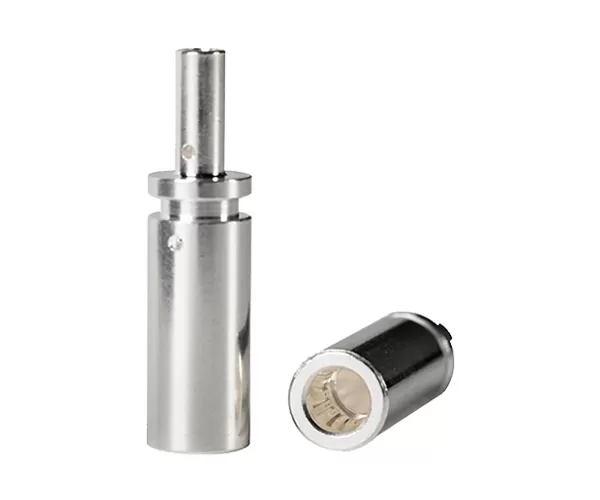
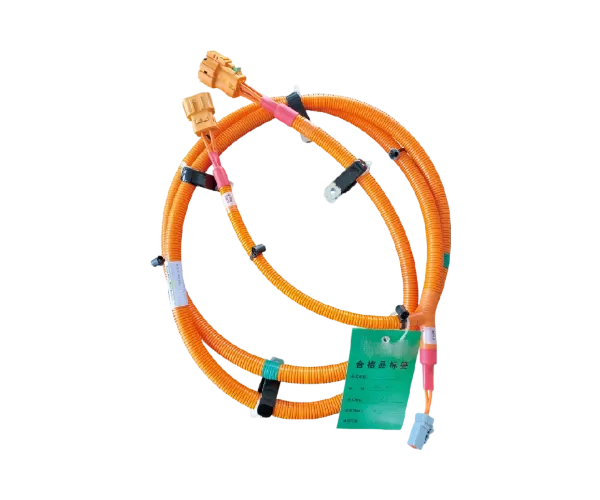
A reliable supplier should support the full charging system, including EV chargers, charging cables, sockets, adapters, electrical protection devices, connector pins, high-voltage wiring harnesses, control boards, and charging accessories. One-stop sourcing can reduce communication cost and improve project consistency.
Customization is also important for charger brands and distributors. Different markets may require different plug standards, cable lengths, enclosure designs, branding, packaging, power levels, and installation methods. A supplier with OEM/ODM capability can help buyers develop market-specific EV charging products faster.
AUPINS positions itself as a one-stop electric vehicle charging solutions manufacturer and EV charge component supplier. For buyers entering or expanding in the EV charging station market, this product coverage can support both standard product sourcing and customized project development.
The EV charging station market creates opportunities for charger brands, distributors, installers, property owners, fleet operators, and energy service providers.
For charger brands, the key opportunity is to develop products for home, commercial, fleet, and public charging scenarios. Distributors can serve installers, electrical contractors, hotels, parking operators, EV dealers, and charging network developers. Property owners can use EV charging as a value-added service to attract tenants and EV drivers.
Fleet and commercial charging are especially promising. Electric taxis, delivery vans, hotels, malls, business parks, airports, and gas stations all need safe, reliable, and easy-to-use charging equipment. In these scenarios, charger stability, connector durability, and technical support directly affect daily operation.
For businesses entering this market, the best strategy is to match charger type, power level, connector standard, installation method, and operating model to each use case.
The EV charging station market is expanding as electric vehicles become more common and charging infrastructure becomes a core part of transportation, real estate, retail, fleet, and energy projects. Strong market growth is creating demand not only for chargers, but also for reliable components, safe connectors, durable cables, control systems, and customized charging solutions.
For buyers, success in this market depends on choosing the right charging segment, matching products to real application scenarios, and working with suppliers that can provide stable quality, technical support, and flexible customization. AUPINS helps global buyers enter and grow in the EV charging station market with one-stop EV charging products and OEM/ODM solutions.
Yes. IEA data shows global public charging points exceeded 7 million by the end of 2025, driven by rising EV adoption and infrastructure investment.
Main types include AC chargers, DC fast chargers, portable EV chargers, wall-mounted chargers, public chargers, and fleet charging stations.
Fleet EV charging, public fast charging, workplace EV charging, hotel EV charging, and commercial parking charging have strong potential because they serve repeated charging demand.
A project may need EV chargers, cables, sockets, adapters, connectors, protection devices, control boards, wiring harnesses, and installation accessories.
AUPINS provides EV chargers, charging cables, electric vehicle charging adapter, EV sockets, protection devices, control boards, and OEM/ODM customization for charging station projects.
n e x t

 English
 Deutsch
 Español
 italiano
 русский
 português
 Svenska
 العربية
 Nederland
 norsk
norsk français