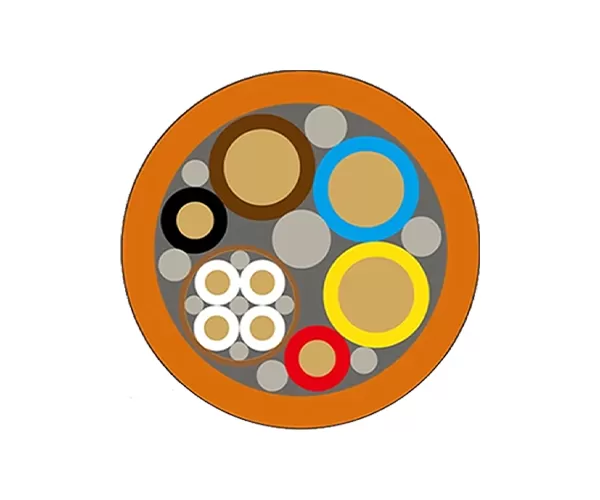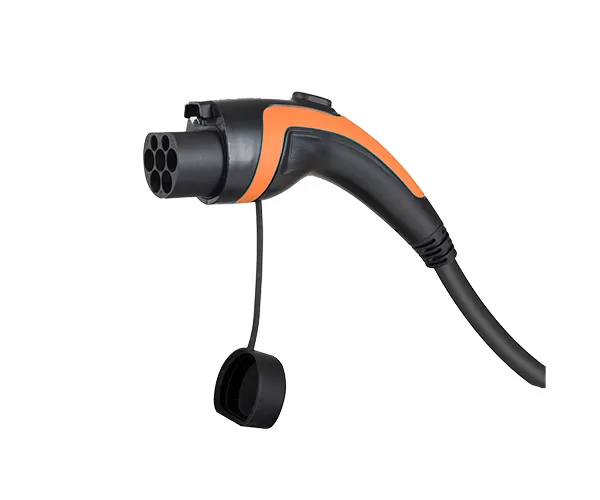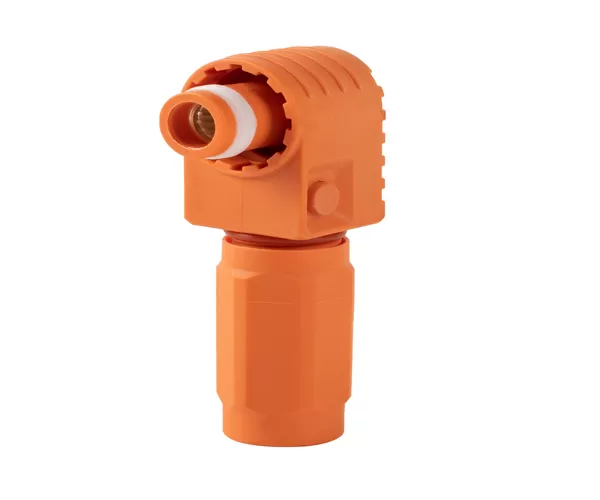
When it comes to purchasing wiring harness connectors, the multitude of options available can be overwhelming. This buyer's guide aims to demystify the world of wiring harness connector types, providing essential insights to help you make informed decisions and ensure that your connectivity needs are met.
The first step in choosing the right wiring harness connector is understanding your specific application. Different industries and systems require connectors with varying specifications. Whether you're working on an automotive project, home electronics, or industrial machinery, identifying the application sets the stage for selecting the appropriate wiring harness connector types.
For automotive applications, wiring harness connector types vary based on the specific components they connect. From sensors and lights to control units, understanding the requirements of your vehicle project ensures that you choose connectors capable of withstanding the unique conditions within an automobile.
Familiarize yourself with the terminology associated with wiring harness connector types. Terms like terminals, plugs, sockets, and housings play a crucial role in describing the components of a wiring harness connector. Understanding these terms will empower you to decipher product specifications and make informed choices.
In residential applications, the wiring harness connector facilitates the connection of various electrical devices. From simple terminal connectors for light fixtures to more complex plug configurations for appliances, the diversity of residential wiring harness connector types ensures compatibility with a range of household applications.
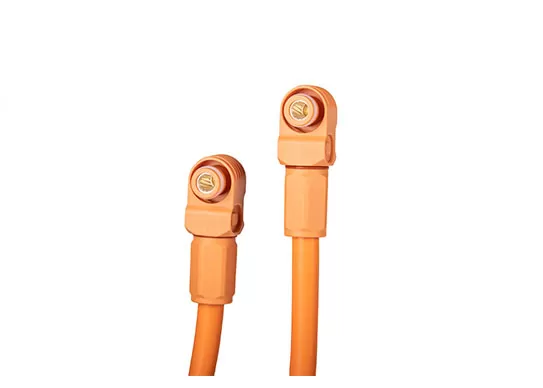
Different environments pose unique challenges to wiring harness connector types. Factors such as moisture, temperature, and exposure to chemicals can affect the performance and longevity of connectors. Assessing the environmental conditions in which your connectors will operate is crucial for selecting types with the appropriate protective features.
In industrial settings, where conditions can be harsh, the harness cable connector is engineered to withstand challenges. Connectors with features like corrosion resistance and IP ratings excel in environments where dust, moisture, and temperature variations are prevalent.
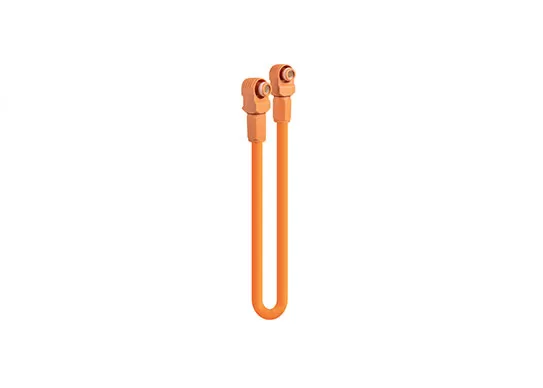
Consider wiring harness connector types that adhere to industry standards. Standardization ensures compatibility and interoperability, allowing connectors from different manufacturers to work seamlessly together. This is particularly important in scenarios where multiple components need to be integrated into a cohesive system.
As technology advances, high-tech wiring harness connector types are becoming prevalent. These connectors are designed to handle high-speed data transfer, complex signaling, and power distribution, making them suitable for modern electronics, telecommunications, and data transmission applications.
In conclusion, selecting the right wiring harness connector types requires a thoughtful consideration of your specific needs, an understanding of connector diversity, awareness of environmental challenges, and a focus on compatibility and interoperability. Whether you're working on an automotive project, setting up a home electrical system, or dealing with industrial machinery, the right wiring harness connector types are key to ensuring reliable and efficient connectivity. By leveraging the insights provided in this buyer's guide, you can confidently navigate the world of wiring harness connector types and make informed decisions that align with your application requirements.
1. What are the most common types of wiring harness connectors used in automotive applications?
Bullet connectors, deutsch connectors, AMP connectors, weather-pack connectors, molex connectors.
2. What are the key factors to consider when buying wiring harness connectors to ensure compatibility and reliability?
Connector type and size
Material quality and durability
Connector rating (voltage, current, and temperature)
Connector sealing for protection against moisture and dust
Compatibility with wire gauge and insulation type
Connector certification and standards compliance (e.g., UL, RoHS)
3. What are the advantages of using wiring harness connectors in automotive applications?
Improved Organization: Harness connectors help organize and bundle wires neatly, reducing clutter and improving the overall appearance of the vehicle's wiring system.
Diagnostic Capability: With connectors, individual components can be easily disconnected for diagnostic testing or troubleshooting, simplifying maintenance and repair tasks.
Standardization: Many automotive wiring harness connectors adhere to industry standards, ensuring compatibility across different vehicles and simplifying aftermarket upgrades or repairs.
 English
 Deutsch
 Español
 italiano
 русский
 português
 Svenska
 العربية
 Nederland
 norsk
norsk français