The connector is an important component of the wire harness, used to connect and protect the wire harness. To ensure the normal transmission of power and signals, the selection of the connector is crucial. This article introduces the selection considerations of wire harness connectors from electrical performance, mechanical performance, and environmental performance.
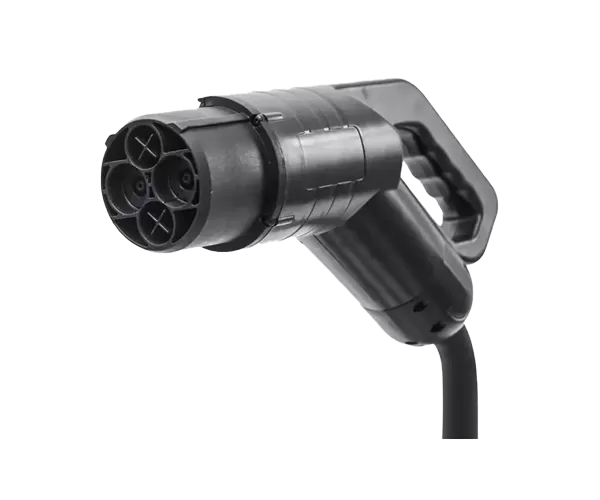
Automotive wire harness connectors are important components for connecting automotive electrical circuits. Their role is to connect various circuits in the vehicle's electrical circuit and provide a good way for current flow and signal transmission, and then achieve the normal and stable operation of the circuit. In the assembly of the vehicle, the connectors play a crucial role.
Due to the many connection points in the connectors, any problem in any point can cause very serious consequences, even causing traffic accidents. Therefore, the rational selection of connectors plays a crucial role in the design of automotive electrical circuits.
Connectors are components used to connect electrical circuits, so electrical performance should be considered first.
Electrical performance is mainly considered in terms of voltage, current, resistance and insulation.
The rated voltage refers to the operating voltage, which depends on the terminal spacing and insulation material. The maximum working voltage provided by connector manufacturers is generally 50V, while low-voltage connectors generally have a working voltage of 12V or 24V. High-voltage connectors suitable for new energy vehicles have a rated voltage of up to 600V. Besides, the rated current, which is generally slightly higher than the normal working voltage, is also important.
Generally, the rated current of the connectors is tested for its heat resistance performance at normal temperature. When the temperature exceeds the set value, it will cause electrical circuit failures. The product manual generally provides the rated current, which is the highest working current at normal temperature. For high-temperature working environments and multi-hole connectors, the selection can not be simply based on the rated current provided by the supplier. The connector should be determined according to the temperature-current curve of the connector to meet the working environment temperature of the connector and the required working current.
For multi-hole connectors, especially in the case of large currents, the connectors should be derated according to the number of holes in the wire harness connectors. In addition, from the perspective of contact resistance of the connector, for small signal circuits it is necessary to consider the contact resistance measured under low-level test conditions, and for small signal circuit connectors that normal tin-plated terminals cannot meet, precious metal plating such as silver or gold plating can be used.
Finally, in terms of the insulation performance of the connectors, it mainly refers to the insulation resistance and insulation dielectric strength, which can be obtained by measurement. The selection should be made based on the insulating materials used in the wire harness connectors and the working environment conditions.
n e x t


 English
 Deutsch
 Español
 italiano
 русский
 português
 Svenska
 العربية
 Nederland
 norsk
norsk français