

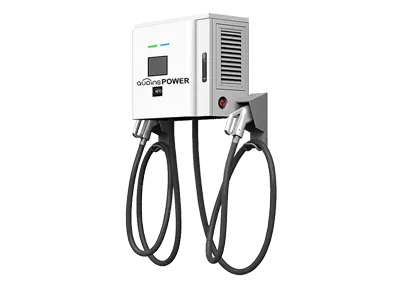
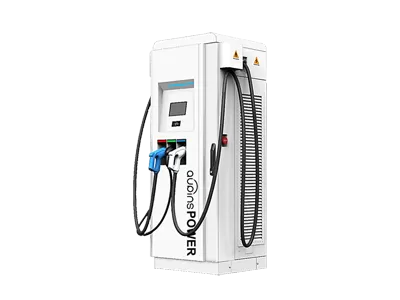
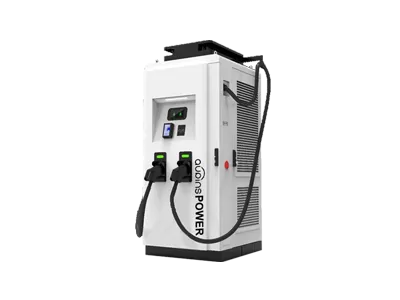
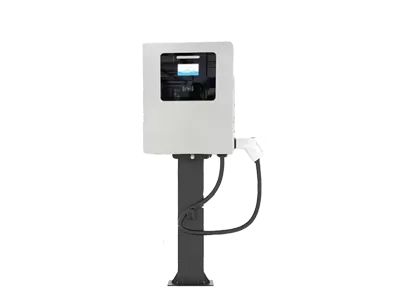
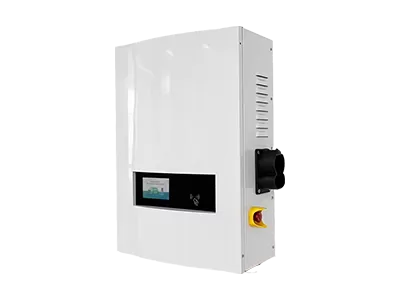
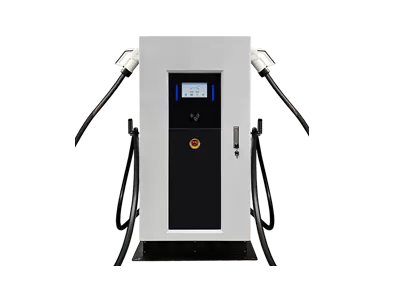
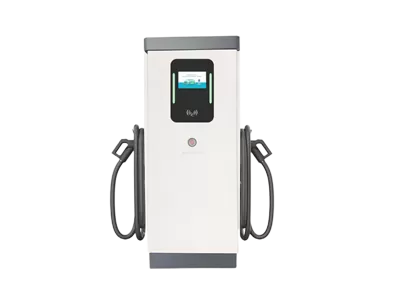
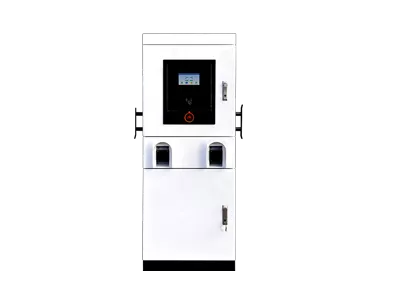
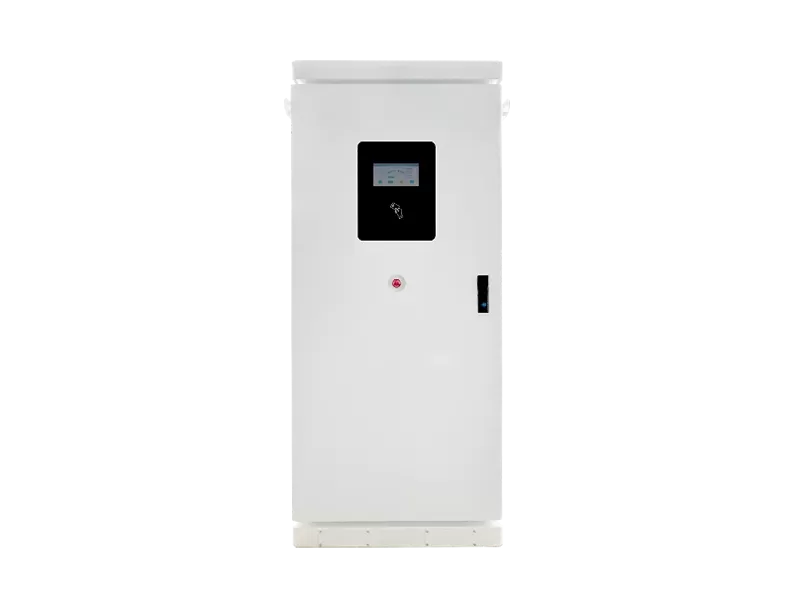
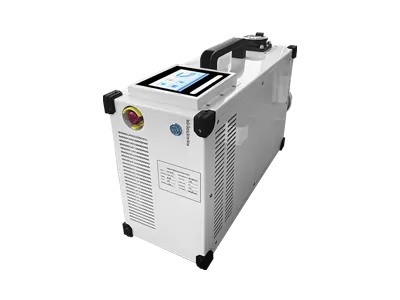
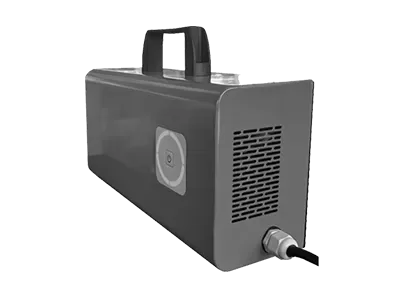
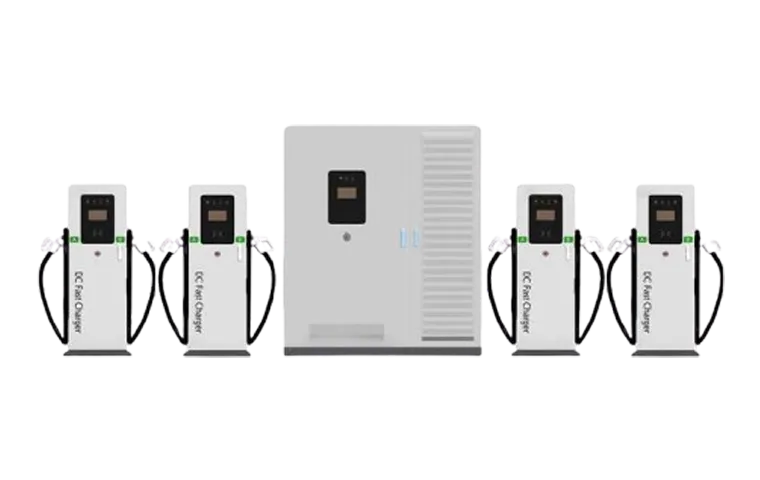
Selecting a DC fast charger requires matching its electrical output, installation format and operating features to the vehicles and charging location.
| Product or Series | Power Information | Installation or System Format | Key Selection Considerations |
| EF040 Series | Up to 40kW | Wall-mounted or pedestal-mounted | Available space, vehicle interface and required output |
| EF160 Series | Model-specific configurations | Floor-standing | Confirmed power option, output range and connector arrangement |
| EF400 Series | 360kW / 400kW configurations | Floor-standing | Site capacity, output voltage and current, and power sharing |
| Distributed DC Charging System | Configuration dependent | Power equipment with charging terminals | Total power, terminal layout and simultaneous charging demand |
Review the available electrical supply before choosing a charger. Include the intended number of charging points, expected simultaneous use and daily energy demand.
The charger's installation requirements should be checked against the site's electrical design, protection equipment and operating conditions.
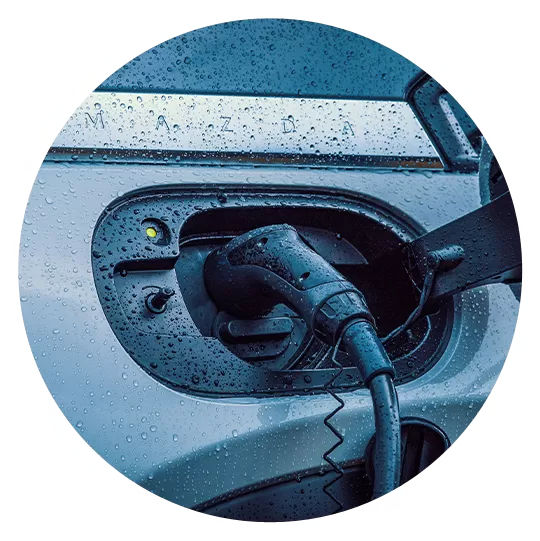
Specify the vehicle charging interface and the electrical requirements of the vehicles being served.
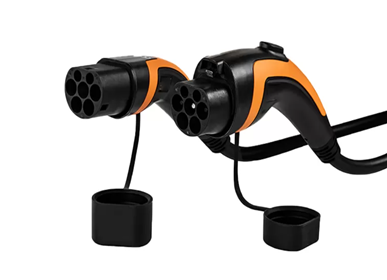
Connector options differ by model and configuration. A matching connector does not by itself establish compatibility with every vehicle voltage platform or charging requirement.
For equipment with multiple connectors, confirm how many vehicles can charge at the same time and how power is distributed.
Distinguish the total charger rating from the maximum output of each connector. Request the applicable operating limits for the proposed configuration.
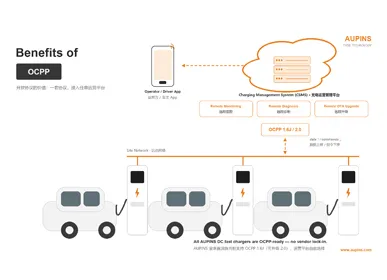
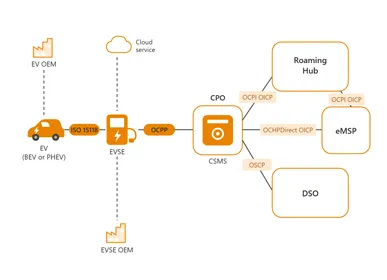
Identify the required backend connection, communication protocol, user authentication and payment functions.
Confirm the supported protocol version and available integration options for the selected model. Network interfaces, payment terminals and related functions should be specified in the quotation.


Procurement decisions should be based on the selected charger configuration, applicable technical documents and agreed integration requirements.
Discuss power requirements, vehicle connectors, cable arrangement, network connectivity, payment options and branding. AUPINS can review these requirements against the available models. Explore our OEM/ODM project process for an overview of requirement review, development, sampling and production.
Request model-specific specifications, mechanical dimensions, installation requirements and available test or certification documents.
Check that the documents apply to the equipment and configuration being quoted. For an overview of AUPINS’ approach, learn more about our engineering and inspection capabilities.
For projects involving a charging backend or specific vehicle requirements, agree on the communication interfaces, evaluation scope and configuration before procurement.







AC charging uses the vehicle's on-board charger to convert AC power into DC. DC charging equipment performs the conversion outside the vehicle and supplies controlled DC power to a compatible battery system.
Consider the vehicles, daily energy demand, parking duration and available site capacity. Also review how many vehicles will charge simultaneously and how power will be allocated.
Connector options depend on the model and destination market. Provide the required vehicle interface and check electrical output and communication compatibility before ordering.
This depends on the equipment configuration. Confirm the number of active outputs, maximum power per connector and power-sharing rules. Multiple connectors do not automatically provide full rated power to every vehicle at once.
OEM requirements can be reviewed for branding, cables, interface language and other configuration details. Availability depends on the selected product, technical feasibility and project requirements.
Provide the target country, application, vehicle types, available site power, required charging points and estimated quantity. Include connector, backend, payment and branding requirements where applicable.
 English
 Deutsch
 Español
 italiano
 русский
 português
 Svenska
 العربية
 Nederland
 norsk
 français