
Contact Us
EV On-board Charger Manufacturer
PRODUCTS

Explore Our Types of EV On-board Chargers

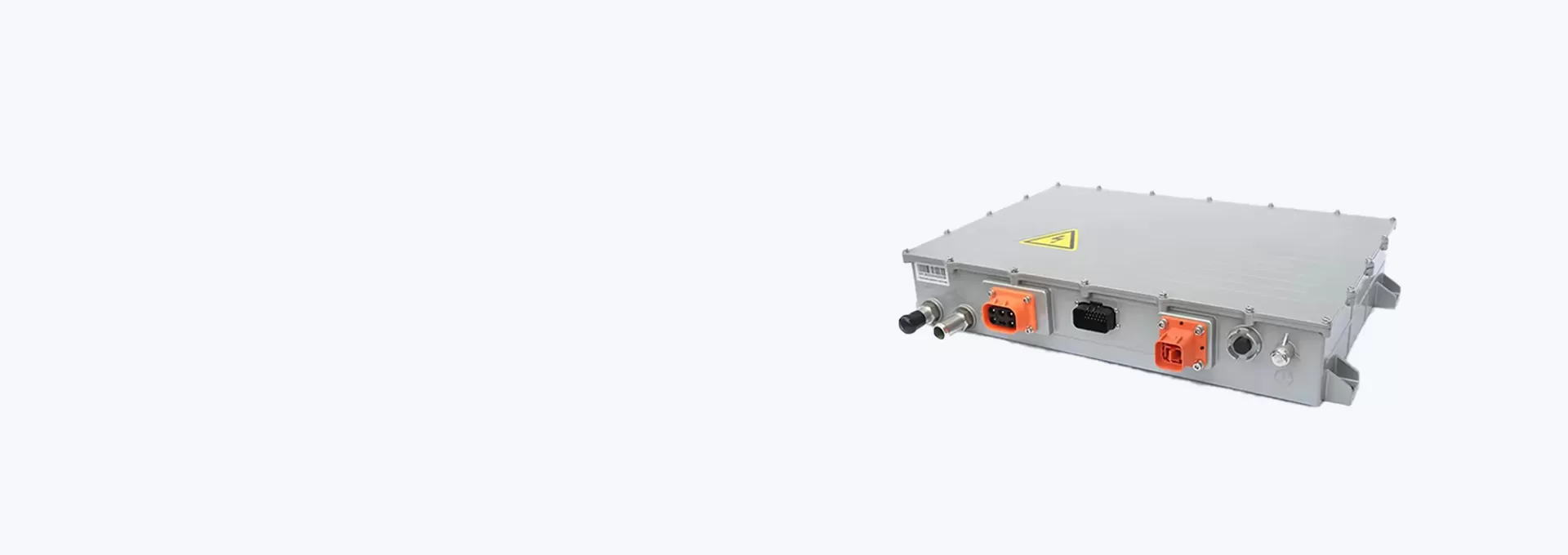
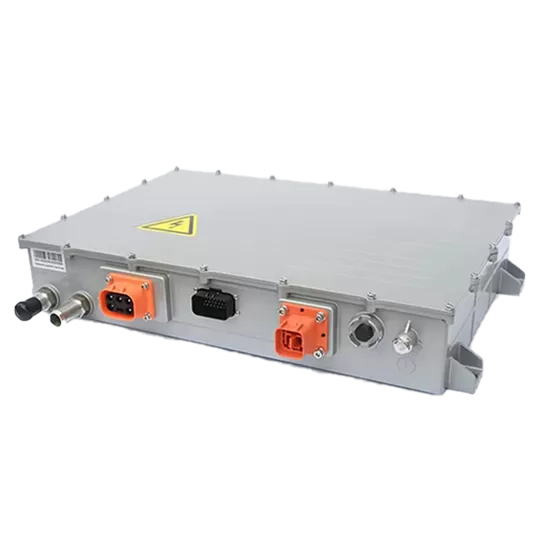
AUPINS supplies EV on-board charger assemblies for vehicle manufacturers and system integrators, with 2kW, 3.3kW, 6.6kW and 20kW models available. An on-board charger converts AC electrical power into DC power for charging the vehicle’s traction battery. Selecting the right model requires matching its output characteristics, communication interface, cooling method and installation dimensions to the vehicle platform. Explore our on-board charger range below, or share your project requirements with AUPINS for model selection and customization discussions.
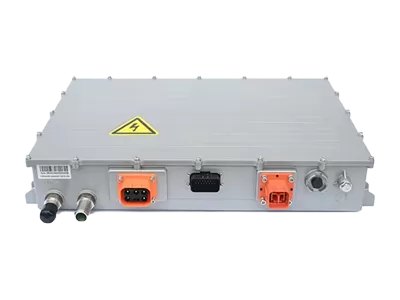
2KW On-board Charger Assembly
The AUPINS 2kW vehicle charger assembly uses fully digital control and high-performance silicon carbide (SiC) devices, featuring intelligent operation, robust protection functions, and excellent system stability.
Explore More
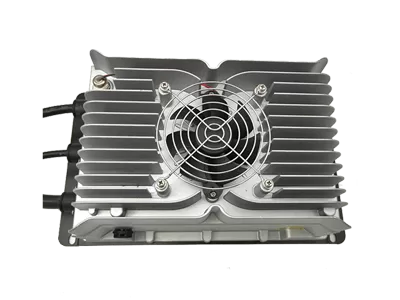
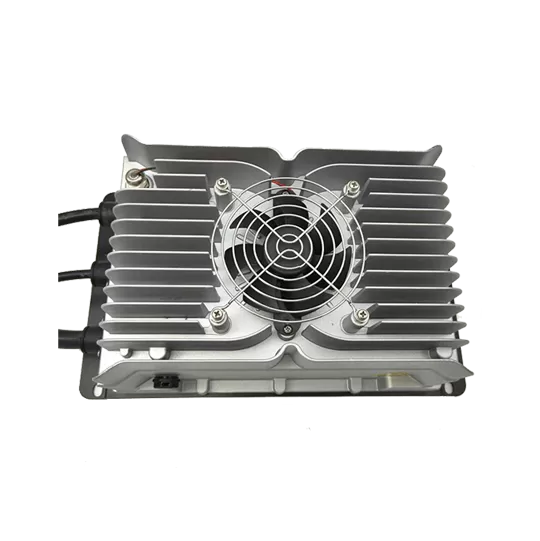
3.3KW On-board Charger Assembly
The AUPINS 3.3kW on-board charger kit is designed for pure electric vehicles, including A0/A00 class passenger cars, logistics vehicles, special vehicles, and converted electric vehicles.
Explore More
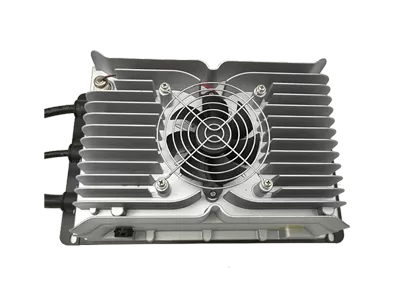
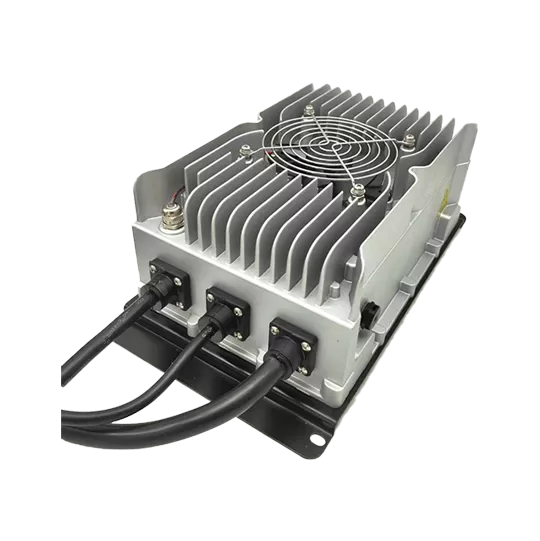
6.6KW On-board Charger Assembly
The AUPINS 6.6kW on-board charger assembly is a high-performance, intelligent, and versatile charging solution developed specifically for A+ class pure electric passenger vehicles and commercial electric vehicles.
Explore More
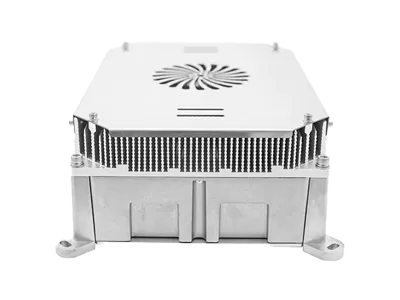
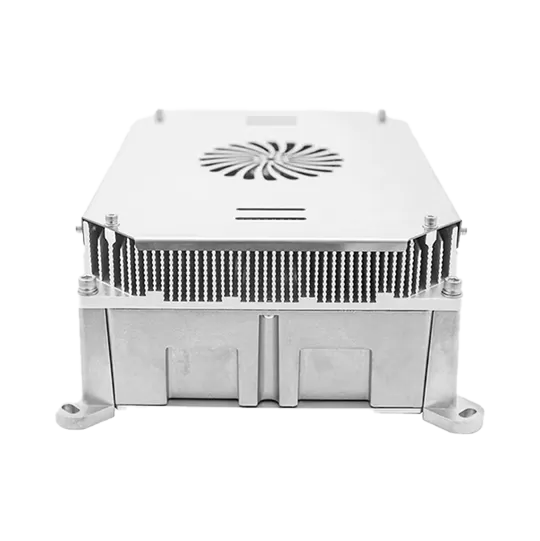
20KW On-board Charger Assembly
AUPINS 20kW on-board charger assembly is designed specifically for new lithium-ion electric logistics vehicles, buses, construction machinery, and other new energy vehicle models.
Explore More
advantage

Why Choose Our EV on Board Charger?

High-Efficiency Conversion
Safe and Durable
Intelligent Communication
Wide Compatibility
Why Choose Our EV on Board Charger?

AUPINS On-Board Chargers (OBCs) offer a wide power range from 2kW to 20kW, adapting to the needs of various vehicle models.

Designed and tested strictly according to automotive-grade standards, they feature multiple protections against overvoltage, overcurrent, and overtemperature.

Integrated with an intelligent BMS communication protocol, they can precisely manage the charging process, monitor battery status in real time, effectively protect battery health, and extend its lifespan.

Compatible with mainstream international standards, they can flexibly adapt to the platform requirements of various pure electric and plug-in hybrid vehicle models.

Compare AUPINS EV On-Board Charger Models

The AUPINS on-board charger range provides different power levels and mechanical configurations for electric vehicle charging integration.

On-Board Charger ModelRated Output PowerCooling MethodCommunication
2kW On-Board Charger Assembly2,000WForced-air coolingCAN
3.3kW On-Board Charger Assembly3,300WForced-air coolingCAN
6.6kW On-Board Charger Assembly6,600WForced-air coolingCAN
20kW On-Board Charger Assembly20,000WLiquid coolingCAN

Power rating is one part of OBC selection. Before choosing a model, review its input requirements, battery-side output range, control requirements and installation conditions.

Compliance of AUPINS EV on Board Charger with Global Standards
Standards

Compliance of AUPINS EV on Board Charger with Global Standards

Our on-board chargers have obtained international certifications including CE, UKCA, UL, and TÜV, ensuring global compliance. We also meet China's CCC standards for domestic market access. Should you require any specific certification support, please feel free to contact us for customized solutions.


wire terminal clip
wire plug 3 pin
wire pins for wall
wire pins
advantage

How to Select an Onboard Charger for Your EV Platform

Match the Battery Voltage and Charging Requirements
Check the Available AC Input
Review CAN Communication and Control
Allow for Cooling and Installation Space
How to Select an Onboard Charger for Your EV Platform

Check the battery's operating voltage range and permitted charging current against the selected charger's output specifications. Rated power alone does not establish compatibility with a battery pack. Provide the battery voltage range, target charging power and relevant charging limits when discussing your project with AUPINS.


Confirm the supply voltage, frequency, phase configuration and available input current. These conditions affect model selection and the charging power available in the intended application. Use the electrical specifications for the selected model when planning the vehicle’s charging system.


The OBC must exchange the required commands and operating information with the vehicle control system or battery management system.

Review CAN message definitions, charging enable conditions, fault handling and control responsibilities during integration. A shared CAN interface does not by itself establish protocol compatibility.


Compare the charger's dimensions, mounting arrangement, connector access and cooling requirements with the vehicle layout.

Forced-air-cooled models require suitable airflow. Liquid-cooled models require a compatible cooling circuit and operating conditions appropriate to the selected charger.


On-Board Charger Technical Documents and Validation

On-Board Charger Technical Documents and Validation

Technical documentation helps buyers assess whether an on-board charger meets the electrical, mechanical and operating requirements of a vehicle platform.


Request the applicable model information for your review, including electrical specifications, mechanical dimensions, connection details, communication requirements and operating conditions.


For certification or test-document requirements, specify the intended market and application. Confirm that each document applies to the selected model and configuration.


During evaluation, check the charger's operation with the intended battery system and controller. Relevant checks include charging control, communication, fault response, thermal conditions and installation compatibility.


Get OBC Catalog

OEM On-Board Charger Integration and Customization

OEM on-board charger integration involves coordinating electrical, communication, mechanical and thermal requirements with the vehicle platform.


AUPINS can discuss customized OBC requirements involving electrical configuration, installation layout and communication integration. The available scope depends on the selected model and project requirements. For an overview of how AUPINS handles requirement discussions, design, sampling and production, explore our OEM/ODM development process. The customization scope for your on-board charger should be reviewed against the selected model and vehicle requirements.


To start a technical discussion, provide:

  • Vehicle type and intended application.

  • Battery operating voltage range and charging limits.

  • Target charging power and available AC supply.

  • BMS or vehicle controller communication requirements.

  • Installation space and preferred cooling arrangement.

  • Target market, development stage and estimated quantity.


This information helps identify a suitable starting model and the integration questions that need to be resolved before procurement.

For projects requiring a sample, discuss the applicable configuration and evaluation requirements with AUPINS before arranging testing.


FAQS

FAQs of EV on Board Charger

What is the power range of your On-Board Charger (OBC)?

We offer a complete power range from 2kW, 3.3kW, 6.6kW to 20kW, comprehensively covering the charging needs of various vehicles, from hybrid to high-performance pure electric vehicles.

Which vehicle types or application areas are they primarily suitable for?

Suitable for pure electric vehicles (EVs) and plug-in hybrid electric vehicles (PHEVs), mainly used in pre-installation in vehicle manufacturing, aftermarket upgrades, and modification of special vehicles (such as logistics vehicles and engineering vehicles).

How are the product safety and durability guaranteed?

Designed in strict accordance with automotive-grade safety standards, with multiple built-in electrical protections, and employing highly reliable components and potting processes to ensure long-term stable operation under complex environments such as vehicle vibration and temperature changes.

How are the OBC's communication and battery management functions?

Integrated intelligent communication protocols enable precise collaboration with the vehicle's Battery Management System (BMS) to achieve safe and efficient charging process management and battery status monitoring, helping to extend battery life.

Does it have a high protection rating?

Yes. As an in-vehicle component, its design features excellent dustproof, moisture-proof, and shock-resistant performance, meeting the vehicle's reliability requirements for components under harsh conditions.

Does it support customized development?

Yes. We can provide customized OBC solutions based on the specific needs of customer vehicle models, such as electrical platform, spatial layout, voltage, and communication protocols.

Can you provide OBC samples for evaluation before series production?

Samples can be arranged for the selected model and configuration. Discuss the evaluation scope, test conditions and target schedule with AUPINS so the sample matches the intended vehicle platform.


Which battery voltage range can the charger work with?

The applicable input and output range depends on the selected model. Provide the battery operating voltage range and charging limits so the matching configuration can be confirmed.


What is the typical lead time for OEM projects?

Lead time depends on the selected model, customization scope and order quantity. The schedule for samples and series production is confirmed at quotation stage.


Can you share CAN communication information for integration?

CAN message definitions and control requirements are reviewed per project. Specify the vehicle controller or BMS interface so the applicable communication information can be confirmed.


How does the charger handle overheating and fault conditions?

Cooling method and protection behaviour depend on the selected model. Review the operating conditions and fault handling requirements for the intended application against the model documentation.


Do you offer OEM branding or custom housing?

Customization can be discussed for electrical configuration, installation layout, communication integration and branding. The available scope depends on the selected model and project volume.


What site power is required for a 400kW OBC charger?

The requirement depends on the selected configuration and the site electrical design. Review the available supply capacity, protection equipment and expected simultaneous charging demand before selecting the model.


What is the minimum order quantity for OEM projects?

MOQ depends on the model and customization scope. Confirm the configuration and target quantity with AUPINS for an applicable quotation.


Which on-board charger power options does AUPINS offer?

The range includes 2kW, 3.3kW, 6.6kW and 20kW assemblies. Select a model based on battery compatibility, input supply, communication requirements, cooling and installation conditions.

How do I match an OBC to my battery pack?

Compare the battery's operating voltage range and charging limits with the charger's output specifications. Also review the required control interface and charging strategy.


Can the charger communicate with my BMS?

The listed models use CAN communication. Compatibility with a particular BMS depends on message definitions, control requirements and system integration, which should be reviewed for the project.


What cooling options are available?

The listed 2kW, 3.3kW and 6.6kW assemblies use forced-air cooling, while the 20kW assembly uses liquid cooling. Confirm the installation and cooling requirements for the selected configuration.


What information should I provide for an OEM inquiry?

Provide the vehicle application, battery voltage range, target charging power, available AC supply, communication requirements, installation space, cooling conditions, target market and estimated quantity.
AUPINS: One-Stop Electric Vehicle Charging Solutions Manufacturer
1111, 11th Floor, Shanchuang Cultural Business Building, Yuhuatai District, Nanjing City, Jiangsu Province, China
AUPINS: One-Stop Electric Vehicle Charging Solutions Manufacturer
News
AUPINS Inspirations & Updates
DC Fast Charger Total Cost of Ownership: Purchase Price, Energy Efficiency, Maintenance, and Long-Term Costs
Nov 20, 2026
DC Fast Charger Total Cost of Ownership: Purchase Price, Energy Efficiency, Maintenance, and Long-Term Costs
Purchasing a DC fast charger is a significant investment for charging station operators, fleet managers, and commercial property developers. However, the initial equipment price represents only one pa...
Commercial DC Fast EV Charger Specifications: A Buyer's Checklist
Nov 18, 2026
Commercial DC Fast EV Charger Specifications: A Buyer's Checklist
Choosing a commercial DC fast EV charger requires more than comparing rated power outputs. Voltage range, maximum current, conversion efficiency, power factor, protection ratings, and electrical safet...
Passing ISO 15118 Conformance Testing: Six Things EVCC/SECC Boards Get Wrong
Nov 16, 2026
Passing ISO 15118 Conformance Testing: Six Things EVCC/SECC Boards Get Wrong
ISO 15118 conformance testing has a reputation for being brutal. In practice, most failures do not come from misunderstanding the protocol. They come from six implementation details that only surface ...
+86-18512525557
felixxu@aupins.com
1111, 11th Floor, Shanchuang Cultural Business Building, Yuhuatai District, Nanjing City, Jiangsu Province, China
Contact Us
felixxu@aupins.com
1111, 11th Floor, Shanchuang Cultural Business Building, Yuhuatai District, Nanjing City, Jiangsu Province, China
We use cookies on this site, including third party cookies, to delivery experiennce for you.
Accept Cookies
Read Privacy Policy
×