The operational life of a Current Circuit Breaker is highly variable and depends on a mix of design quality, environmental conditions, and operational stress. While a standard residential breaker might last 30-40 years, industrial and high-use breakers have a more complex lifespan determined by:
Operational Cycles (Switching):
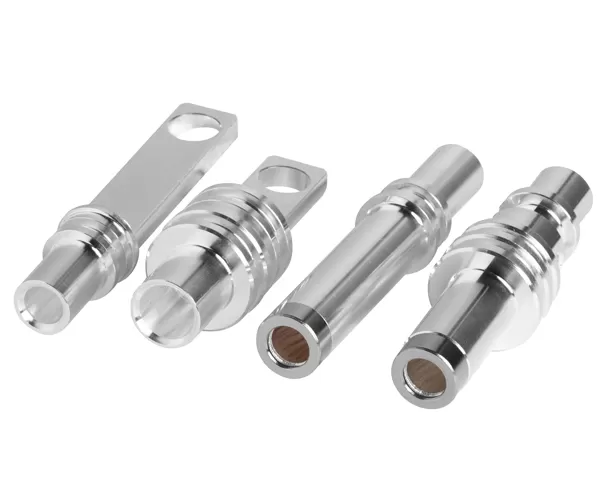
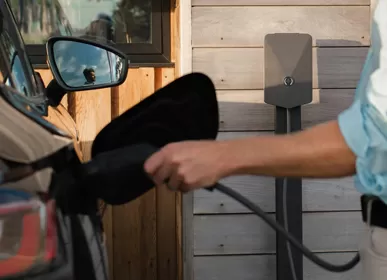
Frequent manual or automatic opening and closing of the breaker causes mechanical wear on moving parts and electrical arcing on contacts, reducing its lifespan. Similar attention to contact condition is also important for conductive components such as different types of charger pins, where reliable electrical contact is essential. Breakers rated for many thousands of operations will inherently last longer.
Trip Events: Each time a breaker trips, it experiences significant electrical stress. Although they are designed to handle faults, frequent trips accelerate contact degradation and compromise the calibration of the tripping mechanism.
Environmental Conditions: Exposure to excessive heat, humidity, dust, or corrosive chemicals can degrade internal materials, weaken springs, and increase electrical resistance, drastically shortening the effective life of the device.
Proactive maintenance is the single most effective way to extend the lifespan and ensure the reliable function of your Current Circuit Breaker as a circuit protection device. For industrial and critical applications, AUPINS recommends establishing a rigorous inspection schedule:
Visual Checks: Regularly inspect the breaker housing for physical damage, discoloration (indicating overheating), and corrosion. Ensure mounting is secure and connections are tight.
Functional Testing: Periodically test the trip mechanism to confirm the device operates within its specified time-current curve. This ensures it will trip when required.
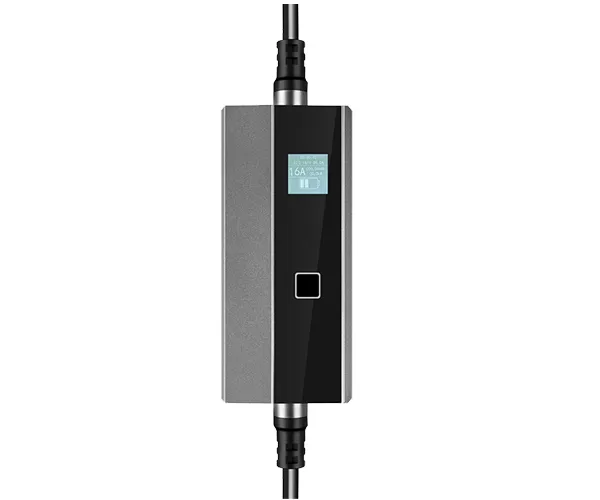
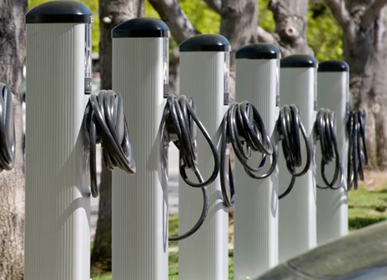
Thermal Scanning: Use infrared thermography to detect abnormal heat spots at the terminals. High heat indicates a loose connection or excessive internal resistance, a common precursor to failure in high-current electrical connections, including those used in different types of ev connectors.
Consistent maintenance helps verify that the breaker's performance has not drifted from its factory calibration.
Ignoring the signs of a deteriorating Current Circuit Breaker can lead to system failures, costly repairs, and significant safety hazards. While age is a factor, operational symptoms are more reliable indicators that replacement is necessary:
Frequent or Nuisance Tripping: If a breaker trips without an obvious overload or fault, the thermal or magnetic tripping mechanism may be failing due to age or calibration drift.
Heat and Smell: Consistent warmth, a burning smell, or visible smoke near the breaker panel are severe warning signs of a failing connection or internal arcing.
Visible Damage: Pitting or erosion on the contacts, cracked housings, or difficulty in manually resetting the breaker all signal compromised integrity.
If these signs appear, immediate replacement is the safest and most economical course of action.
The lifespan of a Current Circuit Breaker is not a fixed number but a variable sustained by quality manufacturing and diligent care. While general-purpose breakers may function for decades, critical devices require focused attention. By implementing proactive maintenance, monitoring for signs of operational stress, and trusting AUPINS for reliable replacement components, you ensure your electrical safety system remains robust and responsive for its maximum possible service life.
 English
 Deutsch
 Español
 italiano
 русский
 português
 Svenska
 العربية
 Nederland
 norsk
norsk français