J1772 standard regulates the size, shape, color and electrical parameters of the charging interface of electric vehicles, making electric vehicles of different models and different manufacturers compatible with each other, and basic charging facilities such as standard charging piles can be widely laid. CCS charging is the integration of AC and DC charging interfaces, which not only provides a more flexible charging option for electric vehicles, but also effectively solves the problem of interoperability and convenience of electric vehicle charging worldwide.
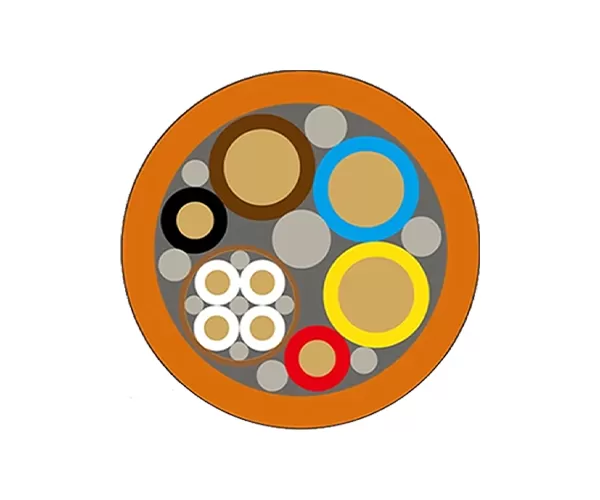
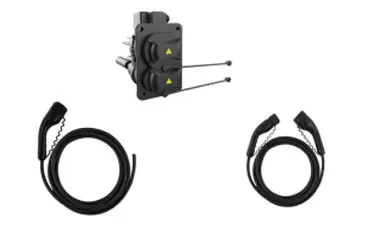
Vehicle charging gun interface standard is developed by the American National Standards Institute (SAE). It regulates the communication protocol for AC (AC) charging guns, the shape of the socket and the charging of electric vehicles. The appearance of the charging gun is similar to the traditional fuel gun, including a plug and socket, the plug with a buckle for fixing the socket, the J1772 wiring diagram is 5 metal terminals crimped the cable, the 5 terminals include 2 LN terminals responsible for transmitting power, 2 control signal PP, CP terminals and a ground terminal PE. The socket is installed on the electric vehicle to receive the plug of the charging gun.
As one of the widely adopted sae ev charging standards, SAE J1772 has had an important impact on the electric vehicle industry by enhancing compatibility between different manufacturers, improving charging convenience, supporting the construction of basic charging infrastructure, and promoting the development of the electric vehicle industry.
CCS charging standard is a charging standard that integrates AC and DC currents, mainly to make an interface meet a variety of charging scenarios and improve the adaptability of the charging interface of new energy vehicles. Its essence is a combination integration. When selecting the charging connector, we must first understand what kind of charging protocol of our new energy vehicle is, such as SAE J1772 combo or IEC 62196. After determining the protocol standard, the performance of the charging linker should be fully considered, such as whether it can adapt to the outdoor temperature difference, waterproof performance of outdoor use, rolling resistance, etc. After the basic performance is satisfied, the user's comfort should be considered, such as weight and holding comfort.
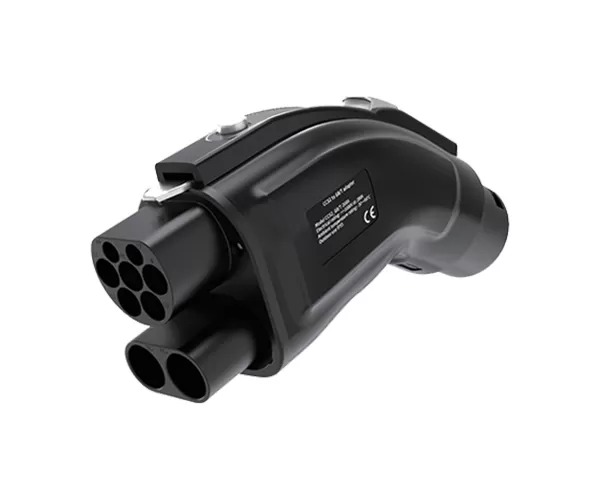
The main difference between J1772 and CCS is the charging speed and charging method. The J1772 is suitable for low-power AC charging, and is more suitable for home charging scenarios. The Combined Charging System includes CCS1 and CCS2 configurations. The CCS1 connector combines J1772 AC charging with the corresponding DC charging terminals, while the ccs2 connector combines the IEC 62196 Type 2 AC interface with the corresponding DC charging terminals. This supports higher charging speeds and provides more charging equipment options, making EV charging more convenient and efficient.
According to the J1772 standard, the maximum charging power is usually limited to 20kw, the use of 208 to 240 volts of AC, J1772 charging speed is slow, generally up to several hours; CCS supports direct current (DC) fast charging, charging power is much higher than J1772, the maximum charging power can reach 350KW or more。Using a few high-powered CCS2 plug, electric cars could potentially boost their range by hundreds of kilometers in 20 to 30 minutes.
In terms of charging gun structure, the J1772 connector, a standard ev charger plug for AC charging in North America, is smaller overall, because it has only 5 terminals, including 2 LN terminals responsible for transmitting power, 2 control signal PP, CP terminals and a ground terminal PE. CCS adds two DC terminals on the basis of AC charging, so the volume is larger and the number of terminals is more. The difference between CCS1 and CCS2 is that one of the AC charging parts adopts the J1772 standard, while the other adopts the IEC 62196 standard.
| Charging connector comparison | |||
| Connector type | Standard | Scope of application | Main feature |
| J1772 | SAE J1772 | Ac charging in North America | 1. Good compatibility, widely used in the North American market. 2. The plug contains 5 metal contact points for transmitting power, control signals and ground wires. 3. Support communication protocol functions such as handshake, power control and error detection. |
| CCS (Combined Charging System) | SAE/IEC | Worldwide, integrated AC and DC charging | 1. Integrates J1772 standard and DC fast charging standard. 2. The plug adds two DC charging contact points to support DC fast charging. 3. Compatible with J1772 socket, more flexible charging options." |
| IEC 62196 Type 1 | IEC 62196 | European region AC charging | 1. The contact definition is similar to J1772 and applies to the European market. 2. It is widely used in domestic and public charging stations in Europe. |
| IEC 62196 Type 2 | IEC 62196 | Ac charging in Europe, some support three-phase charging | 1. It is widely used in areas supporting three-phase power in Europe 2. Higher charging power, faster charging speed. |
| CHAdeMO | CHAdeMO | Japan and some other countries DC charging | 1. Application with Japan and some other countries. 2. Only DC fast charging standard, fast charging speed. |
The emergence of J1772 and CCS standards have standardized new energy vehicle charging standards, promoting the overall development of the new energy vehicle industry, in general, J1772 is more suitable for low-power, long-term home charging scenarios, while CCS is more suitable for the need for fast charging, can reduce the charging waiting time.
 English
 Deutsch
 Español
 italiano
 русский
 português
 Svenska
 العربية
 Nederland
 norsk
norsk français