High-current wire connectors are essential for applications such as power equipment, battery storage systems, and semiconductor manufacturing equipment. When choosing a high-current connector, consider the following factors to ensure it is suitable for your application.
The first important step in choosing the right high-current wire connector is to determine the current and voltage requirements each contact point will need to handle. The size of the wire and contact points determines its current load capacity, while the contact spacing and insulation material determine the rated voltage. Make sure the contact points support the conductor size to avoid overheating issues.
Understanding how manufacturers specify the rated current and operating voltage for their products is critical. Testing standards and data should be referenced from the manufacturer's specification as not every company uses the same testing standards. When looking at the current rating value, check the temperature rise specification for the high-current wire connector because it will indicate how much heat will be dissipated at a specific current value.
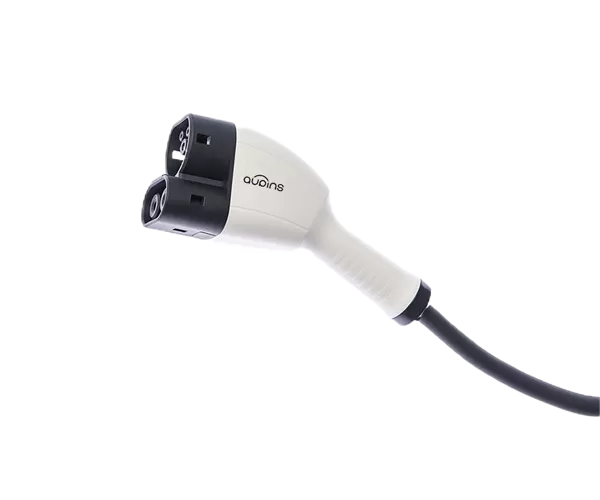
There are many terminal types available such as soldered contact points which prevent dust and moisture from entering, while others are compression terminals that are easy to repair on site. The design and selection of an electrical connector pin can also affect current-carrying performance and connection reliability in high-current applications. Compression terminals, wire-wound connections, direct connections, and loop or eyelet connections can be selected according to application requirements, including those involving different types of charger pins. The terminal type needed also depends on the cable size and type, and the voltage and current levels provided.
Environmental factors including humidity, temperature, vibration, and shock will be factors in the selection process of high-current wire connectors, including those used in different types of ev connectors, as well as the type of housing needed to protect the connections and keep the electrical contacts free from environmental damage and short circuits. Understanding which mechanical factors may be important in your specific application is also essential.
The price of high-current wire connectors is not only dependent on the hardware but also on the labor required for assembly (connecting wires to terminals and inserting them into the housing) and maintenance. Most manufacturers also provide a range of tools and equipment such as crimpers and disassembly tools for repairing damaged or replacement connectors.
Aupins is committed to building four major product lines in metal processing products, charging connectors, energy storage connectors, and custom cable harnesses in clean energy industry. Welcome to inquire.
 English
 Deutsch
 Español
 italiano
 русский
 português
 Svenska
 العربية
 Nederland
 norsk
 français