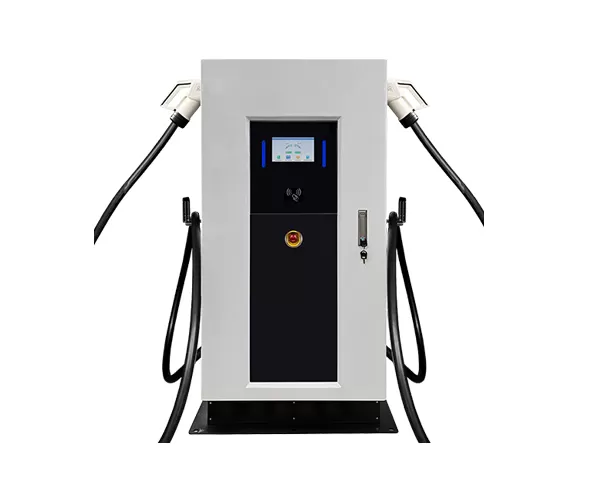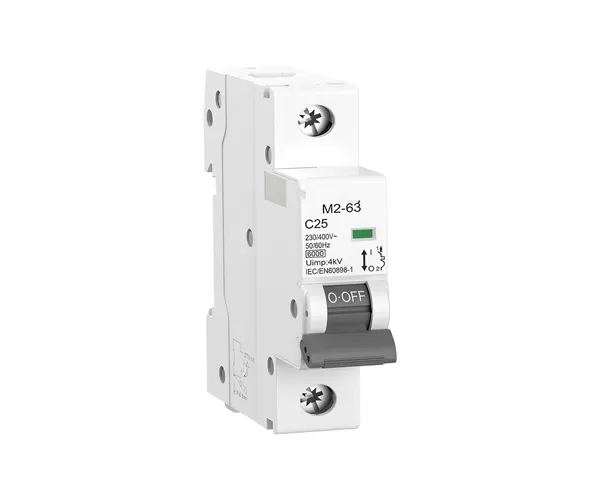
The DC/AC charging gun is a device used to charge electric vehicles or hybrid vehicles. It has high charging efficiency and fast charging speed, which can meet the needs of electric vehicles to complete charging in a short time. However, if the DC/AC charging gun is not returned after use, it will cause a series of adverse effects.
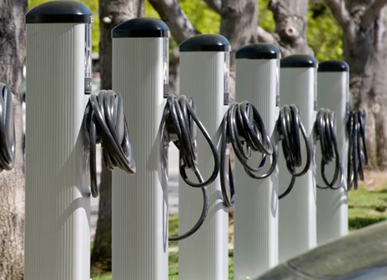
If the DC/AC charging gun is not returned, the charging interface may be exposed, increasing the risk of electric shock. Especially when the DC/AC charging gun is placed on the ground or crushed by a car, the wire may be damaged and exposed, thereby increasing the possibility of electric shock.
If the DC/AC charging gun is not returned, it may also cause waste of resources and damage to the charging pile. The phenomenon of occupying the position but not charging will waste the use of the charging pile and affect the normal charging needs of other car owners. In addition, the DC/AC charging gun that has not been returned for a long time may also be eroded by environmental factors, such as rain erosion and vehicle crushing, which will accelerate its damage and scrapping.
If the DC/AC charging gun is not returned, it will also affect the management and maintenance of the charging station. The random placement of the charging gun will increase the difficulty of charging station management, increase maintenance costs, and reduce the operating efficiency of the charging station.
Therefore, in order to avoid these adverse effects, car owners should return the DC/AC charging gun to its correct position after using it. This is not only responsible for their own safety, but also respect for others and social resources. At the same time, charging stations should also strengthen management and supervision to ensure the standardized use of charging guns and improve the utilization efficiency and safety of charging piles.

 English
 Deutsch
 Español
 italiano
 русский
 português
 Svenska
 العربية
 Nederland
 norsk
norsk français