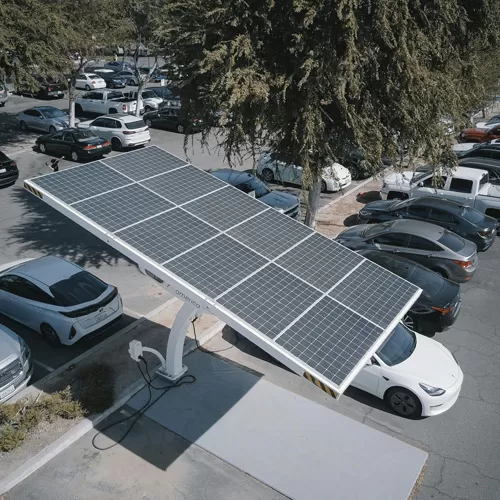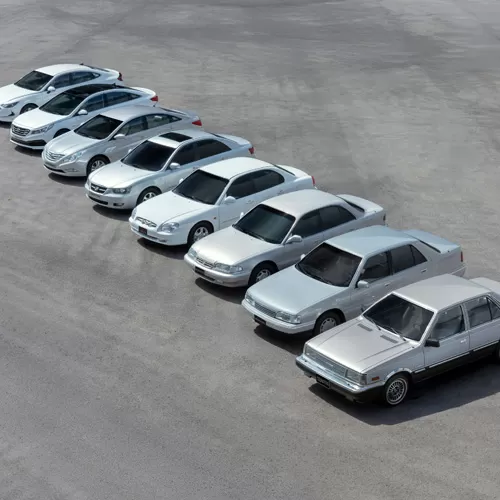
Designed specifically for group vehicles such as buses, logistics vehicles, and taxis, it is a core infrastructure for operational electrification. Typically, centralized, dedicated charging stations are built, employing high-power DC fast charging or customized solutions (such as rooftop charging for buses). The core requirements are reliability, efficiency, and low cost. This necessitates the use of intelligent scheduling and energy management platforms to utilize off-peak electricity for orderly charging, and considers future V2G (vehicle-to-grid) potential to maximize operational efficiency.
AUPINS provides fleet EV charging solutions for electric buses, taxis, ride-hailing vehicles, logistics fleets, delivery vans, service vehicles and other commercial fleets.
For fleet operators, charging is not just about installing EV chargers. A reliable fleet charging system must help vehicles return to service quickly, reduce downtime, manage charging costs and support daily operation.
A complete EV fleet charging solution can include:
DC fast chargers and high-power charging stations
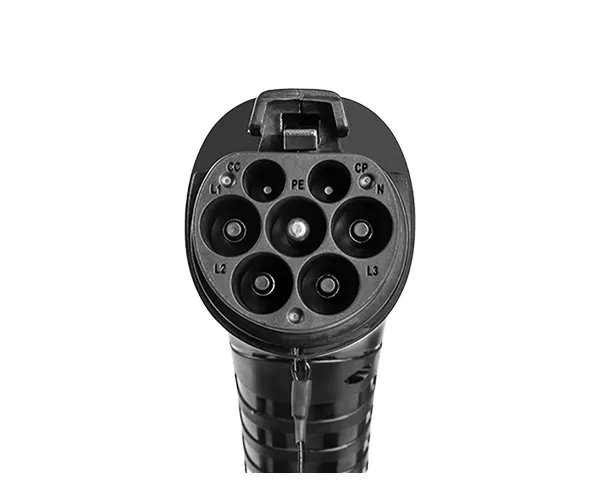
EV charging cables, DC connectors and charging sockets
Contact pins, terminals and electrical protection components
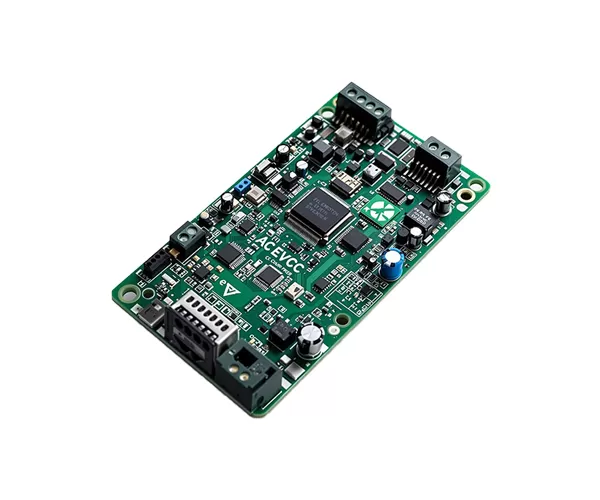
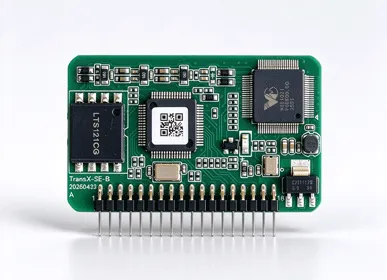
DC charging pile controllers and charging modules
Smart charging management platform
Remote monitoring, OTA diagnostics and maintenance alerts
OEM/ODM customization for different markets and project needs
For fleet depots, logistics parks, taxi stations and electric bus yards, DC fast charging is usually the preferred choice because it supports faster turnaround and centralized vehicle charging.
A fleet EV charging solution is a centralized charging system designed for electric buses, taxis, logistics vehicles, delivery vans, ride-hailing vehicles and other commercial fleets.
It helps fleet operators manage:
Multiple vehicles charging at the same time
Charging schedules based on route and dispatch plans
Vehicle downtime and daily operation efficiency
Charging power distribution
Charging data, user access and equipment status
Long-term maintenance and system expansion
Unlike simple public or residential charging, fleet EV charging requires higher reliability, stronger components and smarter operation management. AUPINS supports fleet projects with charger hardware, charging accessories, controller systems and smart platform support.
Fleet vehicles usually operate on fixed schedules and high daily mileage. If charging is too slow or unstable, it may affect delivery routes, taxi service, bus dispatch or commercial vehicle operation. Dedicated commercial fleet charging infrastructure helps operators improve charging speed, reduce operation risk and manage fleet charging more efficiently.
| Fleet Charging Challenge | Why It Matters | AUPINS Solution Focus |
| Vehicle downtime | Vehicles need to return to service quickly | DC fast chargers and high-power charging options |
| High charging frequency | Fleet vehicles charge more often than private EVs | Durable cables, connectors and sockets |
| Power demand | Multiple vehicles may charge at the same time | Smart scheduling and charging controllers |
| Operation visibility | Operators need data and fault alerts | Smart charging operation platform |
| Maintenance pressure | Charger failure can affect daily service | Remote monitoring and OTA diagnostics |
| Future expansion | Fleet size may increase over time | Modular chargers, controllers and OEM/ODM support |
For taxi fleets and ride-hailing fleets, fast charging helps drivers reduce waiting time. For logistics fleets, depot charging can support overnight charging and route-based scheduling. For electric buses, high-power DC charging can support larger battery packs and centralized fleet operation.
Choosing the right fleet DC fast charger depends on vehicle type, battery capacity, parking time, charging window and depot power conditions.
In general:
60kW-120kW DC chargers are suitable for taxi fleets and ride-hailing vehicles.
120kW-240kW DC chargers are suitable for logistics fleets and delivery vehicles.
180kW-400kW DC chargers are suitable for electric buses, large depots and high-turnover charging hubs.
A mixed charging layout can serve different vehicle types within the same fleet depot.
AUPINS offers 60kW-240kW DC fast chargers for fleet charging and 360kW/400kW public DC quick chargers for different fleet charging scenarios.
| Fleet Type | Charging Need | Recommended Power Range | Suggested AUPINS Product |
| Taxi fleet | Fast top-up charging and high turnover | 60kW-120kW | AUPINS EF160 Series DC Fast Charger |
| Ride-hailing fleet | Frequent daily charging | 60kW-240kW | AUPINS EF160 Series DC Fast Charger |
| Logistics fleet | Overnight charging and daytime top-up | 120kW-240kW | AUPINS EF160 Series DC Fast Charger |
| Electric bus fleet | Large battery capacity and depot charging | 180kW-400kW | AUPINS EF160 / EF400 Series DC Charger |
| Large fleet depot | Multi-vehicle charging and centralized management | 240kW-400kW | AUPINS EF400 Series Public DC Quick Charger |
A reliable fleet EV charging system should include more than chargers. For high-frequency commercial operation, cables, connectors, sockets, controllers and charging modules are also important.
A complete fleet charging system may include:
DC fast chargers for centralized vehicle charging
High-power DC chargers for large fleet depots and bus yards
EV charging cables for safe and stable power transmission
DC EV charging connectors for vehicle compatibility
EV charging sockets for reliable connection
Contact pins and terminals for electrical contact stability
DC charging pile controllers for charging logic and communication
Charging modules for modular power output
Electrical protection devices for charging safety
Smart charging platform for remote monitoring and operation
OEM/ODM support for branding, software and regional standards
Fleet charging involves frequent plug-in and plug-out operation. In taxi stations, bus depots and logistics parks, charging accessories may be used many times every day.
That is why fleet operators should not only compare charger power. They also need to evaluate the quality of:
DC EV charging connectors
Charging pile controllers
Charging modules
Electrical protection components
Durable cables and connectors help reduce connection failure and overheating risk. Reliable sockets, pins and terminals support stable electrical contact. Intelligent controllers help manage charging communication, power output and charging process control.
For DC charging systems, AUPINS provides AP-0516 EV DC Charging Pile Controller for DC charging piles and AP-0515 EV DC Charging Pile Controller for multi-gun DC charging applications.
By combining chargers, accessories and controllers, AUPINS helps fleet operators build safer and more stable charging infrastructure.
Fleet charging sites often face high power demand when multiple vehicles return to the depot at the same time. Without smart management, charging can create peak-load pressure and increase electricity costs.
A fleet charging management platform can help operators manage charging more efficiently through:
Remote charger monitoring
Charging schedule management
User access and permission control
Charging data reports
Equipment health alerts
OTA diagnostics and upgrades
Off-peak charging strategy
Charging priority management based on vehicle dispatch needs
For bus fleets, taxi fleets, delivery fleets and service fleets, smart charging management can improve station efficiency and reduce maintenance delays. It also helps operators prepare for future energy management models such as V2G and renewable energy integration.
Different fleet types require different charging strategies. AUPINS can help customers choose the right charger power, connector standard, controller configuration and platform function based on vehicle type and site requirements.
Taxi fleets need fast top-up charging and high charger availability. DC fast chargers can help reduce driver waiting time and improve vehicle turnover.
Recommended setup:
60kW-120kW DC fast chargers
Durable charging cables and connectors
Remote charger status monitoring
Payment or user access management
Logistics vehicles often return to the depot after delivery routes. A depot charging solution can support overnight charging and daytime top-up charging.
Recommended setup:
120kW-240kW DC fast chargers
Smart charging scheduling
Charging data tracking
Connector and cable solutions for frequent use
Electric buses usually require higher charging power and centralized charging management. Bus depots may need multiple charging guns and higher-power DC charging systems.
Recommended setup:
180kW-400kW DC fast chargers
Multi-gun charging control
High-power charging cables and connectors
Fleet charging management platform
Ride-hailing and service fleets may need both depot charging and flexible public charging access. A mixed charging strategy can reduce charging bottlenecks.
Recommended setup:
60kW-240kW DC fast chargers
Smart user access
Remote monitoring
Flexible OEM/ODM charging solutions
AUPINS supports fleet EV charging projects with complete product and system capabilities, including:
DC fast chargers and high-power DC charging stations
EV charging cables, connectors and sockets
Contact pins, terminals and electrical connection components
DC charging pile controllers and charging modules
Smart charging operation platform
Remote monitoring and OTA support
OEM/ODM customization for global B2B projects
As a professional EV charging solution supplier, AUPINS can support bus depots, taxi charging stations, logistics parks, ride-hailing fleets, delivery fleets and commercial vehicle yards. For global customers, AUPINS provides OEM/ODM fleet EV charging solution support, including charger appearance customization, connector standard selection, software integration, branding, technical support and project-based configuration.
AUPINS is suitable for:
EV charger distributors
Fleet operators
Charging network developers
Energy service providers
Commercial property owners
B2B project contractors
A fleet EV charging solution is a centralized charging system for electric buses, taxis, logistics vehicles, delivery vans, ride-hailing vehicles and other commercial fleets. It usually includes DC fast chargers, charging cables, connectors, sockets, charging controllers, charging modules, smart platform and energy management support.
For small and medium fleets, 60kW-240kW DC fast chargers are often suitable. For large bus depots, logistics hubs or high-turnover fleet stations, 360kW/400kW high-power DC chargers may be more suitable.
Fleet charging involves frequent plug-in and plug-out operation. Durable EV charging cables, DC connectors, sockets, contact pins and terminals help improve safety, reduce connection failure and support long-term charging reliability.
Yes. With a smart charging operation platform, fleet operators can monitor charger status, manage charging schedules, check equipment health, support OTA diagnostics and improve charging station operation.
Yes. AUPINS can support fleet EV charging projects with DC fast chargers, charging cables, connectors, sockets, charging pile controllers, charging modules, smart platform support and OEM/ODM customization.
Fleet electrification requires more than charging equipment. It requires a complete system that supports daily dispatch, fast charging, safe connection, smart management and long-term maintenance.
AUPINS can help you build a customized fleet EV charging solution for buses, taxis, logistics vehicles, delivery vans and commercial fleets.
Contact AUPINS to discuss your fleet charging project and get a tailored charging system with chargers, accessories, controllers, platform support and OEM/ODM services.

 English
 Deutsch
 Español
 italiano
 русский
 português
 Svenska
 العربية
 Nederland
 norsk
norsk français