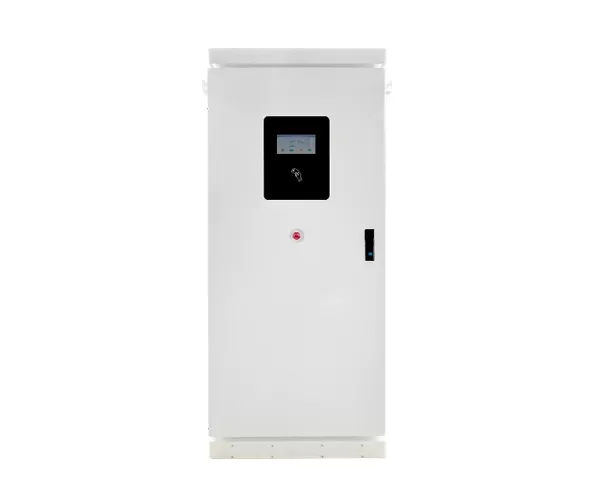
Energy storage is the technology of storing any energy produced and using it later. In most cases, storage takes the form of battery energy storage, such as lithium-ion batteries used in electric vehicles, electronic devices, and home battery systems. Energy storage allows for greater adoption of intermittent renewable energy technologies such as solar and wind. The energy storage has grown significantly as California's need for a flexible and resilient energy grid increases. By storing excess energy generated when the sun is shining or the wind is blowing, we can make the most of these resources during periods of high demand, reducing the need for carbon-intensive natural gas plants. Distributed and utility-scale energy storage also reduces costs for consumers and utilities. The effectiveness of energy storage technology depends on how quickly it can be deployed when needed, how much it can store, and how quickly it can be charged. Batteries have been around since the early 1800s, but technology has improved significantly since then. As the need for clean energy and energy independence increases, so does the need for storage solutions. Extreme weather events caused by climate change are also increasing demand for energy storage, as customers experience more grid outages and demand for electricity for cooling and heating. Energy storage offers a solution to these problems.
Energy storage solutions come in many forms, from utility-scale to home battery systems. Utility-scale solutions will help meet storage and resiliency needs across the grid, while individual solutions for your home or business can help you save money and keep lights on during outages.
 English
 Deutsch
 Español
 italiano
 русский
 português
 Svenska
 العربية
 Nederland
 norsk
 français