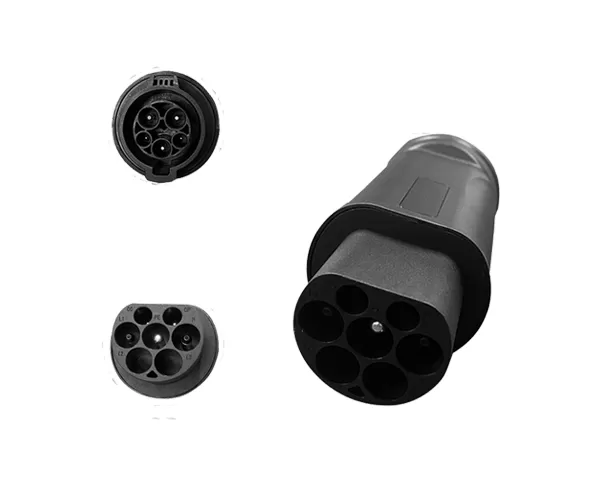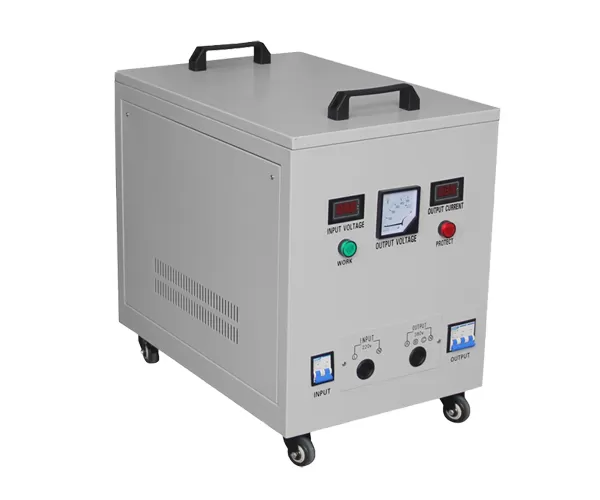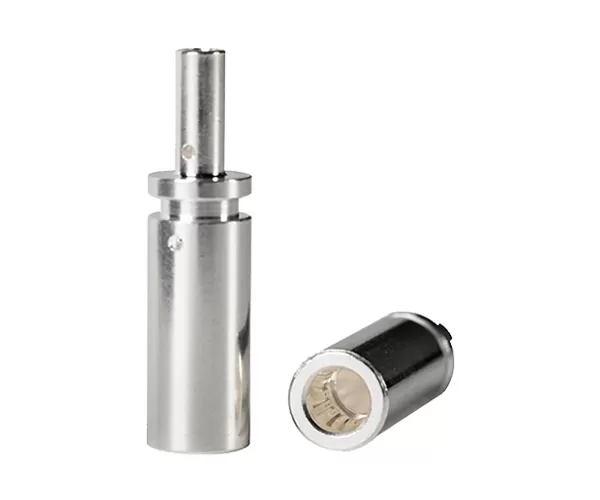
Unlike signal connectors that continue to get smaller at higher transmission speeds, high-current connectors require a specific amount of conductive material to carry a specific amount of current or amperage because there is no special design trick to allow smaller power contacts carry more current.
As the power requirements of connectors increase, the amount of space required for higher current-carrying interconnects also increases. In this article, we mainly share the factors that need to be considered in the design of power interconnects for high-current connectors.
First, it is necessary to determine how much space is required for the power interconnects of high-current connectors, and how much of the available space is allocated in the finished design. While saving space is a priority for most OEMs, the height, width, and length of connectors, especially It is its copper content that will directly affect the achievable current density, requiring more power in the same space, which is a challenge for connector manufacturers.
Connector manufacturers are constantly developing new designs, requiring higher conductivity materials and more creative use of space to improve power transfer and electrical performance without enlarging space requirements.
For example, in some cases a lower profile high current connector may be preferred to maximize airflow for cooling. But in other cases, a connector that offers higher contact performance may be the right solution to properly handle the amount of current generated in the smaller card edge space, realize the power supply and its resulting thermal effects and space design requirements in the PCB The best balance between to ensure the safety performance of the final product.
Thermal issues caused by high current contact forces, shrinkage resistance, and inefficient airflow are always an issue and should be carefully considered early in the design process.
PCB copper content is a factor, too little copper restricts current flow, resulting in shrinkage resistance. Proper copper trace size reduces resistance, which lowers temperature and reduces losses that might otherwise be dissipated to the connector interface, reducing reliability issues.
Considering the operational safety of high-current connectors, designers need to consider the entire device system and its power architecture to understand the potential for shrinkage areas and voltage drops that may affect thermal and electrical performance from start to finish. Because the maximum voltage drop defines the thermal stability threshold of the power contacts, once this threshold is exceeded, the likelihood of thermal instability increases significantly.
Connector manufacturers have traditionally tested the electrical performance of their products under ideal conditions to determine current ratings, taking into account the various conditions and interactions that affect the actual operating environment of the connector, ensuring the power Integrity of high current connector interconnect designs in compliant with application requirements.


 English
 Deutsch
 Español
 italiano
 русский
 português
 Svenska
 العربية
 Nederland
 norsk
norsk français