The process of hard silver plating is a fascinating journey into the world of metallurgy and chemistry, where the brilliance of silver is meticulously crafted at the molecular level. Understanding the chemistry behind hard silver plating unveils the intricate reactions and processes that transform the surface of various materials, infusing them with the lustrous elegance of silver.
At the heart of hard silver plating is the plating solution, a carefully crafted mixture of chemicals designed to facilitate the deposition of silver onto the substrate. The solution typically contains silver ions, complexing agents, and additives that influence the deposition process. Silver ions serve as the source of the metallic coating, while complexing agents play a crucial role in stabilizing these ions in the solution. The synergy of these chemical components orchestrates the transformation of a mundane surface into a gleaming showcase of silver brilliance.
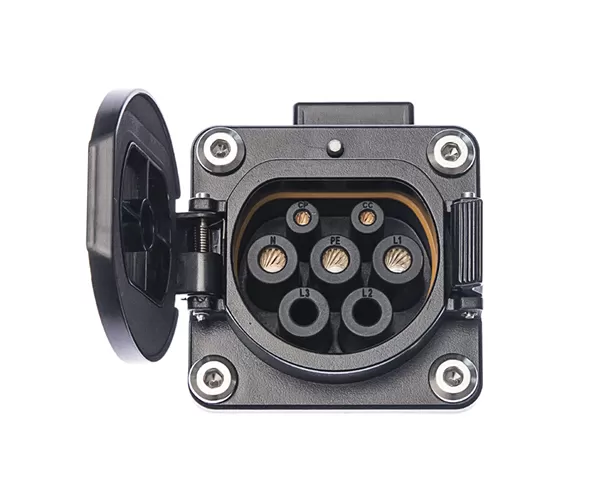
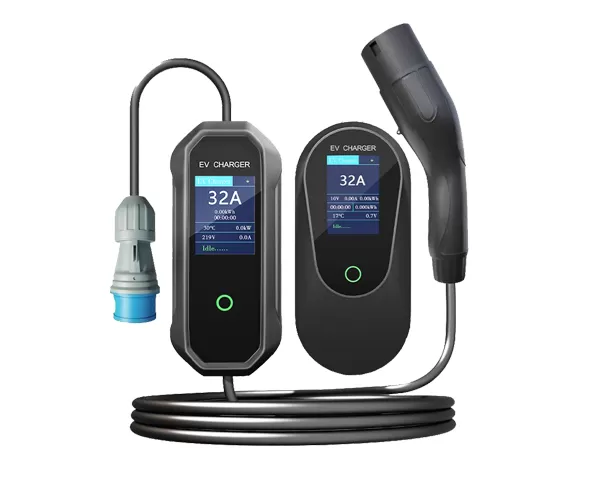
The electroplating process, a cornerstone of hard silver plating, relies on the principles of electrolysis. A substrate, often composed of a base metal such as the conductive contact components found in an electrical connector pin or different types of charger pins, including those used in a tesla ac charger, is immersed in the plating solution along with a silver anode.
Silver ions are notorious for their propensity to form insoluble compounds, making it challenging to maintain a stable plating solution. However, the inclusion of complexing agents addresses this challenge. These agents form soluble complexes with silver ions, preventing their precipitation and ensuring a stable plating solution. Common complexing agents include cyanides, thiosulfates, and sulfites, each contributing to the overall stability and effectiveness of the hard silver plating process.
To fine-tune the hard silver plating process, various additives are introduced to the plating solution. These additives serve multiple purposes, including controlling the thickness and morphology of the plated layer, enhancing the distribution of silver, and improving the overall quality of the plating. Brightening agents, leveling agents, and grain refiners are among the additives that chemists carefully incorporate to achieve the desired aesthetic and functional outcomes.
Achieving a durable and adherent hard silver plating requires more than just depositing silver ions onto a substrate, including conductive contact components used in different types of ev connectors. The substrate's surface must be activated to create a conducive environment for adhesion. This activation often involves pre-treatments such as cleaning, etching, or applying a layer of activating chemicals. These steps modify the substrate's surface, making it more receptive to the incoming silver ions and ensuring a robust bonding between the substrate and the plated silver layer.
The bonding between the silver layer and the substrate involves intricate molecular interactions. Various bonding mechanisms come into play, including chemical bonding and interatomic forces. The silver ions, upon reduction, form metallic silver that bonds with the substrate on a molecular level. The nature of this bonding contributes not only to the adhesion but also to the durability and longevity of the hard silver plating.
In conclusion, the chemistry behind hard silver plating is a symphony of science and artistry, where precise formulations and intricate processes converge to create a brilliant transformation. From the composition of the plating solution to the molecular bonding at the substrate's surface, every step reflects the precision and craftsmanship involved in the creation of hard silver-plated surfaces. As this chemistry continues to evolve, the gleam of silver becomes not just a visual delight but a testament to the fascinating world of metallurgical science.

 English
 Deutsch
 Español
 italiano
 русский
 português
 Svenska
 العربية
 Nederland
 norsk
norsk français