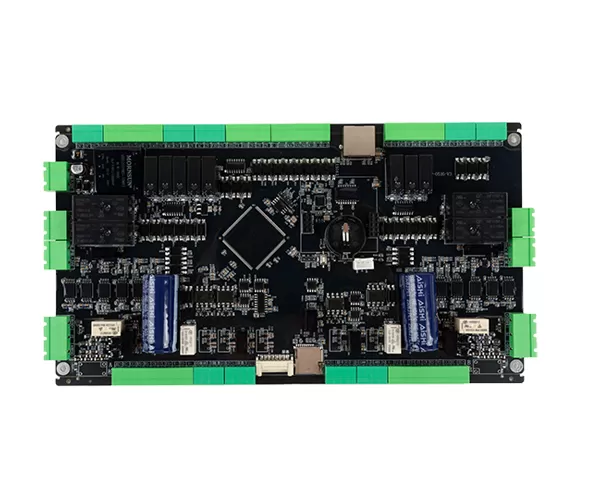
EV charger installation requirements are the electrical, site, safety and compliance conditions that must be met before installing an electric vehicle charging station. These requirements affect charging speed, user safety, grid connection, operating cost and long-term equipment reliability.
For homeowners, property developers, workplaces, fleet operators and charging station investors, EV charger installation is not just “mounting a charger on the wall.” It requires load assessment, circuit design, cable routing, grounding protection, weather protection, permits, inspection and charger selection. AUPINS provides EV Charger, AC wall-mounted charger, DC fast charger and EV charging accessory solutions for residential, commercial and public charging scenarios.
EV charger installation requirements are the technical and regulatory conditions needed to install EV supply equipment safely and legally. They usually include power capacity, charger type, circuit protection, installation location, cable specification, local permits and final inspection.
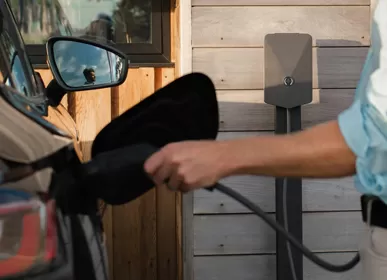
For home charging, Level 1 chargers may use a standard outlet, while Level 2 chargers usually require a dedicated 208V or 240V circuit. The U.S. Alternative Fuels Data Center explains in its guide to charging electric vehicles at home that charging equipment installations must comply with local and state codes, and permits may be required.
For commercial or public charging, requirements are more complex. A site may need utility coordination, trenching, transformer capacity review, parking layout design, accessibility planning, signage, network communication, payment system integration and operation monitoring.
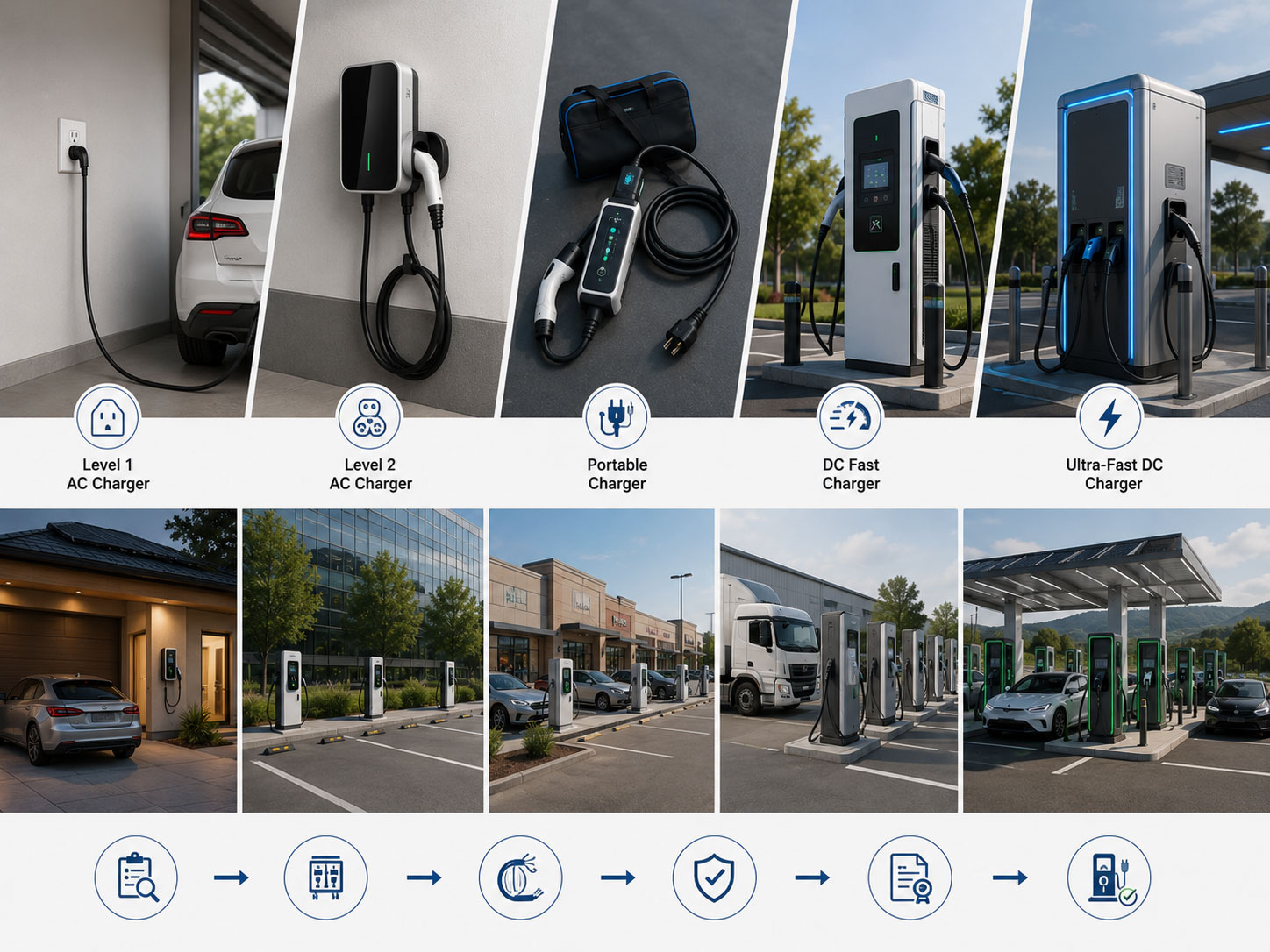
Electrical requirements for EV charger installation define whether the available power supply can support the charger’s voltage, current and charging load safely. The installer should confirm the electrical panel capacity, dedicated circuit rating, grounding, overcurrent protection and residual current protection before installation.
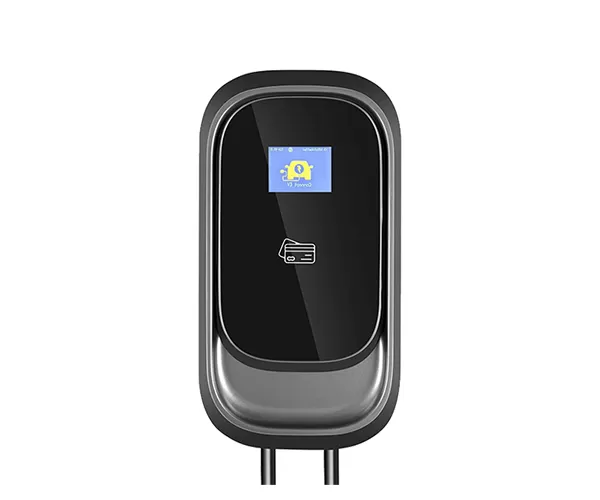
A typical AC home or workplace charger may require 16A, 32A or higher current depending on output power. For example, the AUPINS C5 Series AC Wall-mounted Charger supports 7kW, 11kW and 22kW charging capacities, with adaptable 16A, 32A and 50A output options. It also includes overvoltage, overcurrent and leakage protection, making it suitable for residential, workplace and commercial charging environments.
DC fast chargers need much higher electrical capacity. They often require three-phase power, stronger upstream protection, proper cable sizing, ventilation, grounding and utility approval. For DC systems, the IEC standard for DC EV supply equipment requirements applies to EV supply equipment with rated maximum voltage up to 1,000V AC or 1,500V DC on the supply side and up to 1,500V DC on the vehicle side.
Site requirements for EV charger installation depend on where the charger will be used and how long vehicles will stay parked. A home garage, office parking lot and highway fast-charging station need different layouts, power supply and protection levels.
| Installation Site | Typical Charger Type | Main Requirement | Buyer Focus |
| Home Garage | Level 2 AC wall charger | Dedicated circuit, safe wall mounting, cable reach | Convenience and overnight charging |
| Apartment Parking | Shared AC charger | Load management, access control, billing | User management and safety |
| Workplace | AC charger or medium DC charger | Parking design, user dwell time, network control | Employee and visitor charging |
| Fleet Depot | AC or DC charging system | Load scheduling, multiple chargers, grid capacity | Uptime and operating cost |
| Public Station | DC fast charger | Utility connection, permits, payment, signage | Fast turnover and reliability |
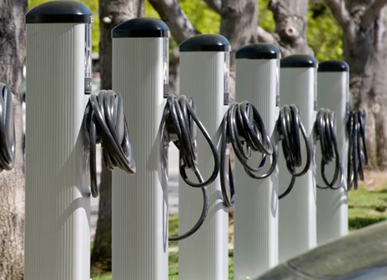
Outdoor chargers should have a proper IP rating, corrosion resistance, cable management and safe parking layout. The AUPINS C5 charger features IP55 protection and wide operating conditions from -30℃ to +50℃. For public charging, the AUPINS EF040 Series Public DC Fast EV Charger supports CCS Combo-2 and CHAdeMO connectors, wall-mounted or pole-mounted installation, OCPP 1.6J communication, IP54 and IK10 protection, and up to 94% conversion efficiency.
Permits, safety and inspection requirements ensure that EV charger installation meets local electrical, building, fire and utility rules. These requirements reduce risks such as overload, overheating, electric shock, water ingress and unsafe public operation.
Before installation, the project owner should check whether the local authority requires an electrical permit, building permit, utility approval or fire-safety review. AFDC’s guide to permitting processes for EV charging infrastructure recommends transparent checklists, online permitting, defined approval timelines and clear inspection requirements to streamline EV charger deployment.
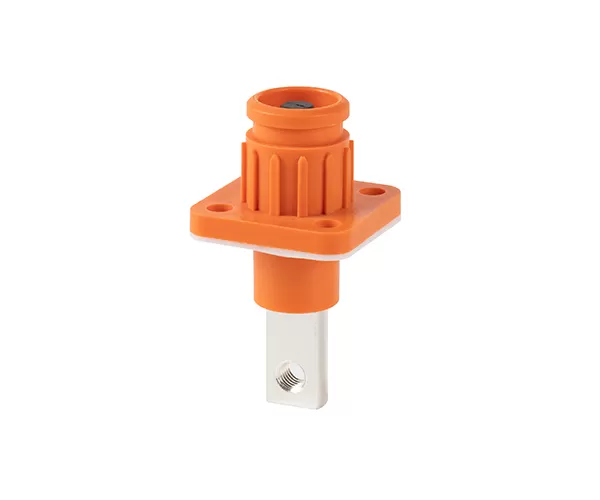
Safety checks should include charger certification, protective devices, grounding continuity, insulation, emergency stop function for public chargers, cable condition, connector compatibility and final commissioning. For connector and cable safety, buyers should also consider charging cable standards and environmental performance. AUPINS offers EV Charging Cable solutions for AC and DC charging, including Type 2, DC charging cables and customized cable options.
Planning an EV charger installation project means matching charger type, power level, site conditions and user behavior before buying hardware. A well-planned project avoids underpowered chargers, oversized infrastructure, poor cable routing and costly rework.
For residential projects, AUPINS C5 AC Wall-mounted Charger is suitable where users need reliable overnight or workplace charging. For public sites, charging hubs, service areas and fleet operations, AUPINS DC fast charging solutions can support faster charging and smarter remote operation. For OEM, distributors and charging infrastructure partners, AUPINS can also support charging cables, connectors, sockets, adapters and charging accessories.
Before requesting a quote, buyers should prepare the charging location, expected charger quantity, target power, input voltage, connector standard, mounting method, cable length, environmental conditions, communication needs, payment method and required certifications. This helps AUPINS recommend a charger solution that fits the installation site and market requirements.
EV charger installation requirements cover much more than product selection. A safe and reliable installation should confirm power capacity, circuit protection, cable routing, charger location, weather protection, permits, inspection and future expansion needs.
For homes and workplaces, AC wall-mounted chargers usually provide the best balance of cost and charging speed. For public charging and fleet sites, DC fast chargers require more planning but deliver faster charging and higher turnover. AUPINS provides EV chargers, AC wall-mounted chargers, DC fast chargers, EV charging cables and accessories to support residential, commercial, fleet and public EV charging projects.
The basic requirements include sufficient electrical capacity, a dedicated circuit, correct breaker and cable sizing, grounding, suitable installation location, local permits and final inspection.
In most cases, yes. A Level 2 EV charger usually requires a dedicated 208V or 240V circuit designed for the charger’s rated current.
Yes, but the charger should have an appropriate IP protection rating, weather-resistant housing, safe cable management and installation that meets local electrical codes.
Public DC fast charger installation usually requires utility coordination, three-phase power, site planning, permits, grounding, protection devices, network communication, payment system setup and safety inspection.
Choose AC charging for homes, workplaces and long parking periods. Choose DC fast charging for public stations, fleets, highways and locations where fast vehicle turnover is important.
AUPINS offers AC wall-mounted chargers, public DC fast chargers, EV charging cables, connectors and accessories, with options for residential, workplace, commercial, fleet and public charging applications.
 English
 Deutsch
 Español
 italiano
 русский
 português
 Svenska
 العربية
 Nederland
 norsk
norsk français