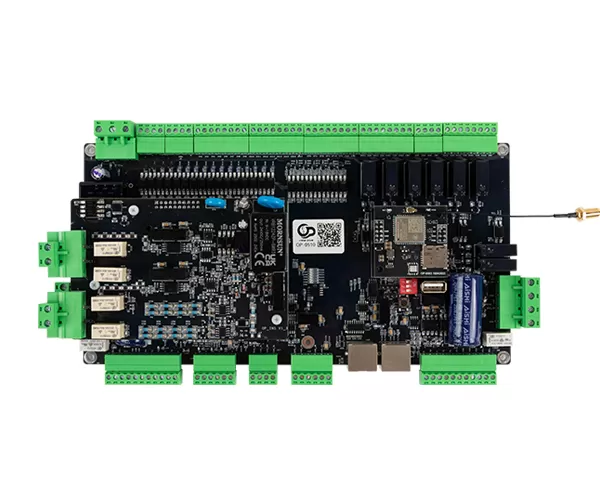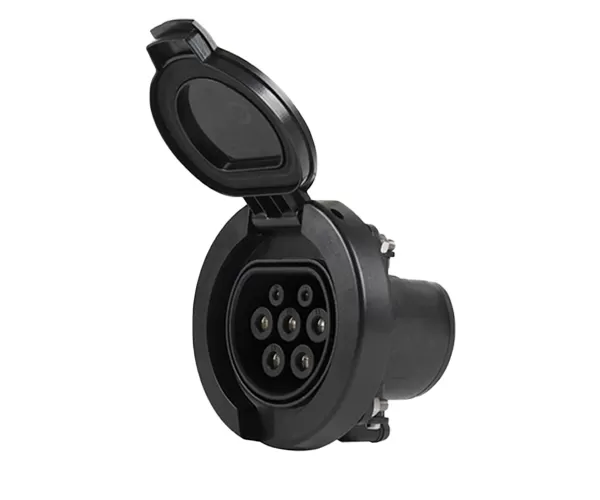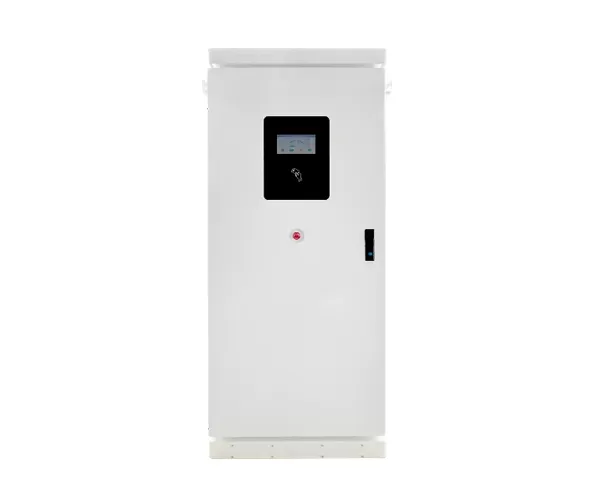
7kw charging piles are generally AC slow charge, and it takes an average of 5-8 hours to fully charge, depending on the battery capacity. Generally, the vehicle is parked directly after returning home from get off work, and it will not be delayed for use the next day after charging.
When it comes to charging electric vehicles (EVs), understanding the different charging speeds is crucial for making informed decisions. The 7kW charging pile is a common option, but how does it stack up against other charging speeds? Let’s break it down.
Speed and Use Cases:
Charging Time: A 3.7kW charger is generally considered a slow charger. It can take anywhere from 8 to 12 hours to fully charge a typical EV battery, depending on the battery’s capacity.
Ideal For: This type of charger is often used for overnight charging at home or in workplaces where vehicles are parked for extended periods.
Pros and Cons:
Pros: Lower cost and easier installation. Suitable for users who have ample time to charge their vehicles.
Cons: Not ideal for quick top-ups or for users who need to charge their vehicles multiple times a day.
Speed and Use Cases:
Charging Time: A 7kW charger is considered a moderate-speed charger. It can fully charge a typical EV battery in about 4 to 8 hours.
Ideal For: This type of charger is suitable for home use, workplaces, and public charging stations where vehicles are parked for a few hours.
Pros and Cons:
Pros: Faster than 3.7kW chargers, making it a more versatile option for daily use. It strikes a balance between cost and charging speed.
Cons: While faster than 3.7kW, it may still be too slow for users who need rapid charging.
Speed and Use Cases:
Charging Time: An 11kW charger can fully charge a typical EV battery in about 2 to 4 hours.
Ideal For: This type of charger is often found in commercial settings, such as shopping centers and public parking lots, where quicker charging is beneficial.
Pros and Cons:
Pros: Significantly faster than 7kW chargers, making it ideal for users who need quicker top-ups.
Cons: Higher installation and operational costs. Requires a three-phase power supply, which may not be available in all locations.
When evaluating whether a 7kW charging pile is fast or slow, it’s essential to consider various factors that influence charging speed. These factors can significantly impact how quickly an electric vehicle (EV) charges, making the 7kW charger either a suitable or less ideal option depending on the circumstances.
Battery Capacity of the EV
Larger Batteries: EVs with larger battery capacities (e.g., 75 kWh or more) will take longer to charge with a 7kW charger compared to those with smaller batteries (e.g., 40 kWh).
Smaller Batteries: For EVs with smaller batteries, a 7kW charger can be relatively quick, often providing a full charge within a few hours.
Example:
A 40 kWh battery would take approximately 5.7 hours to charge from 0% to 100% with a 7kW charger.
A 75 kWh battery would take approximately 10.7 hours to charge from 0% to 100% with the same charger.
State of Charge (SoC)
Low SoC: If the battery is nearly empty, it will take longer to reach a full charge.
High SoC: If the battery is already partially charged, the time required to reach full charge will be shorter.
Personal charging piles are generally home charging piles, which are connected to 220V AC power, commonly known as slow charging. With the prevalence of private cars, private charging piles have become common. The current mainly based on 220V for household use can be connected to the family.
Since most charging piles are large-scale electrical equipment of 7kw, they usually need to be equipped with independent air switches and electric meters. Charging piles should basically have neutral wires and ground wires. Of course, single-phase requires three-core cables, and three-phase requires five-core cables.
Long-term fast charging has a certain harm to the life of the battery, so it is necessary to reasonably match fast and slow charging. In addition, in terms of installation cost and convenience, AC charging piles are very easy to install. They are installed in parking lots or charging stations. The input side only needs to be connected to the power grid, and the output is only AC. No other equipment such as rectifiers is required. The structure is simple and the pile body is small.

 English
 Deutsch
 Español
 italiano
 русский
 português
 Svenska
 العربية
 Nederland
 norsk
norsk français