Because the wiring position of the assembly line is complex, continuity testing has become an indispensable step. The fixture can only be tested after being confirmed by PE and QE. QE needs to simulate possible defects, and the operator needs to perform a good and bad product inspection before each continuity test. After confirmation, mass production can be carried out.
Finished product inspection is the final confirmation before product packaging and shipment. Check whether the terminals and CONNs are within tolerance. Check whether the wire binding loop is uniform. Check whether the assembly method of the components is correct.
After the automotive wiring harness is processed and assembled, all wiring harnesses must be parallel and cannot move. However, the binding rope or bundling belt cannot damage the wire.
When inserting PINs or welding, the core wires cannot be tangled together, but should not be too tight.
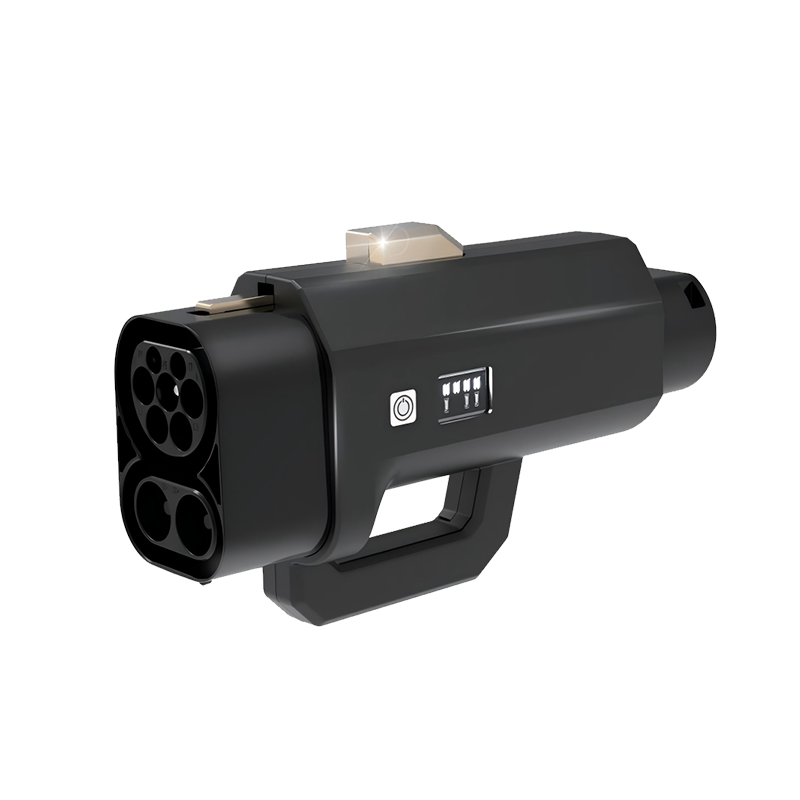
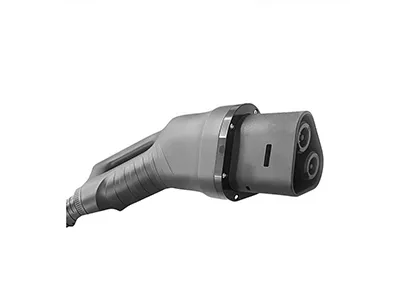
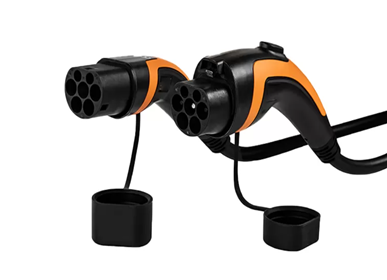
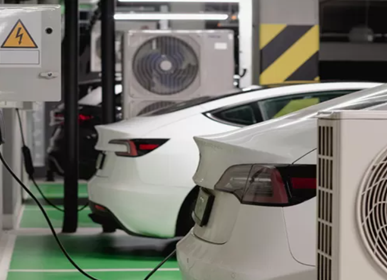
When wiring, the terminals, HOUSING, D-SUB, IDC, and CONN of each material number must match the identification of the positioning board, especially when the wiring harness is designed to interface with an ev charging device, as different ev connector types require different terminal and connector configurations.
The wires of each sub-material number must be arranged according to the routing on the positioning board.
When binding, the rope should move vertically from the bottom of the binding loop.
The bundling belt should be tightened, and the tail should not exceed 1mm.
When binding, the distance between two binding loops is about 25mm, and each rope should be left with a tail of about 10mm at the end.
Tie a knot at the beginning and end of each rope.
Do not make loops or tangles when binding the rope. Do not put the connector on the positioning pin. When pulling the rope, the end of the rope should be fixed on the positioning pin before binding the rope. Otherwise, there is a risk of breaking the core wire or losing the terminal.
After the automotive wiring harness and wiring harness connector pins, including those used with different types of charger pins or a wire for electric car charger, are assembled into finished products, the continuity rate of the wiring harness must be tested, and the continuity rate must reach 100% without short circuits, open circuits, or wrong paths. At the same time, it must meet the quality standards required by customers of the automotive wiring harness, and provide a safety quality guarantee certificate during packaging. Every step of the automotive wiring harness assembly inspection process strives to be meticulous and strives for excellence, and follows the ISO 9001:2000 quality management system to standardize the operation requirements.
The work instruction is a specific work activity program developed to ensure the quality and safety of the process. The benefit is to make the work process more clear and reduce the errors caused by differences in operators, improve the consistency and stability of the product, reduce product quality accidents, facilitate future work improvement and quality management, and also include requirements for work, product acceptance, and judgment criteria.
 English
 Deutsch
 Español
 italiano
 русский
 português
 Svenska
 العربية
 Nederland
 norsk
 français