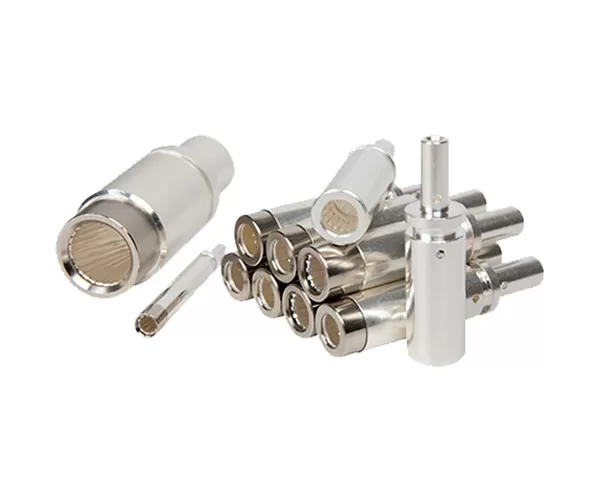
In the realm of metal finishing, the pursuit of sustainability is taking center stage, and hard silver plating is stepping into the spotlight with its eco-friendly aspects. As industries strive to minimize their environmental footprint, hard silver plating emerges as a responsible and sustainable choice, offering brilliance without compromising on ecological considerations.
One of the primary eco-friendly aspects of hard silver plating lies in the composition of the plating solutions. Manufacturers are increasingly adopting green chemistry principles, striving to minimize the use of hazardous chemicals and reduce overall chemical footprints. This shift not only promotes a safer working environment but also contributes to the broader goal of minimizing the environmental impact associated with traditional plating processes.
Hard silver plating is known for its efficiency in utilizing precious metals. The process involves a controlled deposition of silver, minimizing waste and ensuring that a higher percentage of the material contributes to the final plated product. This efficiency not only aligns with sustainability goals but also addresses concerns about the responsible use of precious metals, making hard silver plating an eco-conscious choice.
Innovations in electroplating technology associated with hard silver plating contribute to energy conservation. The process has evolved to become more energy-efficient, with advancements in electrode design, current distribution, and control systems. This not only reduces the overall energy consumption of the plating process but also aligns with global efforts to transition towards cleaner and more sustainable manufacturing practices.
The adoption of low-voltage plating techniques in hard silver plating further enhances its eco-friendly profile. Lower voltage requirements result in reduced energy consumption during the plating process. This innovation not only contributes to environmental sustainability but also has economic benefits, as it aligns with the broader trend of energy-efficient manufacturing processes.
Hard silver plating processes are evolving to minimize the impact on wastewater. Efforts are being made to treat and manage wastewater responsibly, reducing the discharge of harmful substances into water systems. Additionally, recycling initiatives are gaining traction, aiming to recover and reuse precious metals, further minimizing the environmental footprint associated with hard silver plating.
The implementation of closed-loop systems in hard silver plating facilities represents a significant step towards a circular economy. Closed-loop systems focus on recycling and reusing process solutions, reducing the need for fresh chemicals and minimizing waste generation. This approach aligns with sustainability goals by creating a more self-sustaining and environmentally responsible plating process.
The durability of hard silver plating contributes to its eco-friendly attributes. Items plated with hard silver tend to have extended lifecycles, reducing the frequency of replating or replacement. This longevity not only conserves resources but also minimizes the environmental impact associated with the disposal of frequently replaced items.
Hard silver plating is known for its corrosion resistance, providing protection against environmental factors that can lead to material degradation. Items plated with hard silver are less susceptible to corrosion, contributing to longer lifespans and reducing the need for frequent replacements. This inherent resistance to corrosion aligns with sustainability goals by promoting a more enduring and environmentally friendly solution.
In conclusion, the eco-friendly aspects of hard silver plating are reshaping the landscape of metal finishing. From reduced chemical footprints and efficient resource utilization to energy conservation, waste reduction, and the promotion of longevity, hard silver plating aligns with the principles of sustainability. As industries increasingly prioritize environmentally responsible practices, the gleam of hard silver plating is not just in its brilliance but also in its commitment to a greener and more sustainable future.



 English
 Deutsch
 Español
 italiano
 русский
 português
 Svenska
 العربية
 Nederland
 norsk
 français