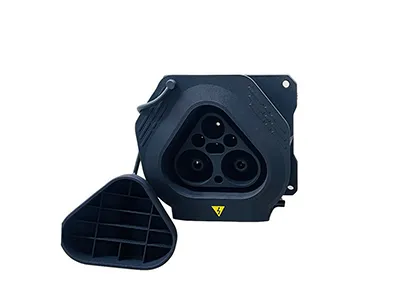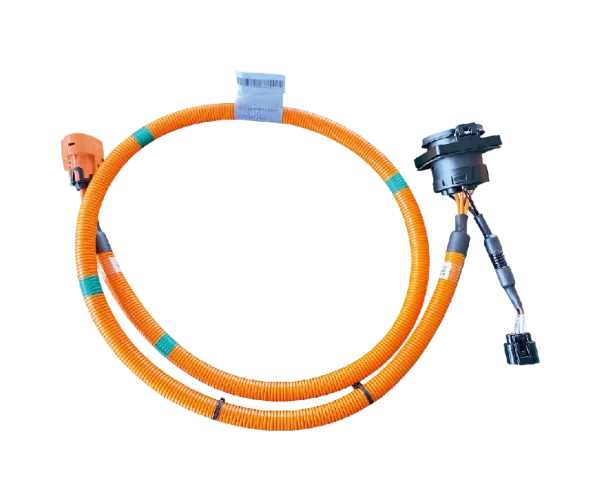
The reliability of the high-voltage connector directly affects the quality of the vehicle. In an electric vehicle wiring harness system, high-voltage connectors play an important role in maintaining stable and reliable power transmission. Across different types of ev connectors, high-voltage systems work with currents of tens of amps, or even hundreds of amps. Compared with traditional low-voltage connectors, high-voltage connectors need to withstand higher voltage and current. In the face of car vibration, bumps, rain, snow, mud and other harsh use environments, the probability of failure of the high-voltage connection system is also greatly enhanced, and once a problem occurs, overheating may affect the function of the vehicle or even cause a burning accident, threatening the lives of users. Therefore, the new energy vehicles on the high voltage connector safety, reliability and other higher requirements.
To ensure the quality of high-voltage automotive connectors, manufacturers in the production line will be electrical performance, mechanical performance, air tightness, environmental adaptability and other comprehensive testing, but this does not guarantee the safety and reliability of high-voltage connectors in the later use of the process. Field use and experimental data show that the automotive high-voltage connector failure mode of various types, electrical contact failure accounted for the largest proportion of about 45%, all types of failure modes and their share of the following chart. The major manufacturers, such as wire harness connector manufacturers, in the prevention of high-voltage connector failure design, has done a lot of work, such as the common high-voltage interlock function, but in the end market, there are still more high-voltage connector failure problems.
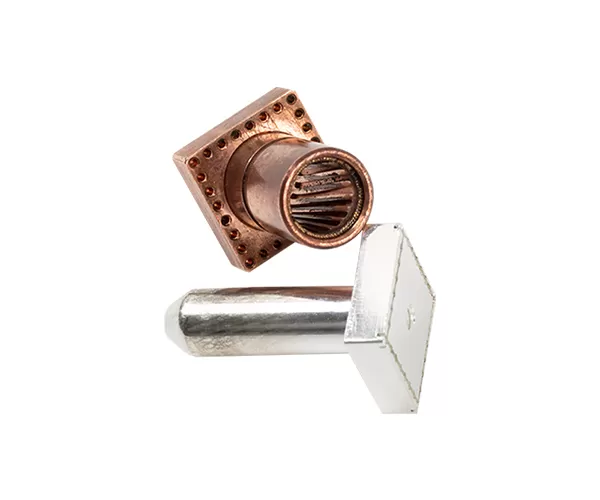
The causes of electrical contact failure are generally insufficient electrical contact pressure, contact wear, etc. The structure of the high-voltage connector for new energy vehicles is shown in the diagram below, which is mainly composed of contact parts, shielding layer, shell, accessories and other parts. Contact components, including different types of charger pins used in charging applications, require reliable electrical contact. Due to vibration, eccentricity, metal deformation and interference from foreign objects, the contact parts of the high-voltage automotive connector may have poor contact and increased contact resistance, resulting in serious heating when high currents pass through the area.
The surface of the high-voltage automotive connector may have moisture, corrosive substances, etc. fused with the surface water film to form ionic conductive channels. The reason for this result is that some of the insulation surface is difficult to clean and must therefore be strictly screened during the quality control process. It is important to note that the voltage used to test the insulation resistance is direct current, while the test of resistance is alternating current. The power used to test the insulation resistance is considerably lower than the power used to test the resistance.
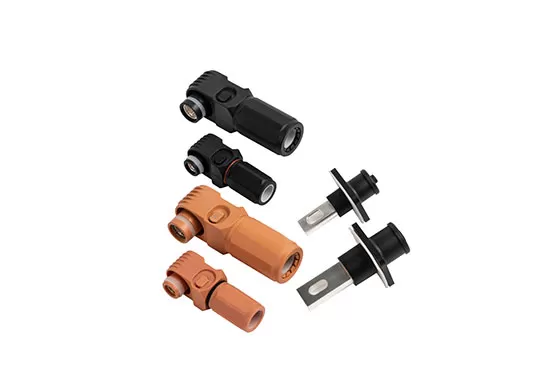
Mechanical connection failure of the electric vehicle charger connector, including high-voltage charging interfaces such as a ccs2 connector used in an e vehicle charging station, can be manifested in a variety of failure modes. These failures are closely related to both the manufacturing and usage processes, with welding, crimping, installation and stress conditions representing weak links in the mechanical connection. Mechanical connection failures are usually exposed during use, and for more demanding products, early screening and evaluation tests can be carried out to improve reliability.
In fact, with the development of science and technology, people need to solve the problem of high-voltage connectors automotive failure more and more, high-voltage connectors automotive failure mode is much more than these kinds of, other such as assembly errors, size discrepancies, air leakage, elastic element fracture, etc.. In the actual production operation can be carried out in the early screening and evaluation tests, high voltage connectors as a new energy vehicle high voltage components between the link, its reliability directly affects the function and safety of the vehicle.
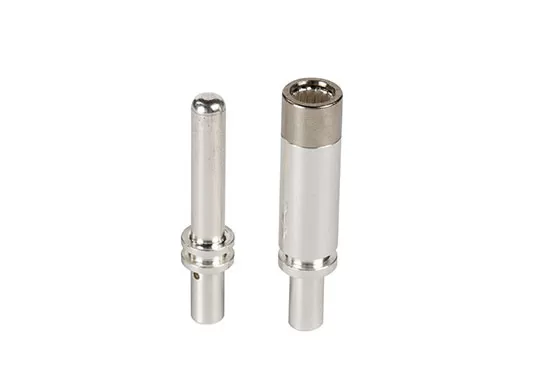
The causes of electrical contact failure are generally insufficient electrical contact pressure, contact wear, etc. The structure of the high-voltage connector for new energy vehicles is shown in the diagram below, which is mainly composed of contact parts, shielding layer, shell and accessories and other parts. Due to vibration, eccentricity, metal deformation and interference from foreign objects, the contact parts of the high-voltage connector have poor contact and increased contact resistance, resulting in serious heating when high currents pass through the area.
 English
 Deutsch
 Español
 italiano
 русский
 português
 Svenska
 العربية
 Nederland
 norsk
norsk français