With the growing popularity of electric vehicles (EVs), an increasing number of car owners are considering installing charging stations at home. A home charging station allows you to charge your vehicle effortlessly overnight, eliminating the hassle of visiting public charging stations—offering unparalleled convenience. However, before deciding to install one, there are several key factors you need to understand in advance to ensure a smooth installation process and safe, efficient operation. This article outlines the essential information you need to know before installing an EV charging station at home.
The first step in planning for a home charging station is to assess your daily driving habits. Consider how frequently you drive and your approximate daily mileage. If you have a long daily commute, having a reliable home charging solution becomes particularly important. Clearly defining your specific needs helps you determine the appropriate specifications for your charger, ensuring you never face the inconvenience of running out of power just when you need it most.
Before installing a charging station, it is mandatory to assess your home's electrical system and power capacity. This step is crucial for confirming whether your existing wiring and electrical panel can handle the additional load imposed by charging an electric vehicle.
Key areas to focus on include:
Inspecting the Electrical Panel and Current Rating
Check the current capacity of your electrical panel. It is recommended to enlist the help of a professional electrician to evaluate whether your current configuration meets the requirements or if an upgrade is necessary.
Assessing Wiring Standards and Load Capacity
Ensure that the wiring within your home is capable of supporting an EV charger. An electrician can determine whether your existing wiring complies with relevant safety standards.
Consulting a Qualified Electrician
When assessing your electrical system, always consult a licensed electrician. They can guide you through any necessary upgrades and provide information regarding associated costs.
When deciding on a location for your charger, consider its proximity to your parking area. The EV charger should be positioned for easy access, allowing you to plug in your vehicle effortlessly on a daily basis.
Garage or Driveway?
If you have a garage, this is typically the most convenient option—especially during inclement weather. If you do not have a garage, installing the charger along the side of your driveway is also a viable solution.
Accessibility and Weather Protection
Ensure the installation site allows for easy plugging and unplugging of the charging cable. Additionally, consider weather factors such as rain and sun exposure; if necessary, install a protective enclosure or rain cover to shield the unit. 4. Understand Local Regulations and Planning Requirements
Before commencing work, it is advisable to consult with your local municipal authorities regarding regulations or requirements for EV charging stations. While many residential installation projects do not require a planning permit, you should still verify whether any local restrictions—such as those related to historic preservation districts or specific property regulations—might impact your installation plans.
The cost of installing an EV charger varies depending on several factors, primarily including:
Charger Specifications: Prices differ significantly across various models, power outputs, and brands of chargers.
Electrical Upgrade Costs: If your home's electrical system requires capacity expansion or modifications, this will add to your budget.
Labor Costs: These fees depend on the rates charged by the electrician you hire and the complexity of the installation process.
It is recommended to obtain quotes from at least two professional electricians before installation and to clarify the details of all associated costs.
When selecting an electrician for your charging station, partnering with an independent electrical company often offers distinct advantages. Independent installers typically have access to a wide range of mainstream charging equipment available on the market, providing you with a broader selection of options. Specific advantages include:
Personalized Recommendations: Independent electricians can offer customized advice based on your specific needs, vehicle model, and home electrical conditions, helping you select the most suitable charger.
Professional Expertise: Reputable independent installers possess extensive experience with various charger models and application scenarios; they can help you navigate your options and identify the optimal installation solution for your home.
Quality Assurance: Independent electricians often place a greater emphasis on product quality and customer satisfaction, ensuring that the installation work meets high standards and provides you with peace of mind regarding safety and reliability.
As the adoption rate of electric vehicles continues to rise, it is advisable to consider in advance whether you might need to add additional charging stations in the future. If you anticipate adding more EVs to your household or if your driving habits are likely to change, planning ahead now can save you both time and money down the road.
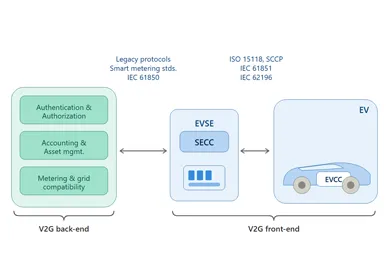
Investing in a charger that supports future upgrades—such as higher power output, smart connectivity, or bi-directional charging capabilities—helps ensure you remain ahead of the curve as technology continues to evolve. Choosing a forward-looking solution is essential for adapting to future developments in the field of EV charging.
Last but certainly not least, the installation of a home EV charging station involves working with high voltages and high currents; therefore, it must be performed by a qualified professional electrician. Never attempt to install the unit yourself or entrust the task to unqualified personnel, as doing so could create serious safety hazards such as electrical leakage or fire. Opting for professional installation services is not only a responsible measure for the safety of you and your family, but it is also crucial for ensuring the long-term stability and reliable operation of your charging equipment.
 English
 Deutsch
 Español
 italiano
 русский
 português
 Svenska
 العربية
 Nederland
 norsk
norsk français