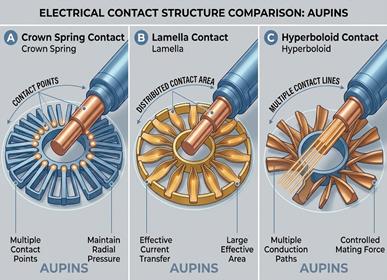
When connector reliability depends on consistent electrical contact, the internal contact structure matters as much as the connector housing itself. A crown spring contact uses multiple spring fingers...
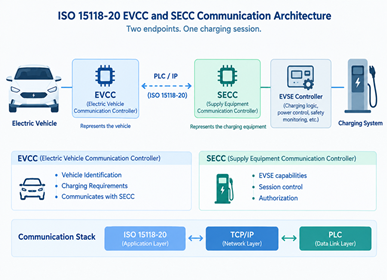
In an ISO 15118-20 charging system, the Electric Vehicle Communication Controller (EVCC) and Supply Equipment Communication Controller (SECC) act as communication endpoints between an electric vehicle...
“This charger clearly says 300 kW, so why is my car only charging at 80 kW?”“It started at 120 kW—why did it drop to 60 kW after a few minutes?”“Is the charger broken?” If you drive an EV, you...
Megawatt-class charging systems (MCS) are revolutionizing the way battery-electric commercial vehicles are used. Thanks to MCS technology, electric trucks can now be fully charged within the legally m...
From refueling to charging: A revolution in energy supply.If you're considering buying an electric vehicle, one of the first questions you need to understand is: what exactly is electric vehicle c...
Just like any other electronic device, electric vehicle chargers need regular maintenance to ensure their proper operation and provide a safe and reliable charging experience for EV users. Here are so...
Purchasing a DC fast charger is a significant investment for charging station operators, fleet managers, and commercial property developers. However, the initial equipment price represents only one pa...
Choosing a commercial DC fast EV charger requires more than comparing rated power outputs. Voltage range, maximum current, conversion efficiency, power factor, protection ratings, and electrical safet...
ISO 15118 conformance testing has a reputation for being brutal. In practice, most failures do not come from misunderstanding the protocol. They come from six implementation details that only surface ...




 English
 Deutsch
 Español
 italiano
 русский
 português
 Svenska
 العربية
 Nederland
 norsk
 français