When choosing the right EV charging station, it’s important to consider your charging needs. If you’re looking for a cost-effective and reliable daily charging solution, Level 2 chargers are perfect for home or workplace use, handling everyday charging efficiently. However, if you need a fast-charging option for long-distance travel or high-traffic locations, Level 3 chargers offer the speed and capacity required for quick recharges on the go.
In this article, we’ll compare Level 2 and Level 3 chargers based on charging speeds, costs, and use cases. You'll be able to choose the right option for your home, business, or high-traffic area, and understand how each charger meets your specific needs.
Level 2 Charging Stations
Level 2 chargers are AC chargers that typically offer power outputs ranging from 3.7 kW to 22 kW. These chargers are ideal for locations where vehicles are parked for longer durations, such as homes, small businesses, and workplaces. They are easy to install and cost-effective, requiring only a 240V power source.
Level 3 Charging Stations (DC Fast Charging)
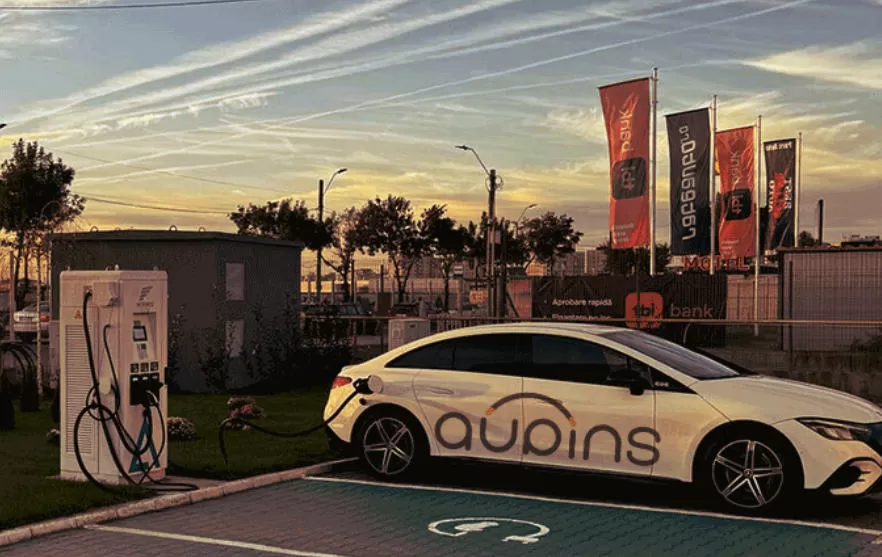
Level 3 chargers, also known as DC fast chargers, provide high-speed charging, typically with an output from 50 kW to 350 kW. Even some level 3 charging stations can be expanded. These chargers are designed for vehicles that need to be charged quickly, such as along highways or in commercial centers. They deliver DC power directly to the vehicle's battery, charging an electric vehicle to 80% in just 30 minutes.
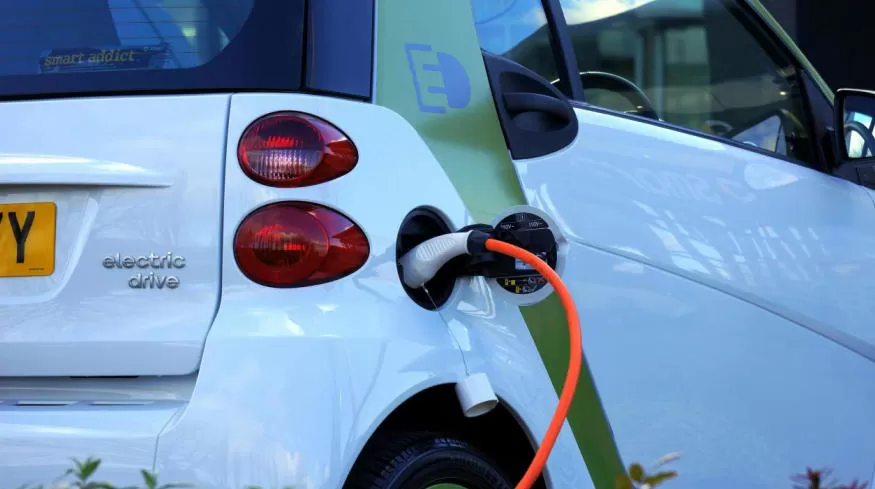
Level 2 Charging Station Costs
Level 2 chargers (AC chargers) are affordably priced, with installation costs ranging from $500 to $2,500. Since they do not require extensive infrastructure upgrades, they are well-suited for homes and small businesses. As electric vehicles (EVs) become more widespread, installing Level 2 chargers offers significant benefits to employees and customers by reducing charging times and enhancing convenience.
Level 3 Charging Station Costs
Level 3 chargers (DC chargers) are high-performance units designed for businesses, with installation costs typically ranging from $10,000 to $45,000. Although they require specialized equipment and professional installation, their rapid charging capabilities make them ideal for high-traffic areas or locations where multiple vehicles need to be charged quickly. While the advanced technology involved may result in slightly higher maintenance costs, the ability to provide fast charging services makes them a valuable investment for businesses looking to improve customer service quality.
One of the most significant differences between Level 2 and Level 3 chargers is the charging speed. Understanding how quickly each type of charger can recharge your vehicle will help you choose the right option based on your needs.
Level 2 Chargers: These chargers typically provide 3.7 kW to 22 kW of power, allowing drivers to add around 25-40 miles of range per hour of charging. This is ideal for overnight charging or charging during long workdays, making it perfect for homeowners or small businesses. A Level 2 charger can fully charge an EV overnight or within 4 to 8 hours, depending on the vehicle’s battery.
Level 3 Chargers (DC Fast Charging): Level 3 chargers provide a much higher charging speed, ranging from 50 kW to 350 kW. They can add up to 300 kilometres of range in just 30 minutes, making them perfect for long-distance travellers and locations that need fast charging, like highway rest stops or commercial hubs. These chargers can fully charge an EV in as little as 30 minutes to an hour, significantly reducing downtime.
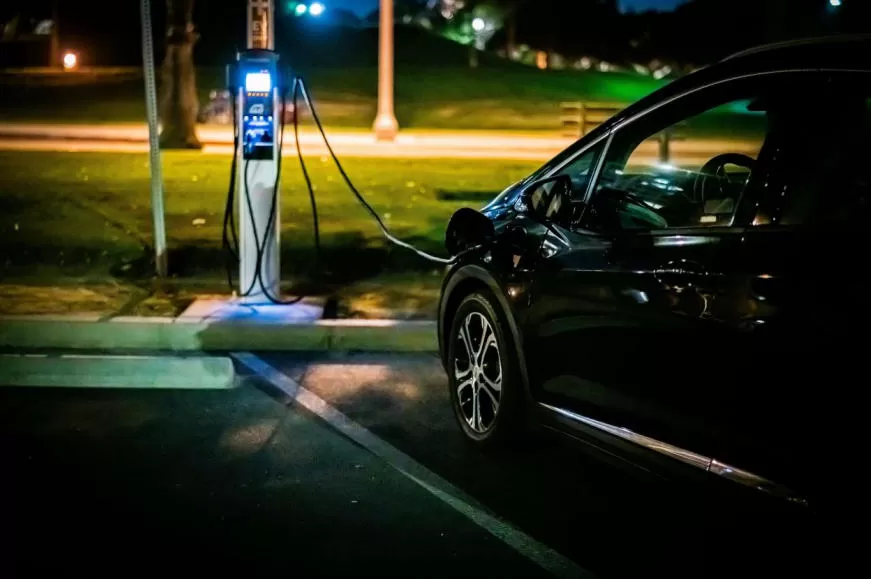
As the number of electric vehicles continues to grow, selecting the right charger depends largely on where and how it will be used.
Highway rest stops and commercial hubs: If your location serves drivers who are always on the move, a Level 3 charging station makes the most sense. By adding up to 300 kilometres of range in just 30 minutes, it keeps traffic flowing and ensures drivers can get back on the road quickly. For businesses like service stations, shopping centers, or busy parking facilities, Level 3 chargers not only meet customer demand but also help attract more visitors.
Homes and small workplaces: If vehicles typically remain parked for several hours, a Level 2 charging station is a more practical choice. For example, homeowners can charge overnight without worrying about downtime, while small businesses can provide convenient charging for employees or visitors during work hours. With straightforward installation and affordable costs, Level 2 chargers are ideal for daily use in low-traffic environments.
Choosing between Level 2 and Level 3 chargers depends on your charging needs, budget, and location. Level 2 chargers are an affordable and reliable solution for low-traffic areas like homes and small businesses. For high-traffic commercial spaces or locations that need fast charging, Level 3 chargers offer the speed and capacity to meet demand.
By understanding your specific situation and budget, you can make an informed decision that suits both your current and future needs.
 English
 Deutsch
 Español
 italiano
 русский
 português
 Svenska
 العربية
 Nederland
 norsk
norsk français