-
- En
-
-


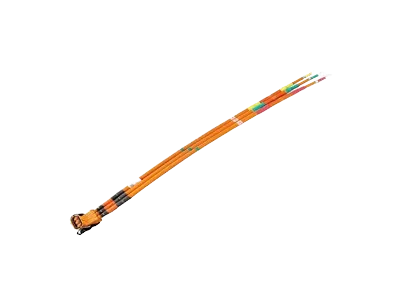
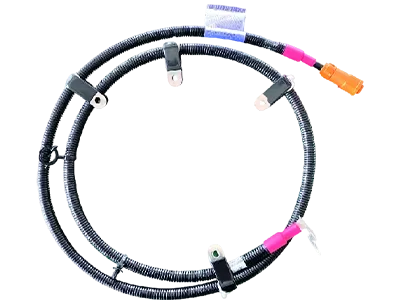
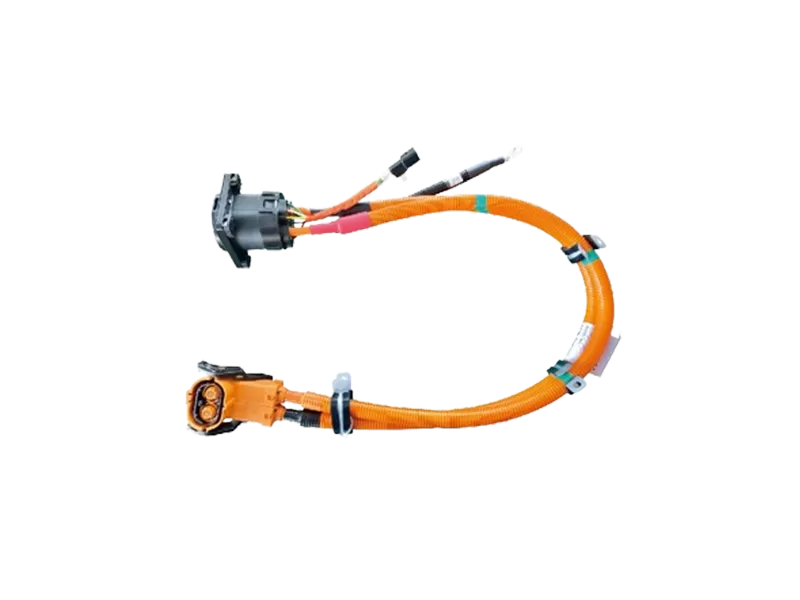
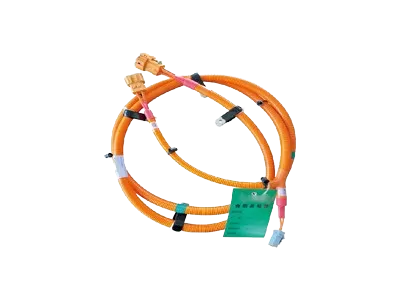
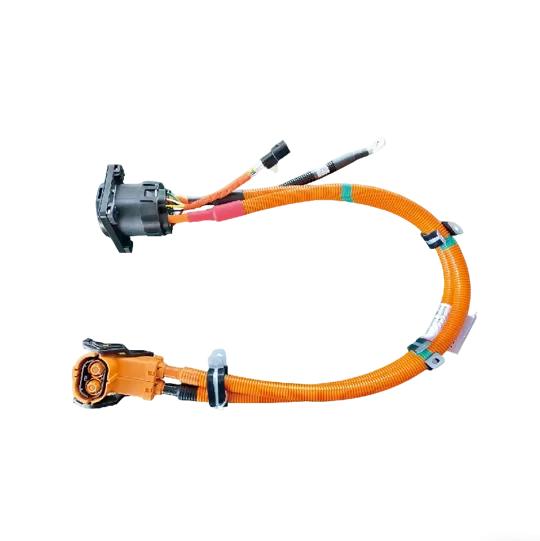
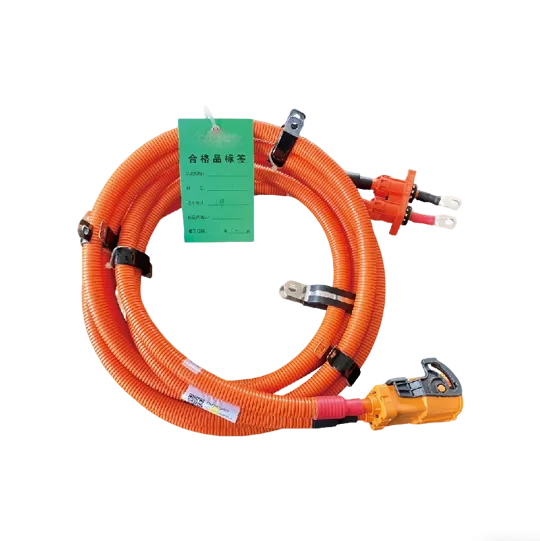
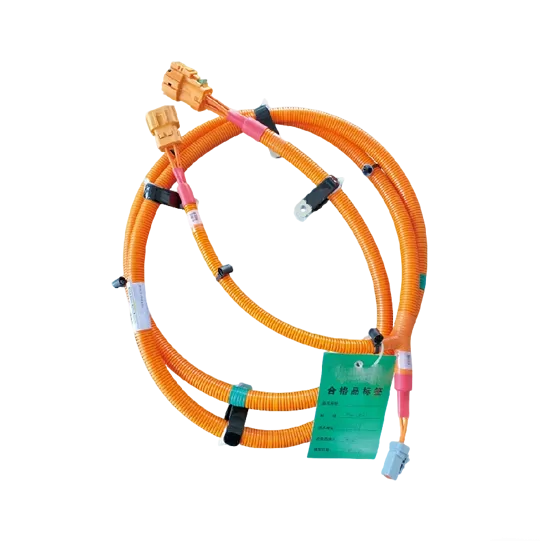

AUPINS electric vehicle charging accessories have obtained international certifications such as CE, UKCA, UL, and TÜV, ensuring global compliance. We also comply with Chinese CCC standards, meeting domestic market access requirements. If you require any specific certification support, please feel free to contact us; we will provide you with customized solutions.



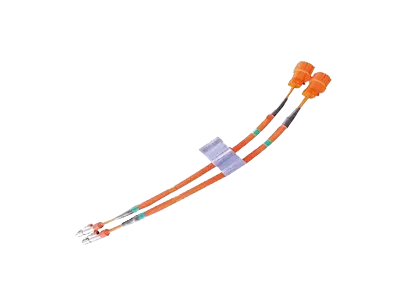
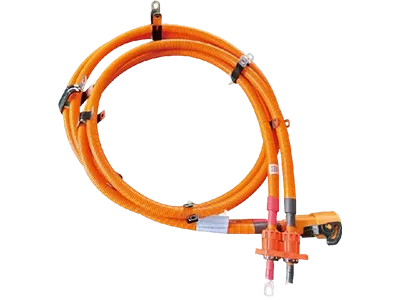
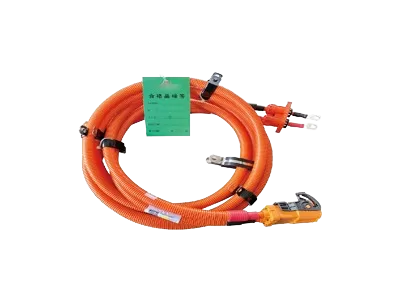
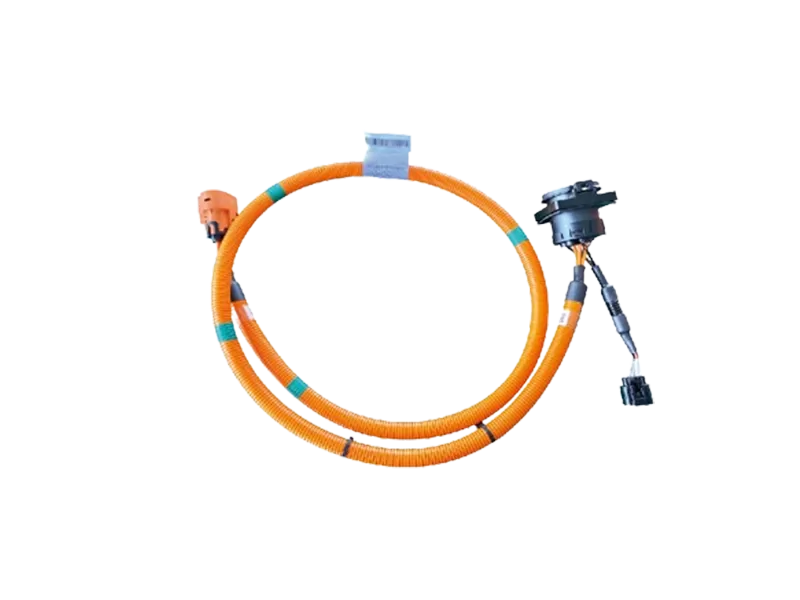
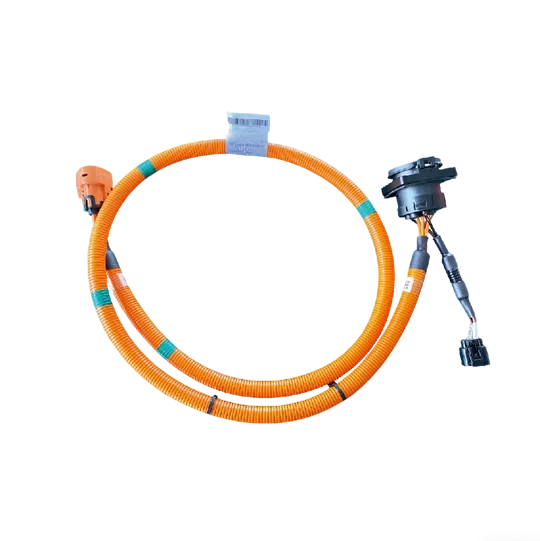
A high-voltage wiring harness is the "vascular system" of an electric vehicle. It refers to a specialized cable assembly used to connect high-voltage components such as the battery, motor, and charging interface, transmitting high voltage and high current. It is a critical channel for the transmission of high-voltage electrical energy in the entire vehicle.
The core is absolute safety and reliability. Its design priorities include excellent electrical insulation, electromagnetic shielding, high-temperature resistance, flame retardancy, and mechanical durability to withstand vehicle vibration.
The conductors typically use special copper alloys to reduce resistance and improve flexibility. The insulation layer uses high-performance materials (such as cross-linked polyethylene) to ensure stable insulation under high voltage and to withstand the extreme temperatures and chemical corrosion of the vehicle environment.
Multiple safeguards: Compliant with international (e.g., LV series) and national high-voltage safety standards; connectors feature high-voltage interlock (HVIL) functionality, automatically cutting off high-voltage power upon disconnection; and a prominent orange visual identifier to alert maintenance personnel.
They must pass a series of rigorous tests, including but not limited to high-voltage withstand, insulation resistance, salt spray corrosion, flame retardancy, vibration, and mechanical shock, to ensure safe operation throughout the vehicle's entire lifecycle.
Primarily connecting the power battery pack, on-board charger (OBC), motor controller, drive motor, DC-DC converter, and fast/slow charging interfaces, among other high-voltage core components.
Yes, we can provide fully customized design, development, and production based on the customer's vehicle layout, voltage platform (e.g., 400V/800V), current requirements, space constraints, and connector type.