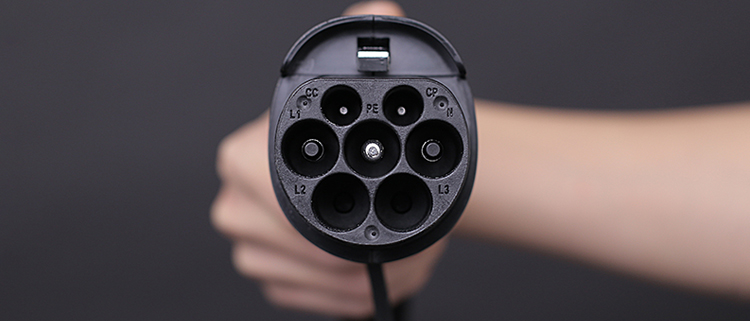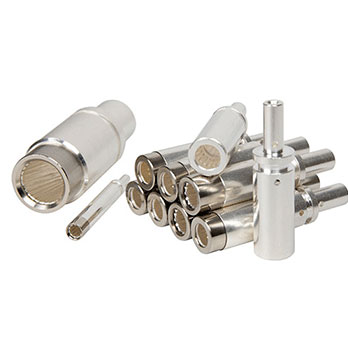
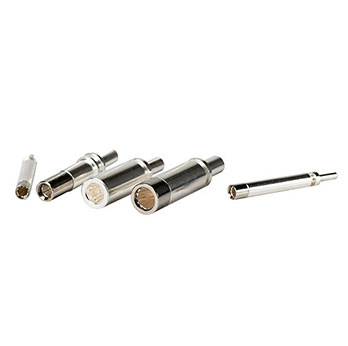
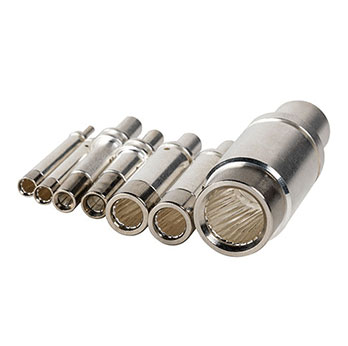
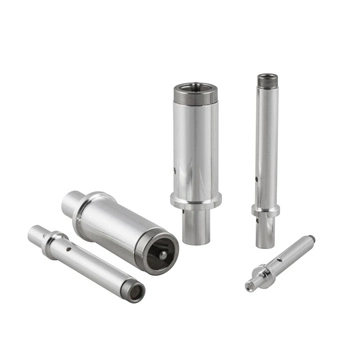
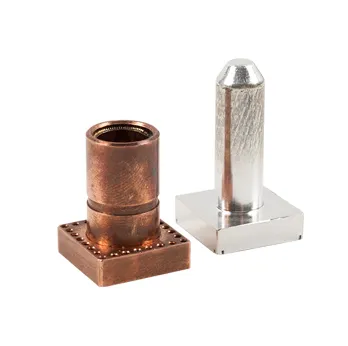



Brass Connector Pin For IEC EV Charging Plug
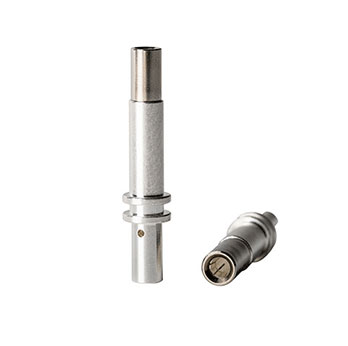
Contact Pins For Sae EV Charging Plug
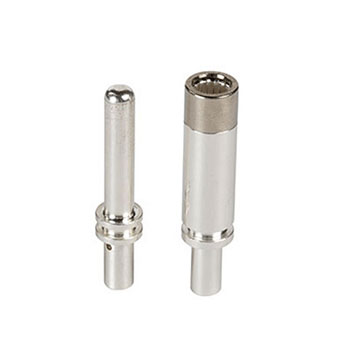
Charging Pin Connector For GB/T EV Charging Plug
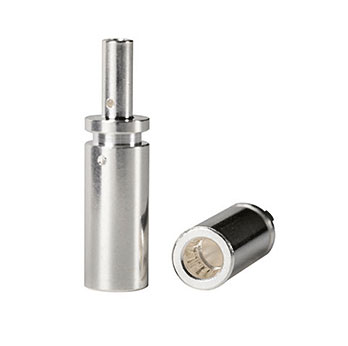
NACS Connector Pin For Tesla EV Charging Plug
Lamella Contact Pins
Hyperboloid Contacts
Crown Spring Pins
Energy Storage Socket Connector
Energy Storage Plug Connector
SS1 Series Connector for Energy Storage Connector
SS2 Series Connector for Energy Storage Connector
Custom Cable Harness Assembling
Wiring Harness Connector
EN50620 Cables
Electric Vehicle Charging Cable
Elevator & Conveyor Cable
Industrial Cables And Wires
AC Charging Connector
DC Charging Connector
Type 2 Open End Charging Cable
Type 2 -Type 2 Charging cable
CHAdeMo Connector
GB/T DC Charging Connector
NACS Vehicle Plug
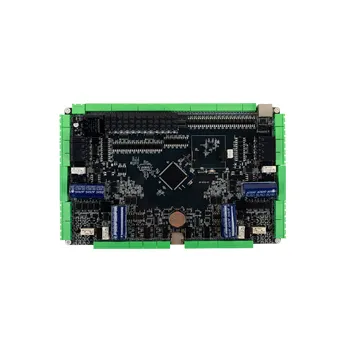
16 Core PCB Connectors
AUPINS Pogopin Hypertac Hyperboloid Contact
AUPINS Server Hashrate AI PCB Power Supply High Current Charging Terminal Pin
Mode 2 GBT Portable EV Charger
J1772 SAE Type 1 Portable EV Charger
IEC62196 Type 2 Portable EV Charger
DC EV Charger
AC Socket Cable(AC Socket→Battery)
PDU Cable(Battery→Motor)
Motor Wire
PTC Cable(Battery→Air Conditioner)
DC Socket Cable(DC Socket→Battery)
Ground Wire
Three Phase Power Line
Air Pump Line→Compressor
CHAdeMO DC Charging Socket
GB/T AC Charging Socket
GB/T AC Electronic Lock
GB/T DC Charging Socket
SAE AC Charging Socket
CCS1 DC Charging Socket
IEC AC Charging Socket
CCS2 Charging Socket
IEC Electronic Sockets
NACS Vehicle Charging Socket
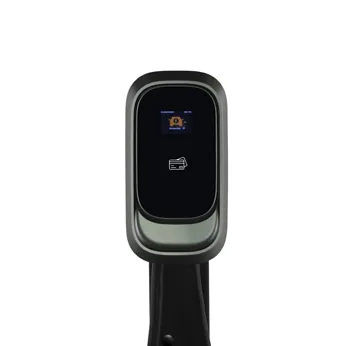
AUPINS A5 Series Portable EV Charger
AUPINS C5 Series AC Wall-mounted Charger
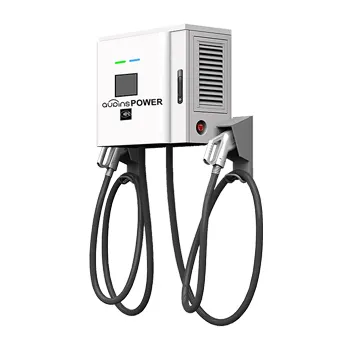
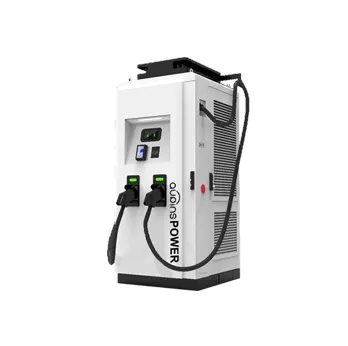
AUPINS EF040 Series Public DC Fast EV Charger
AUPINS EF160 Series DC Fast Charger
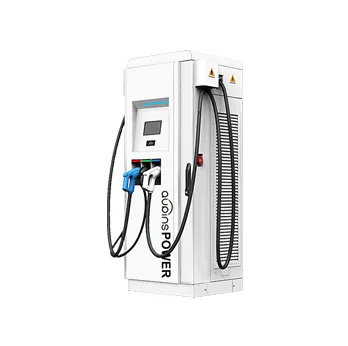
AUPINS EF400 series 360 kw/400kw Public DC Quick Charger
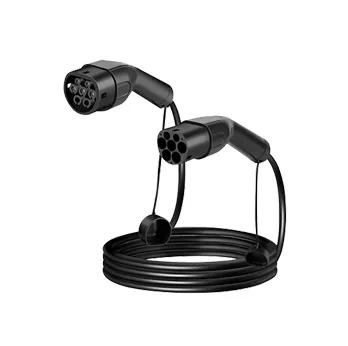
AUPINS S Series Type 2 IEC 62196 Charging Cable
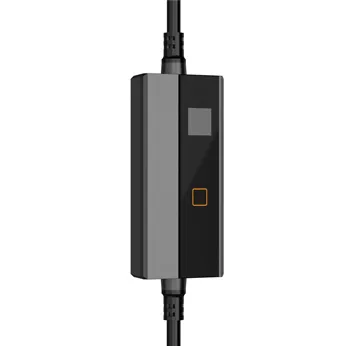
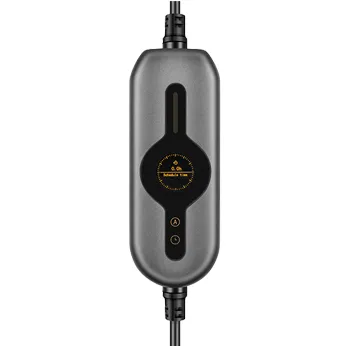
AUPINS T3 Series Portable Charger Mode2 Pro
First, the metal material is stretched into a single wire of a specified diameter through a wire drawing machine; then annealing is performed to increase its flexibility; and then multiple single wires are twisted into a single wire to enhance its mechanical strength. The insulation process includes wrapping the insulating material around the outside of the wire, using an extruder to ensure that the material is evenly distributed, and cooling and solidifying to form a solid insulation layer. The manufacturing of the shielding layer is to tightly wrap materials such as metal braided mesh or aluminum foil around the outside of the insulation layer. This step requires close contact between the shielding material and the wire to effectively reduce electromagnetic interference. Connectors are installed at both ends of the high-voltage wire harness to connect to other electrical systems of the vehicle. The manufacture of the wire harness connector relies on precision machining and injection molding technology, which can ensure its accuracy. During the assembly process, it is necessary to ensure that the contact between the wire and the connector is close and seamless, thereby reducing contact resistance and improving conductivity.
Wire material: The high-voltage wiring harness design of new energy vehicles uses high-purity copper or aluminum as the main conductive material to meet the needs of high current and high voltage transmission. Copper wires are widely used due to their excellent conductivity and mechanical strength, while in some specific applications, lightweight and low-cost aluminum wires also show their advantages. In order to ensure the safe use of high-voltage wiring harnesses, the outer layer of the wire is wrapped with insulating materials. These insulating materials mainly include cross-linked polyethylene (XLPE), polyvinyl chloride (PVC) and ethylene propylene rubber (EPR). In the application of new energy vehicles, cross-linked polyethylene is particularly valued for its excellent electrical properties and heat resistance.
Shielding material: In automobile manufacturing, in order to reduce the negative impact of electromagnetic interference (EMI) on vehicle electronic systems, high-voltage wiring harnesses are designed to use specific shielding materials. These materials can effectively absorb and block electromagnetic waves, thereby significantly reducing electromagnetic interference. Commonly used shielding materials include metal braided mesh, aluminum foil and conductive cloth, etc., each of which contributes to the minimization of electromagnetic interference in different ways to ensure the stability and reliability of vehicle electronic systems.
Sheath material: The sheath is an important component of the high-voltage wire harness, and its main function is to protect the wire harness from the adverse effects of the external environment. In order to ensure its performance, the sheath should have a variety of characteristics, including weather resistance, abrasion resistance, oil resistance and flame retardancy. Common sheath materials on the market are mainly polyvinyl chloride (PVC), thermoplastic elastomer (TPE) and nylon. These materials have their own characteristics, but they are all designed to provide the necessary protection to maintain the normal operation of the high-voltage wire harness.