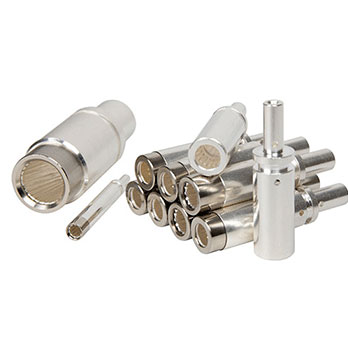
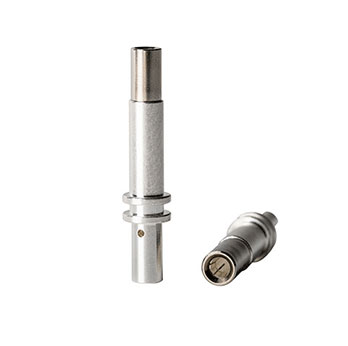




Brass Connector Pin For IEC EV Charging Plug
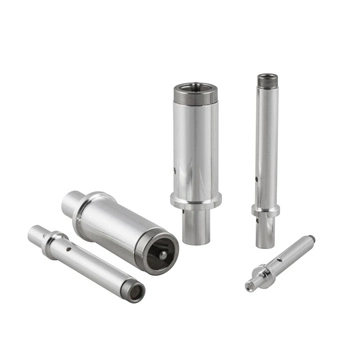
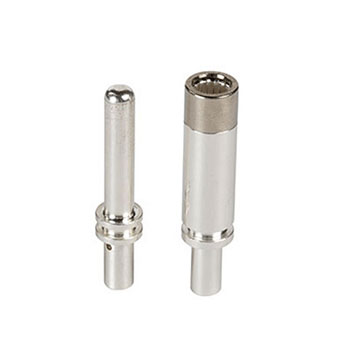
Contact Pins For Sae EV Charging Plug
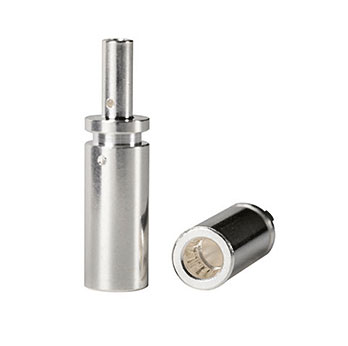
Charging Pin Connector For GB/T EV Charging Plug
NACS Connector Pin For Tesla EV Charging Plug
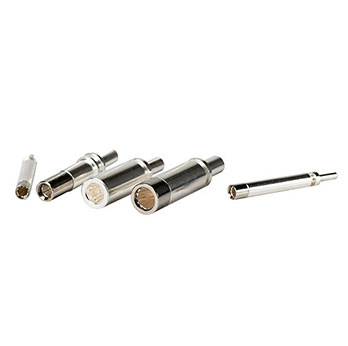
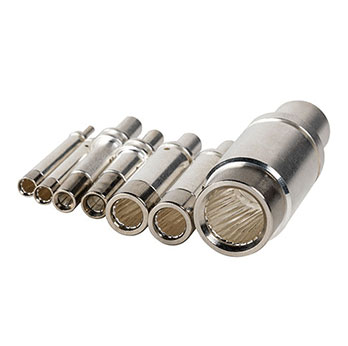
Lamella Contact Pins
Hyperboloid Contacts
Crown Spring Pins
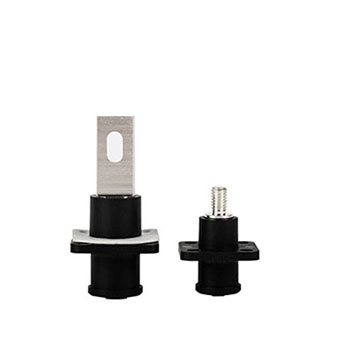
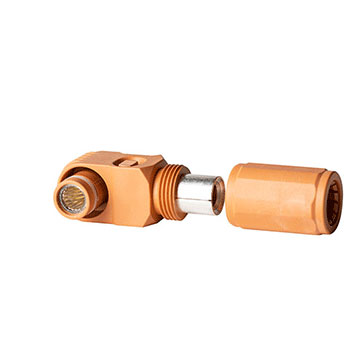
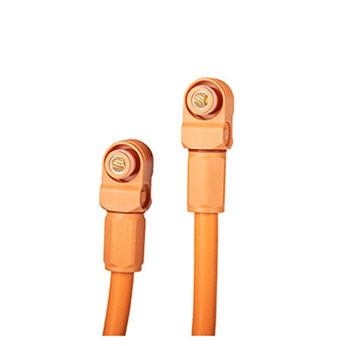
Energy Storage Socket Connector
Energy Storage Plug Connector
SS1 Series Connector for Energy Storage Connector
SS2 Series Connector for Energy Storage Connector
Custom Cable Harness Assembling
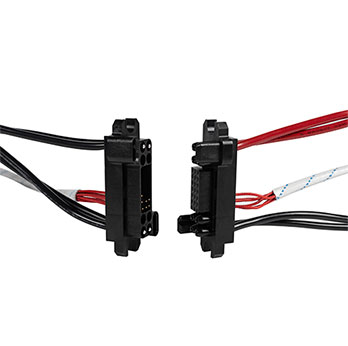
Wiring Harness Connector
EN50620 Cables
Electric Vehicle Charging Cable
Elevator & Conveyor Cable
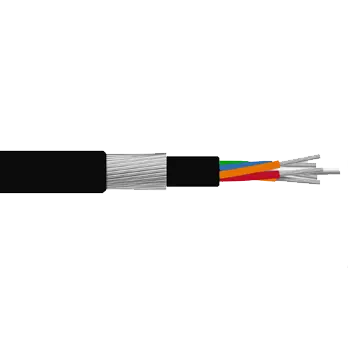
Industrial Cables And Wires
AC Charging Connector
DC Charging Connector
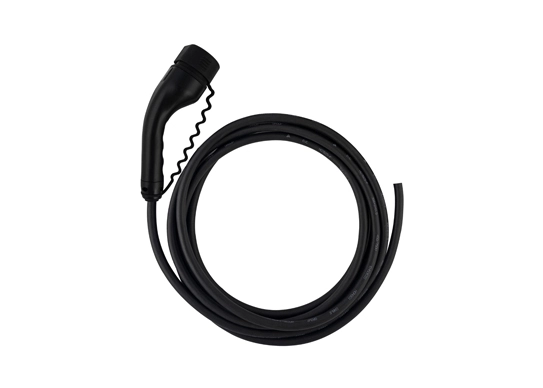
Type 2 Open End Charging Cable
Type 2 -Type 2 Charging cable
CHAdeMo Connector
GB/T DC Charging Connector
NACS Vehicle Plug
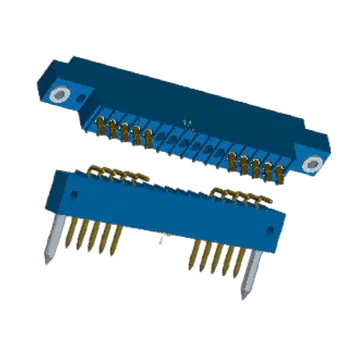
16 Core PCB Connectors
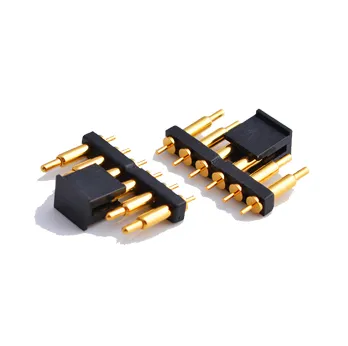
AUPINS Pogopin Hypertac Hyperboloid Contact
AUPINS Server Hashrate AI PCB Power Supply High Current Charging Terminal Pin
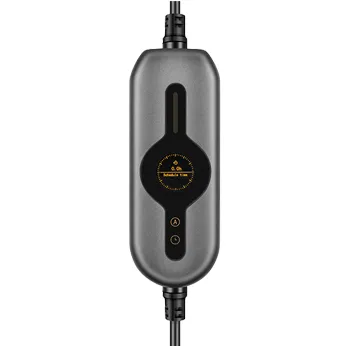
Mode 2 GBT Portable EV Charger
J1772 SAE Type 1 Portable EV Charger
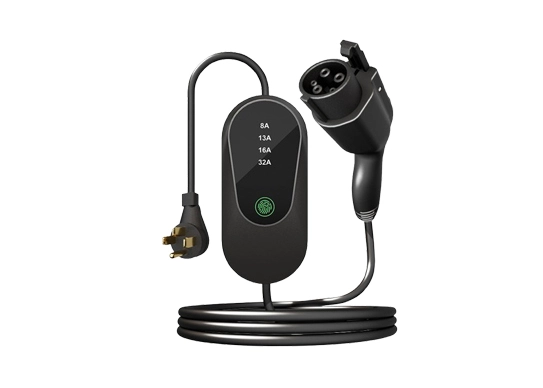
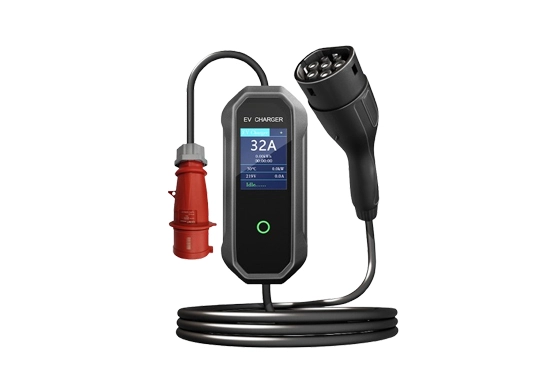
IEC62196 Type 2 Portable EV Charger
DC EV Charger
AC Socket Cable(AC Socket→Battery)
PDU Cable(Battery→Motor)
Motor Wire
PTC Cable(Battery→Air Conditioner)
DC Socket Cable(DC Socket→Battery)
Ground Wire
Three Phase Power Line
Air Pump Line→Compressor
CHAdeMO DC Charging Socket
GB/T AC Charging Socket
GB/T AC Electronic Lock
GB/T DC Charging Socket
SAE AC Charging Socket
CCS1 DC Charging Socket
IEC AC Charging Socket
CCS2 Charging Socket
IEC Electronic Sockets
NACS Vehicle Charging Socket
AUPINS A5 Series Portable EV Charger
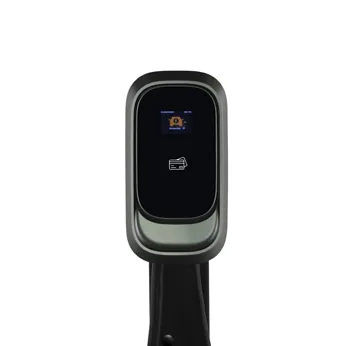
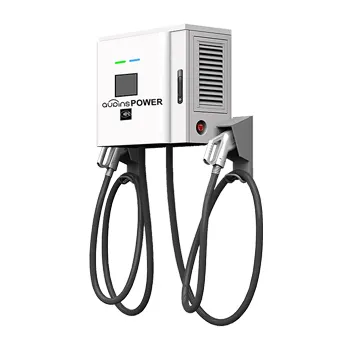
AUPINS C5 Series AC Wall-mounted Charger
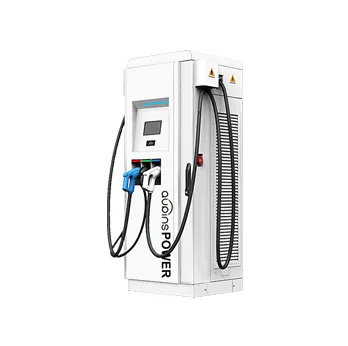
AUPINS EF040 Series Public DC Fast EV Charger
AUPINS EF160 Series DC Fast Charger
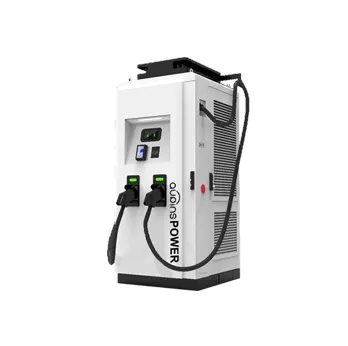
AUPINS EF400 series 360 kw/400kw Public DC Quick Charger
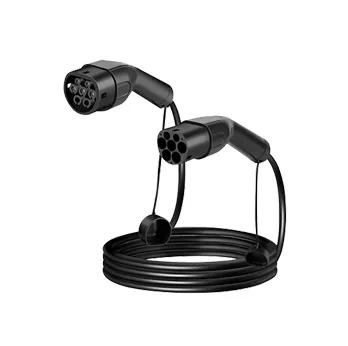
AUPINS S Series Type 2 IEC 62196 Charging Cable
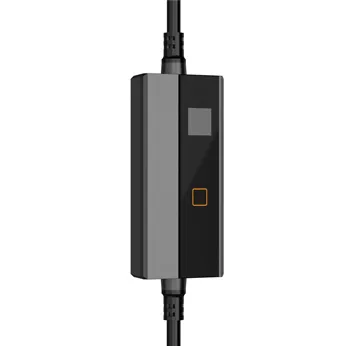
AUPINS T3 Series Portable Charger Mode2 Pro
As electric bikes become increasingly integral to our daily commuting landscape, the economic impact of advanced charging cables cannot be overstated. These cables, designed with cutting-edge technology and enhanced features, are emerging as a catalyst for efficiency, not only in the charging process but also in the broader economic considerations associated with electric bike charging cable ownership.
One of the most pronounced economic benefits of advanced electric bike charging cables lies in their ability to minimize downtime. With faster charging times facilitated by innovative technologies, riders spend less time waiting for their electric bikes to recharge. This reduction in downtime translates directly to increased productivity, particularly for those relying on electric bikes for daily commuting or professional purposes. Whether it's a quick recharge during a lunch break or a swift top-up before the next delivery, advanced charging cables enable riders to optimize their time on the road, ultimately contributing to enhanced work efficiency and economic productivity.
The advanced electric bike charging cable is often built with high-quality materials, durability, and longevity in mind. This translates to a longer lifecycle for the cables, reducing the frequency of replacements. While the upfront cost of advanced cables may be higher, the long-term economic impact is substantial. Riders benefit from reduced expenditure on replacements, contributing to overall cost savings over the lifespan of the electric bike. This makes the adoption of advanced charging cables not just a short-term investment but a strategic financial move for riders and fleet operators alike.
In the pursuit of sustainability, like elevator power cable, advanced electric bike charging cables play a role in optimizing energy efficiency. These cables often incorporate technologies that enhance the efficiency of the charging process, minimizing energy loss and ensuring that a higher percentage of the electricity is effectively transferred to the bike's battery. As energy costs continue to be a significant economic consideration, the ability to charge electric bikes in a more energy-efficient manner contributes to long-term cost savings for riders and businesses operating e-bike fleets.
Advanced charging cables often come equipped with smart connectivity features, allowing users to monitor and control the charging process remotely. This level of connectivity enables proactive maintenance strategies, as riders can receive real-time updates on battery health and charging status. By identifying potential issues early on, riders can address them before they escalate, minimizing the need for costly repairs or replacements. This proactive approach to maintenance contributes to a cost-effective and economically sustainable electric bike charging cable ownership experience.
In the context of fleet operations or shared electric bike services, the compatibility of advanced charging cables across various e-bike models is a significant economic advantage. This interoperability reduces the complexity of managing charging infrastructure, as a single type of charging cable can be used for multiple bike models. It streamlines operations, reduces the need for extensive cable inventories, and ultimately minimizes costs associated with maintaining diverse charging solutions for different e-bike models.
In conclusion, the economic impact of advanced electric bike charging cables extends far beyond the immediate charging process. These cables act as strategic investments, boosting productivity, minimizing replacement costs, optimizing energy efficiency, and enhancing overall user experience. As the adoption of electric bikes continues to rise, the economic advantages of advanced charging cables position them as integral components in the sustainable and cost-effective future of electric mobility. Riders, businesses, and fleet operators stand to gain not only from the convenience of faster charging but also from the long-term economic resilience afforded by embracing cutting-edge charging solutions for their electric bikes.