-
- En
-
-

Copper busbars are an important electrical component used for power transmission and distribution. Their flat shape and high-quality copper material give them special electrical conductivity and thermal conductivity. Copper busbars are widely used in power systems in various fields and play an irreplaceable role.
First, copper busbars have excellent electrical conductivity. Compared with ordinary wires and cables, copper busbars can provide lower resistance and higher conductivity due to their planar structure and large area of conductive materials. This can not only reduce power loss and improve system efficiency, but also ensure that current loss is reduced during high current transmission and improve the stability and reliability of power transmission.
Secondly, copper busbars have excellent thermal conductivity. In high-power electrical equipment or high-density electronic equipment, it is inevitable to generate a lot of heat. Through its high thermal conductivity, copper busbars can effectively dissipate the heat generated by heat-generating components quickly and disperse it to a wider area to maintain the normal operating temperature of the equipment. This helps to extend the service life of the equipment and improve the reliability and stability of the equipment.
In addition, copper busbars also have the advantages of high strength, corrosion resistance, and good heat resistance. Its high strength enables it to withstand large current loads and mechanical pressures, and it can still maintain stable power transmission in complex working environments. At the same time, copper busbars have good corrosion resistance to common corrosive media such as water, oxygen, acid, alkali, etc., and can be used for a long time in harsh environments. In addition, copper busbars can also withstand high temperature conditions and maintain good electrical conductivity and structural stability.
In terms of application, copper busbars are widely used in power systems and electronic equipment in various fields. In power distribution systems, copper busbars, as the main current conductor, are used to connect transformers, switchgear, capacitors and other components to achieve the distribution and transmission of electric energy. In electronic equipment, copper busbars are used as heat dissipation conductors for high-power electronic devices to connect heat-generating components to the cooling system.
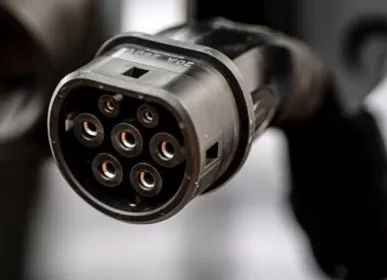
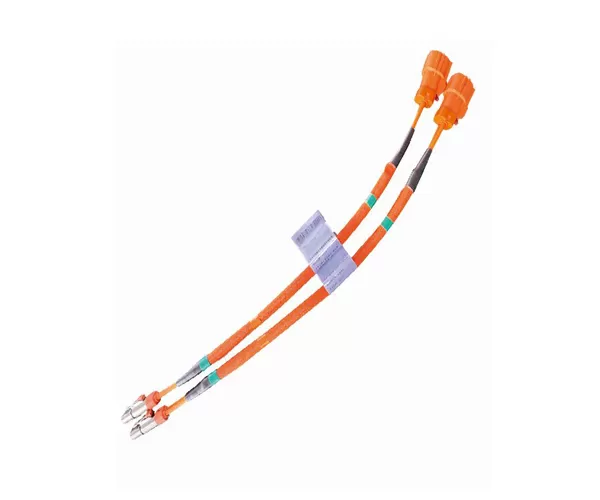
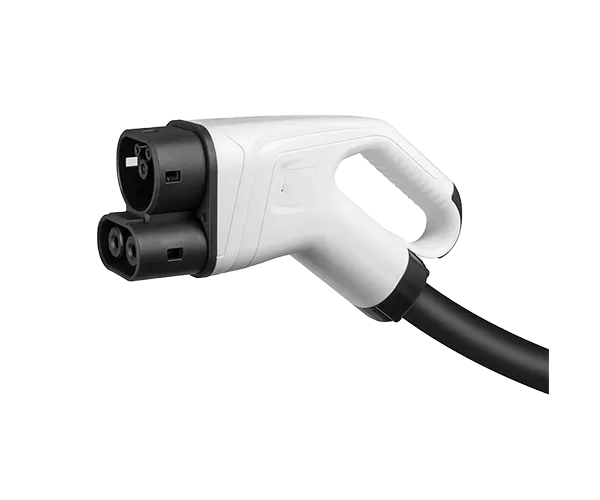
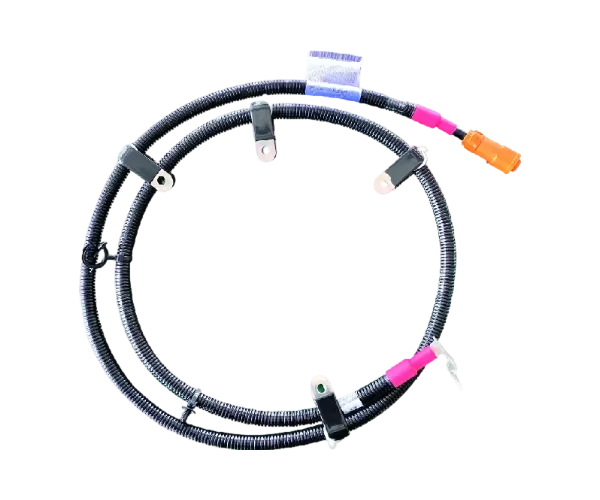
In energy storage devices, large-capacity battery packs are usually used to store electrical energy. Copper busbars are used as connecting materials, for instance, ev battery connectors, between batteries to provide a low-impedance current transmission path, which helps to reduce energy loss and improve the overall efficiency of the battery. Moreover, during the charging process of energy storage devices, copper busbars are also used to connect power sources and battery packs to transmit electrical energy for battery charging. This requires copper busbars to have good conductivity and stable connection performance to ensure the efficiency and safety of the charging process.
In addition, copper busbars are also used in electric vehicles, solar and wind power generation systems and other fields to meet the needs of high current and high power transmission.