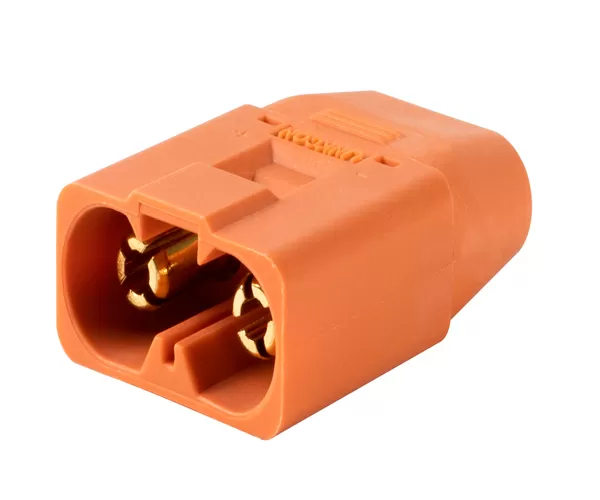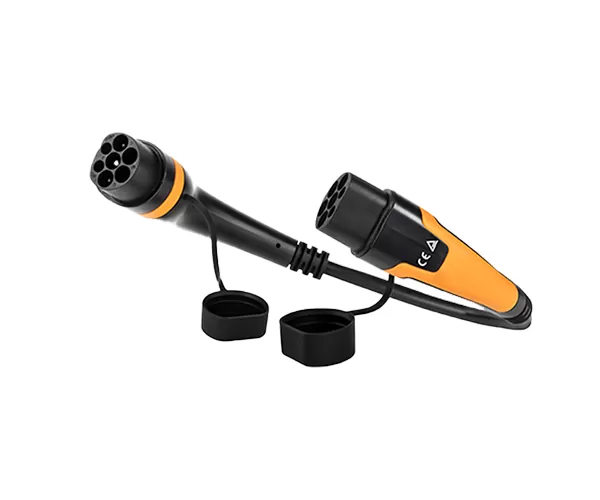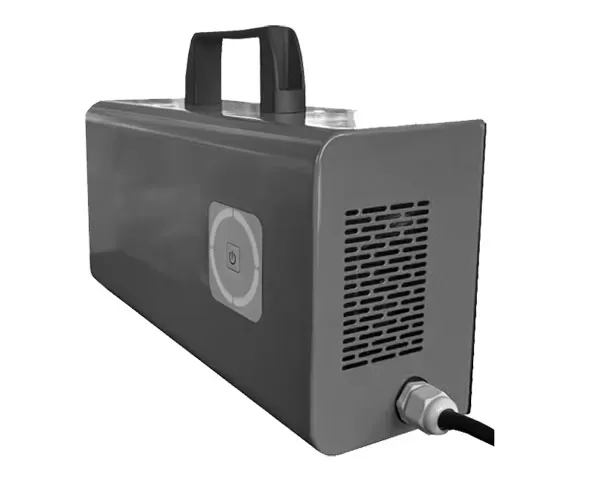
The automotive wiring harness is the network body of the automotive circuit and the carrier of the automotive circuit. The automotive wiring harness is the bridge and link for the operation of the vehicle's electrical components and the nervous system for the transmission and distribution of the vehicle's power and signals. The high-voltage wiring harness can be configured in the internal and external wiring harness connections of electric vehicles according to different voltage levels. It is mainly used for the internal wiring harness signal distribution of the distribution box, efficient and high-quality transmission of electric energy, and shielding of external signal interference. The high-voltage connection system consists of high-voltage wiring harnesses and connectors.
Since high-voltage wiring harnesses are so important, what are the key points to pay attention to during the production process?
When the temperature rise of the connector is high, the safety characteristics will be reduced or even damaged. There are two main reasons for the high temperature rise:
Environmental factors: The layout position is easily affected by the temperature of the components or in a sealed cabin, such as the hybrid exhaust port. Usually, the operating temperature range of the connectors of various manufacturers is -40℃~125℃ (175℃max), so when choosing a connector, its operating temperature range must be considered.
Connector self-heating: There are many reasons for the connector's own heating. We can judge that it exists at three points through the connection scheme: the board end connection point, the line end connection point, and the middle plug-in point. The measurement indicator is the contact resistance between the connectors. The smaller the contact resistance, the better, which means the smaller the power loss, the smaller the voltage drop, and the terminal can have a longer life.
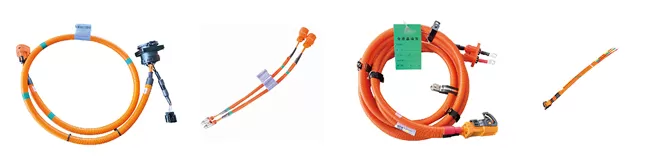
For the crimping of the line segment, there are often most wiring harness factories. The quality of the crimping will directly affect the size of its contact resistance. We cannot judge that the crimping is reliable only by the pull-off force and other conditions meeting the requirements. We must do a detailed terminal mirror slicing test and carefully determine the degree of terminal crimping qualification.
For the connection of the board end, it is usually connected to the high-voltage box or the inside of the equipment. The connection method is mostly copper busbar bolt connection. When using bolt connection, it is recommended to use loose bolts to prevent loosening due to working vibration and increase contact resistance, and also avoid load on the electrical connection part. At the same time, excessive torque must be prevented during bolt connection.
For high-voltage systems, shielding should give priority to the rationality of the layout of the system, followed by the requirements for high-voltage cables and high-voltage connectors. The connector must have a 360° shielding layer and be effectively connected to the cable shielding layer. The shielding layer covers the entire connection length to ensure sufficient shielding function and minimize the resistance between the shielding interfaces. During the product life cycle, the shielding connection contact resistance is <10mΩ.

 English
 Deutsch
 Español
 italiano
 русский
 português
 Svenska
 العربية
 Nederland
 norsk
norsk français