Our charging cables have obtained international certifications including CE, UKCA, UL, and TÜV, ensuring global compliance. As one of the leading EV charging cable manufacturers, AUPINS also meet China's CCC standards for domestic market access. Should you require any specific certification support, please feel free to contact us for customized solutions.
Yes. We have a professional Pre-sales service team and after-sales technical support. We are committedto customer-centered, and providing 24/ 7 effective response, quick response, flexibility, and reliability.
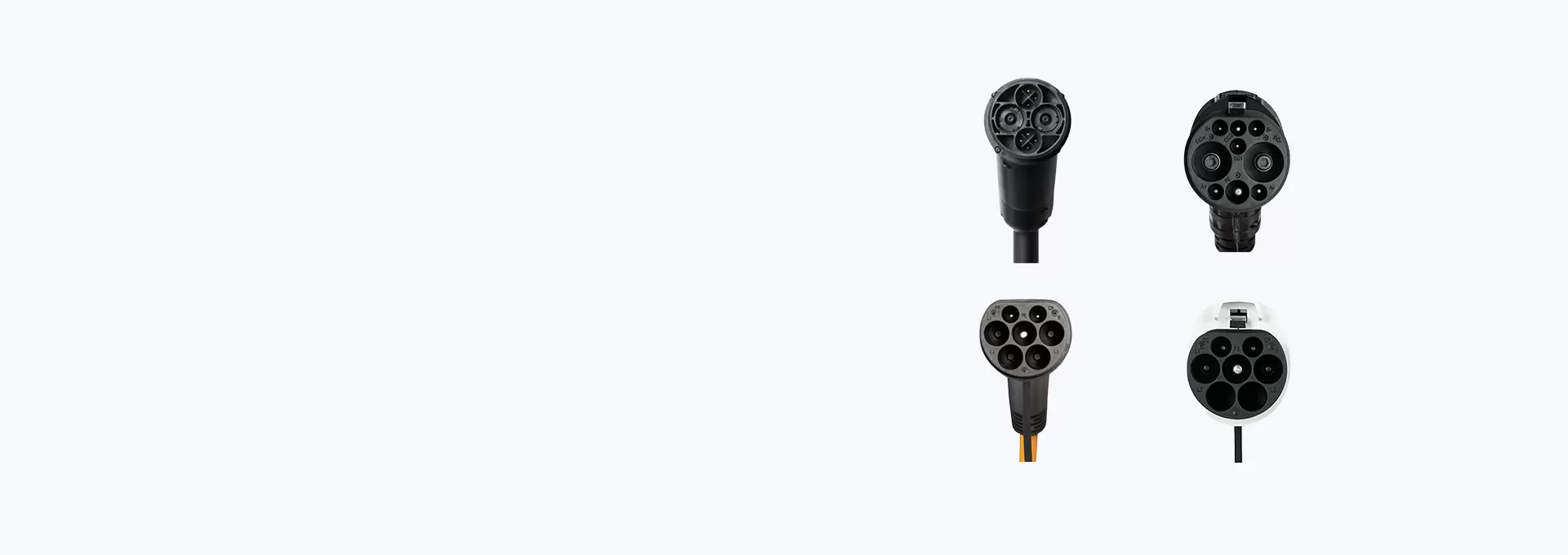
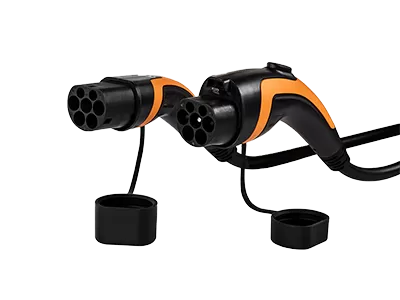
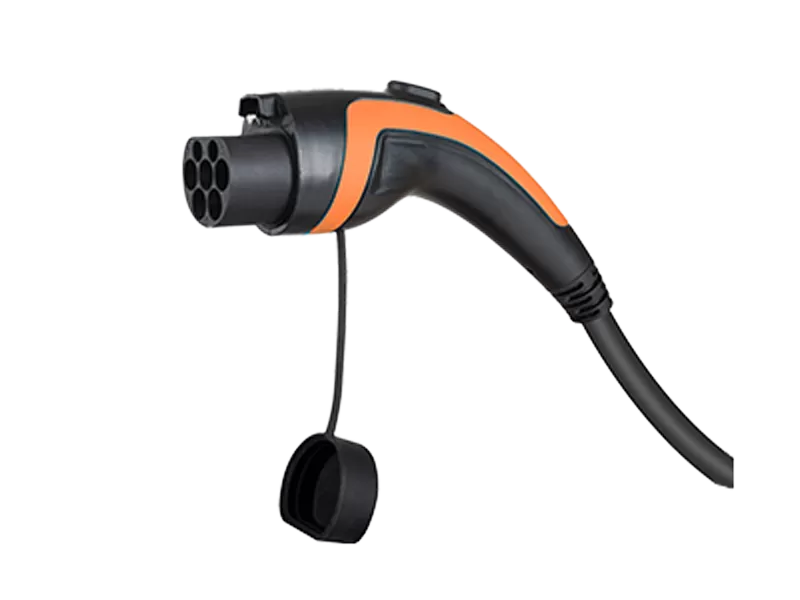
We provide a full range of cables including Type 2 to Type 2, Type 1 to Type 2, and Type 2 to domestic socket models, compatible with all major EV brands and public charging stations.
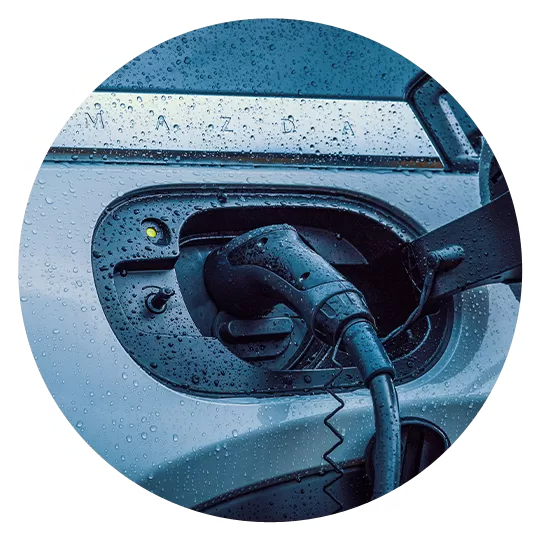
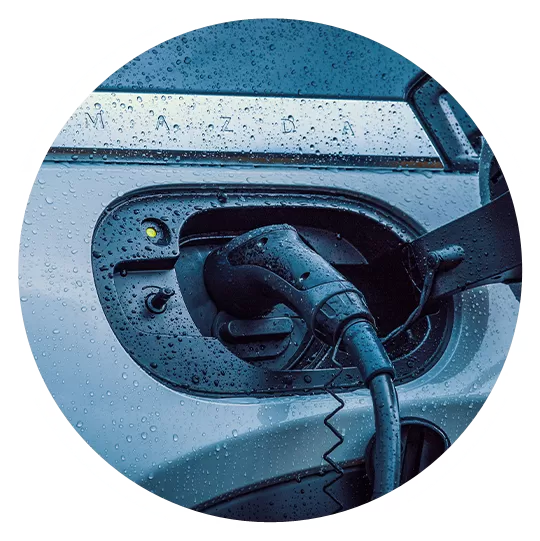
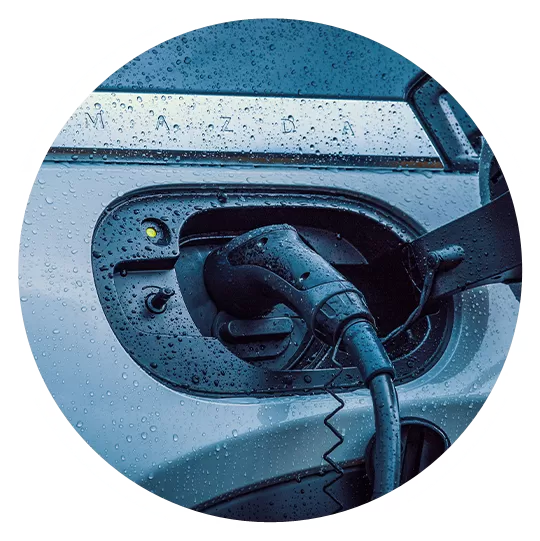
Yes. Our cables feature IP67-rated connectors and weather-resistant jackets that withstand rain, UV exposure, and temperature extremes from -30°C to 50°C.
Aupins manufacture facility owns the ISO 9001:2015 and TUV / CE certificates. Product quality is our responsibility to any customers.
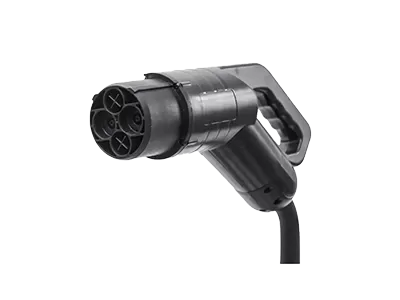
Our EV AC charging cables support up to 22kW (32A) for faster home/workplace charging, while EV DC charging cables are optimized for high-power rapid charging stations.
We use industrial-grade materials with 10,000+ plug/unplug cycle ratings, reinforced strain relief, and anti-scratch housings to ensure long-term reliability.
Yes. We provide custom lengths from 3m to 10m, with options for custom branding, colors, and packaging to meet specific project requirements.
Our sales center is located in Nanjing, and manufacture factory facility is closely nearby. Know more about AUPINS
Depending on the product and production capacity, the production cycle may vary. You can contact usto provide you with a detailed production cycle.
We will recommend our standard products according to your needs, and if they are not suitable, you can also customize them with separate drawings according to your needs. Know more about custom service
 English
 Deutsch
 Español
 italiano
 русский
 português
 Svenska
 العربية
 Nederland
 norsk
norsk français