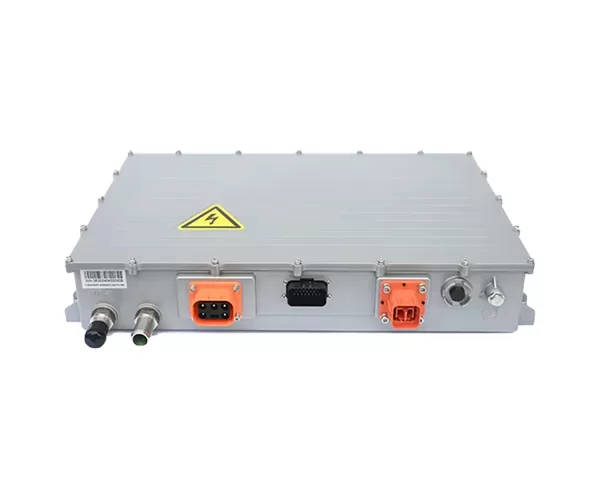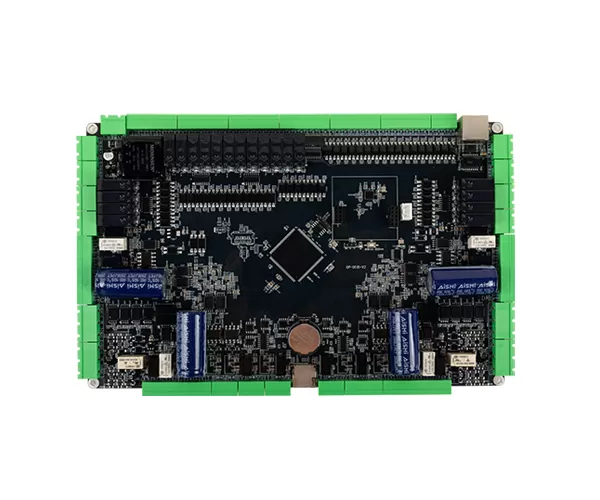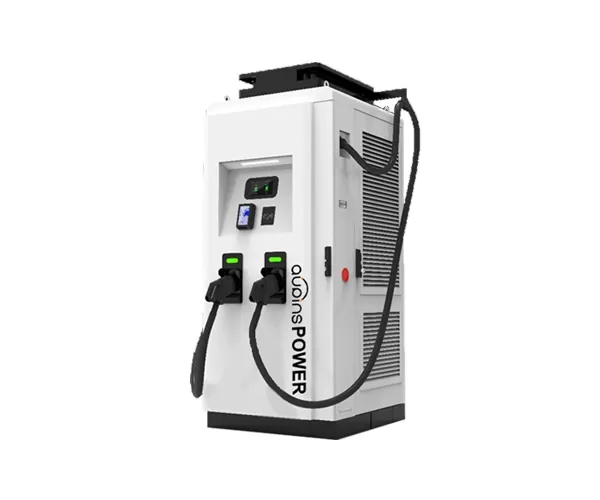
Energy storage connector completes circuitry by connecting electrical components to its power source. For consumer electronics products, connectors typically refer to the connection where the product "plugs in" to the battery, or more commonly, refers to the power source in a wall. Some types of connectors carry both power and data, but energy storage connectors have more specialized purposes: they allow electronic devices to operate.
The many varieties of energy storage connectors on the market have many differences in structure, orientation, and purpose. Some connectors can resist physical damage caused by water, shock, or vibration; others can tolerate only a limited number of connects and disconnects before possible failure.
(1)Connection duration (temporary or permanent);
(2)Location of the conductive interface (male or female);
(3)Current type (alternating or direct);
(4)Assembly and disassembly methods.
A correct pin arrangement is essential for the energy storage connector to perform its function correctly. The pin arrangement is the connection arrangement that each connector can make within the circuit, with each wire connecting to its respective contact or pin within the connector.
Since the wires may have different uses and characteristics, the function of the connectors and the entire circuit is essential, with each pin matched to the correct contact.
Wire harness connector manufacturers use several different methods to create these wire connections, such as:
(1)Welding.
(2)Puncturing or moving insulation around the contact.
(3)wire-wrap connection.
Choosing the appropriate connection method depends on the end of the connector. The terminal exposed pins are just enough to complete a circuit, but not enough to create a hazardous connection that is prone to damage during normal use, or accidentally being unplugged.
Incorrectly connected pins can damage electrical components. To prevent incorrect connections, some connectors have special mechanical adjustments that allow the connector to be connected only to the pins assigned to the correct match, angle, and direction. Some connectors are called "keyed" or "polarized" connectors.
(1)Structure: a female connector for receiving pins or blades to complete the circuit.
(2)Blade: a flat, conductive metal piece that can be installed within blade sockets to complete the circuit.
(3)Pin: a conductive cylinder that is mounted as part of the connection within the jack.
(4)Socket: a plug or connector socket that is typically the least-moving part within the connector.
(5)Plugs: may contain multiple sockets, terminations of pins or blades. Plugs are inserted into sockets.
p r e v
 English
 Deutsch
 Español
 italiano
 русский
 português
 Svenska
 العربية
 Nederland
 norsk
norsk français