-
- En
-
-

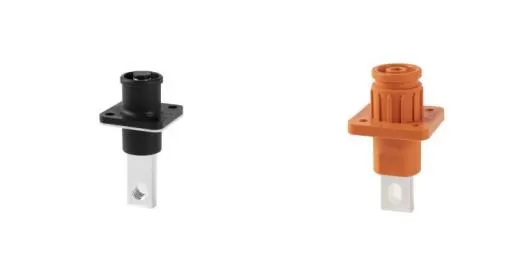
Many people think that there are too many types of energy storage connectors and the manufacturing processes should be different. In fact, the manufacturing processes of energy storage connectors are basically the same and can be divided into four manufacturing processes: stamping, electroplating, injection molding, and assembly.
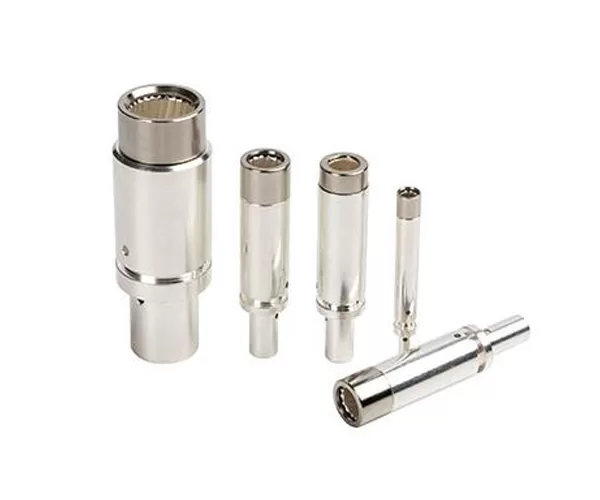
Stamping is to use a large high-speed stamping machine to stamp the electronic energy storage connector (pin) from a thin metal strip. One end of the large roll of metal strip is fed into the front end of the stamping machine, and the other end passes through the hydraulic workbench of the stamping machine and is wound into the take-up wheel. The take-up wheel pulls out the metal strip and rolls it up to stamp out the finished terminal.
After the energy storage connector pins are stamped, they should be sent to the electroplating stage. During the electroplating stage, the electronic contact surface of the energy storage connector will be plated with various metal coatings, such as nickel plating, tin plating, and semi-gold plating, to prevent oxidation and enhance conductivity. In the process of sending the stamped pins into the electroplating equipment, the pins will also be twisted, broken or deformed. These quality defects can be easily detected by the above technology.
Injection molding refers to the plastic box seat of the electronic energy storage connector being formed by injecting molten plastic into a metal tire film and then rapidly cooling it.
Also pay attention to detecting "leakage" (Short Shots) when the molten plastic does not completely fill the film, which is a typical defect that needs to be detected during the injection molding stage. Other defects include full or partial blockage of the socket (these sockets must be kept clean and unobstructed to properly connect with the pins during final assembly).
The final stage of the manufacture of electronic energy storage connectors is the assembly of the finished product. There are two ways to connect and assemble the electroplated pins to the injection molded box seat: the first is to insert individually, that is, to insert one pin at a time;
The second is a modular combination plug, which means that multiple pins are connected to the box socket at the same time. Regardless of the connection method used for assembly, ensure that all pins cannot be missing and must be positioned correctly.