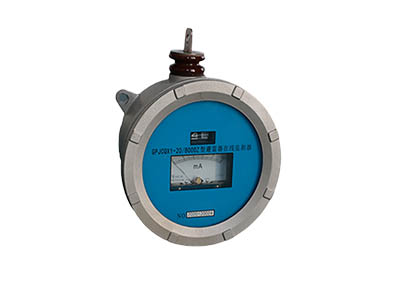
In recent years, fire accidents caused by electric vehicles have occurred frequently, and 80% of the fires are caused by charging. Experiments have shown that an open flame occurs 30 seconds after the electric bicycle is charged with a circuit failure, and the poisonous gas generated by the combustion is enough to suffocate people to death within 100 seconds, and the highest instantaneous temperature reaches 1200 degrees Celsius after 4 minutes. Among the many reasons for the danger of charging, the improper use of chargers occupies a large proportion.
Therefore, the correct use of electric bike chargers for charging is related to the normal operation of the product, and even the safety of residents' lives and properties. Consumers should pay attention to the following points when operating:
Charging for a long time may cause the battery to be overcharged, resulting in a bulge of the battery, which may cause a fire accident in severe cases, especially when it is unattended at night and in the early morning, it is most likely to be dangerous.
We should try to charge in the daytime and when someone is caring to avoid long-term charging, and disconnect the charger in time after full charge to reduce the risk of accidental safety accidents.
Chargers generally do not have waterproof and moisture-proof performance. Charging in humid environments, especially in rainy environments, can easily cause internal short circuits or even leakage of chargers, causing safety accidents.
When consumers are charging, it is best to arrange electric vehicle and electric bike chargers in a ventilated environment to avoid charging the vehicle in wet conditions such as rain.
High temperature charging is one of the main reasons for electric bicycles to catch fire. The long-term exposure of electric bicycles to the sun will increase the pressure on the battery, and in severe cases, it can also lead to spontaneous combustion during charging.
We should try to avoid charging in a high temperature environment, especially in a high temperature environment with direct sunlight in summer. After riding in hot weather, you should park the car in the shade and wait for the temperature of the electric car and battery to cool down before charging.
The output voltage of electric bike charger products with poor quality may exceed the safe voltage, and the output voltage of different chargers is also very different. Therefore, it is suggested that consumers should connect the output end of the charger to the electric bicycle first, and then connect the charger to the 220V mains to prevent the danger of electric shock.
Do not park or charge electric bicycles in public halls, evacuation walks, stairwells, safety exits, and do not take electric bicycles or batteries home. Although the above behaviors are convenient for you, there are always dangers lurking.
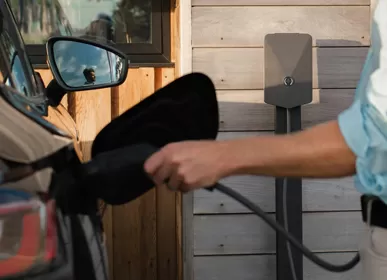
We should abide by the relevant management regulations, never park or charge illegally, do not pull or pull, and do not "fly wire" charging. When charging electric bicycles, they should go to the designated centralized parking place, and choose intelligent charging facilities with functions such as timed charging, automatic power off, and fault protection.

 English
 Deutsch
 Español
 italiano
 русский
 português
 Svenska
 العربية
 Nederland
 norsk
norsk français