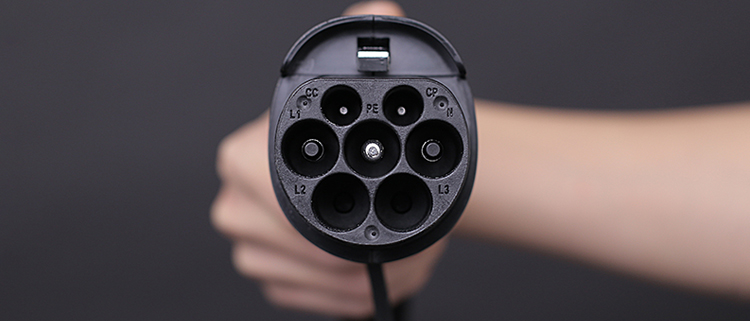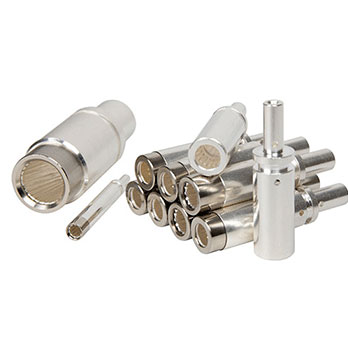
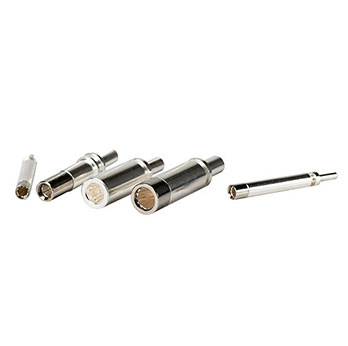
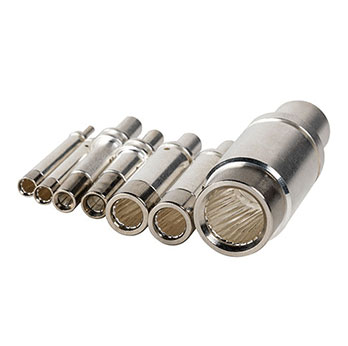
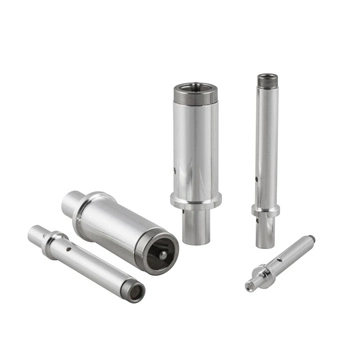
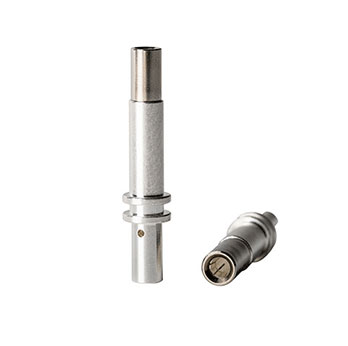
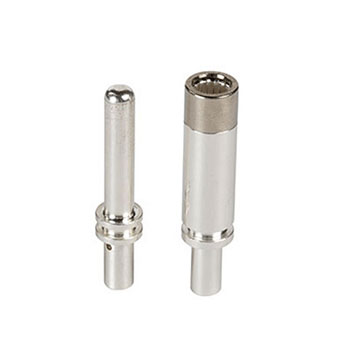
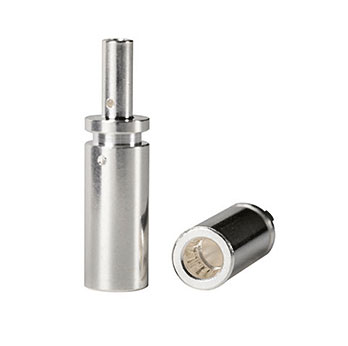




Brass Connector Pin For IEC EV Charging Plug
Contact Pins For Sae EV Charging Plug
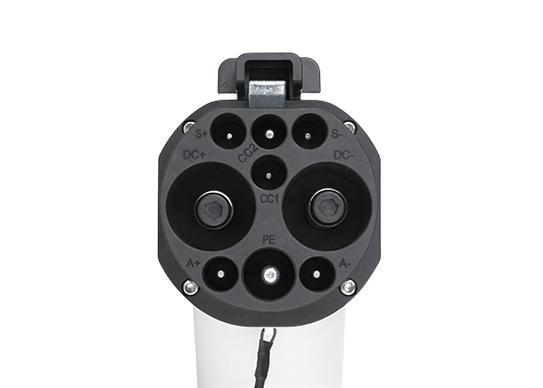
Charging Pin Connector For GB/T EV Charging Plug
NACS Connector Pin For Tesla EV Charging Plug
Lamella Contact Pins
Hyperboloid Contacts
Crown Spring Pins
Energy Storage Socket Connector
Energy Storage Plug Connector
SS1 Series Connector for Energy Storage Connector
SS2 Series Connector for Energy Storage Connector
Custom Cable Harness Assembling
Wiring Harness Connector
EN50620 Cables
Electric Vehicle Charging Cable
Elevator & Conveyor Cable
Industrial Cables And Wires
AC Charging Connector
DC Charging Connector
Type 2 Open End Charging Cable
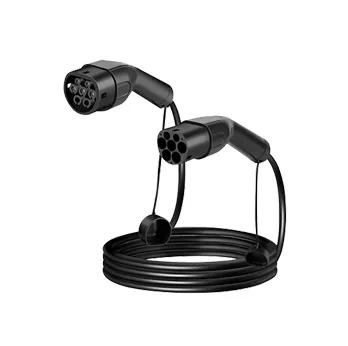
Type 2 -Type 2 Charging cable
CHAdeMo Connector
GB/T DC Charging Connector
NACS Vehicle Plug
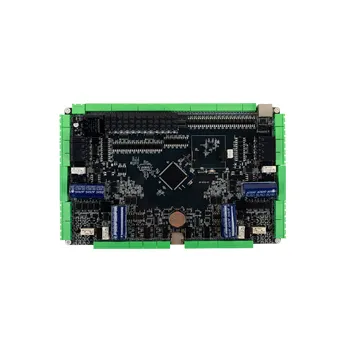
16 Core PCB Connectors
AUPINS Pogopin Hypertac Hyperboloid Contact
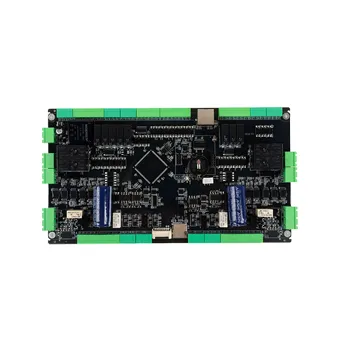
AUPINS Server Hashrate AI PCB Power Supply High Current Charging Terminal Pin
Mode 2 GBT Portable EV Charger
J1772 SAE Type 1 Portable EV Charger
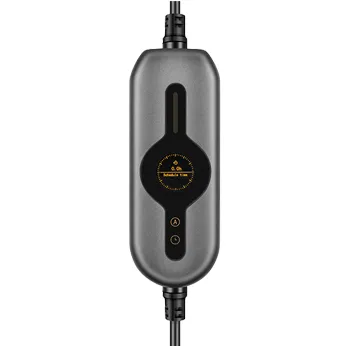
IEC62196 Type 2 Portable EV Charger
DC EV Charger
AC Socket Cable(AC Socket→Battery)
PDU Cable(Battery→Motor)
Motor Wire
PTC Cable(Battery→Air Conditioner)
DC Socket Cable(DC Socket→Battery)
Ground Wire
Three Phase Power Line
Air Pump Line→Compressor
CHAdeMO DC Charging Socket
GB/T AC Charging Socket
GB/T AC Electronic Lock
GB/T DC Charging Socket
SAE AC Charging Socket
CCS1 DC Charging Socket
IEC AC Charging Socket
CCS2 Charging Socket
IEC Electronic Sockets
NACS Vehicle Charging Socket
AUPINS A5 Series Portable EV Charger
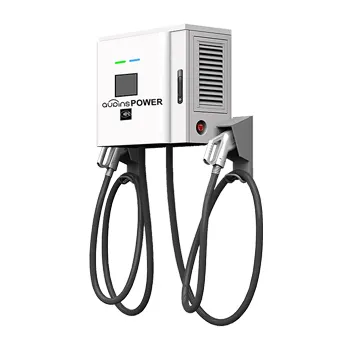
AUPINS C5 Series AC Wall-mounted Charger
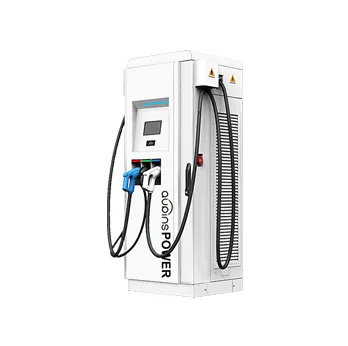
AUPINS EF040 Series Public DC Fast EV Charger
AUPINS EF160 Series DC Fast Charger
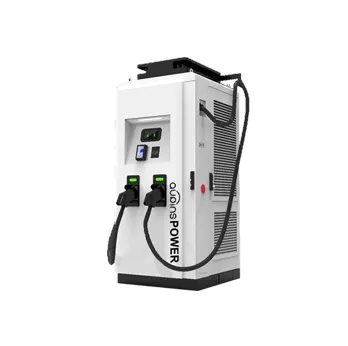
AUPINS EF400 series 360 kw/400kw Public DC Quick Charger
AUPINS S Series Type 2 IEC 62196 Charging Cable
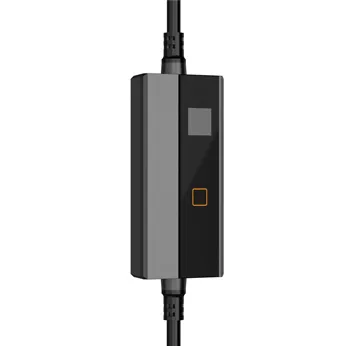
AUPINS T3 Series Portable Charger Mode2 Pro
For metal connectors, we often see them used for signal transmission in some communication, medical and other high-frequency electronic industries; of course, a large number of metal connectors are also used in industries such as industry and rail transit; our earliest contact is also from industry According to the shape of the metal connector, the metal connector can be divided into circular and rectangular; according to the frequency, it can be divided into high frequency and low frequency.
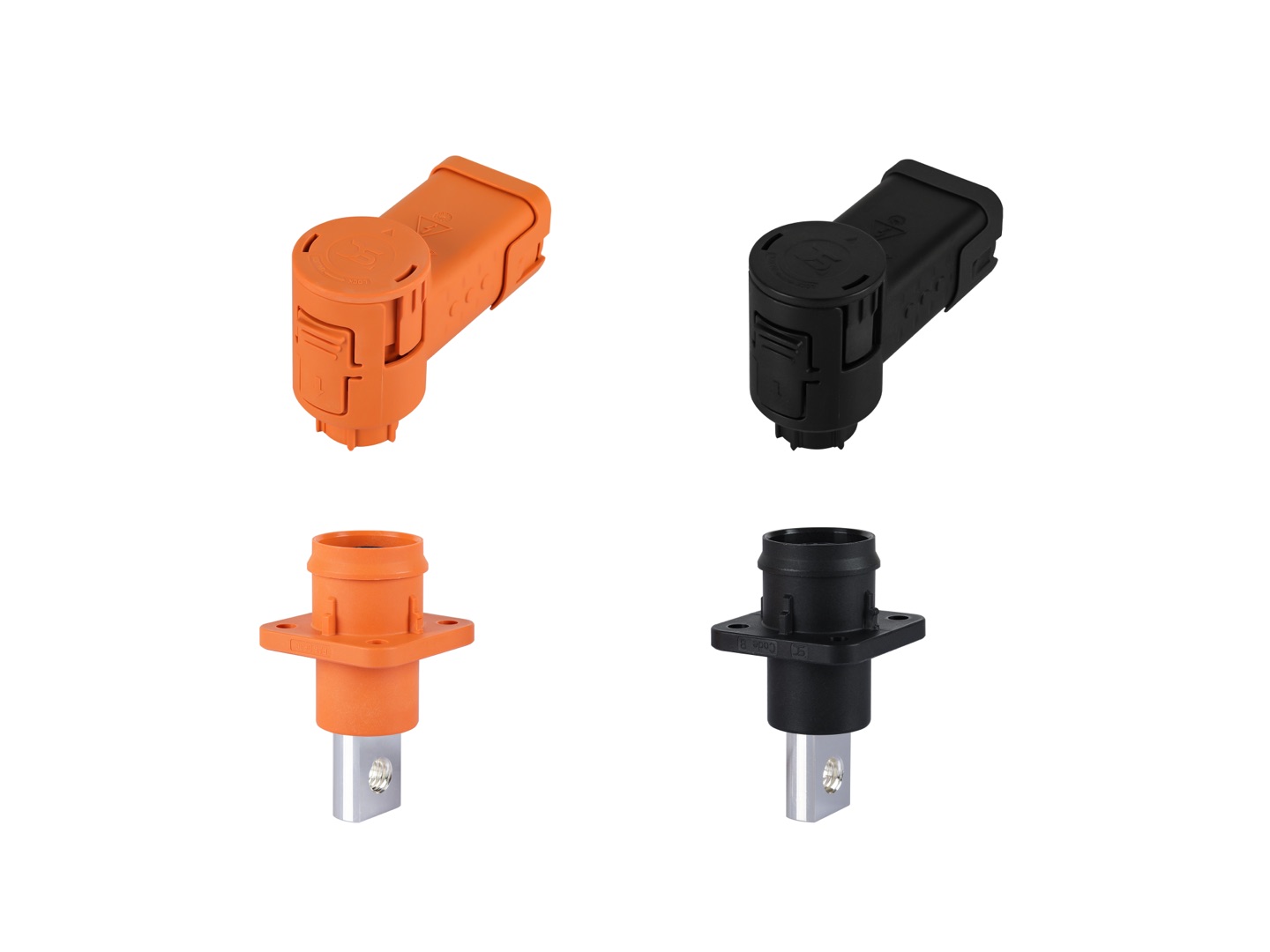
Of course, in the application of metal high-current connectors in the electric vehicle industry, metal connectors have four outstanding advantages compared with plastics in the conduction of high currents: excellent shielding performance, good heat dissipation, and strong environmental resistance The performance and the size of the installation interface are smaller.
With the development of new energy vehicles, more and more complex and more electrical functions are piled up, and the shielding performance requirements of the whole vehicle are also getting higher and higher. For high-voltage systems, the layout of wiring harnesses can basically be designed reasonably, while The coverage rate of the shielding layer of the cable itself of the high-voltage harness has generally exceeded 85%. For the high-voltage connector at the connection point of this system, the shielding performance is very important. If the shielding is a surface-to-point Therefore, the shielding performance of high-voltage connectors is a very important point.
The conduction of high-current connectors requires the connector itself to have very good heat dissipation capabilities. For the connector, like protection and shielding, there are still three points to consider, and its own temperature sources also come from these three areas. : board end connection area, mating end, and wire end crimping area; if these three areas are not handled properly, it is easy to cause excessive temperature and deformation of the material; because the conduction current is large, the temperature is high It is true that we require the temperature rise of the connector to be less than 50K, but in fact, the long-term high current leads to high local temperature. If the plastic grade material will also form a high temperature inner cavity area on the terminal as the central axis, Because the thermal conductivity of the plastic material is small, compared with metal, it is about 1/500~1/600 of the metal, so this will lead to a high temperature in the inner cavity of the connector for a long time, which will cause a series of problems; from this point Generally speaking, under the same cable specification, regardless of the influence of three-point contact, metal has a better heat dissipation capability than plastic.
For more complex working conditions, we need high-voltage connectors to have very good environmental resistance. We found that many high-voltage wire harnesses and connectors are directly suspended from the ground and are closer to the ground, which makes the connectors often appear in relatively In a complex environment, high temperature resistance, low temperature resistance, aging, salt spray, oil pollution, protection, impact, etc. require connectors to do very well. Due to the physical characteristics of the material itself, if it appears in a humid and hot environment for a long time. The high water absorption rate of its physical properties will lead to a decrease in the insulation performance of the material itself, causing an alarm failure.
Similarly, under extreme cold and high temperature long-term working conditions, plastics will also have brittle cracks, deformation and failure of protection; many times, problems with connectors occur under some very extreme conditions, and these conditions are difficult to pass the test of the laboratory. Static test analysis shows that because the working environment is relatively complex, it is difficult to construct a microscopic mathematical model for testing; of course, we also need to consider the poor salt spray resistance of metal connectors.
Because of the lack of shielding cover, the width of the metal connector can be made smaller. Compared with the plastic connector, it can basically be reduced by more than 10mm. In some small installation spaces, this size will be very important, the more the number of pins, the larger the size of the optimization.