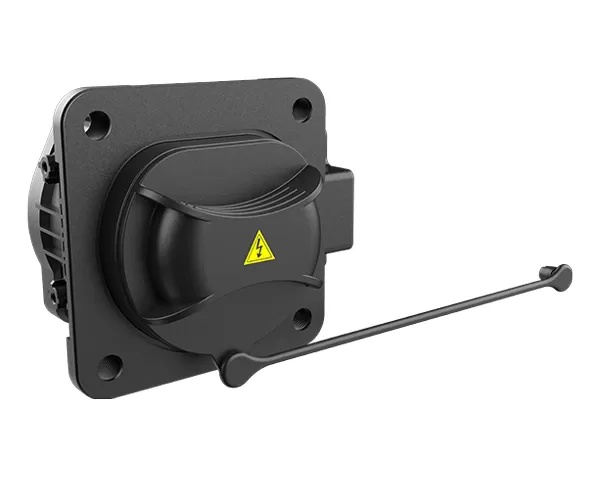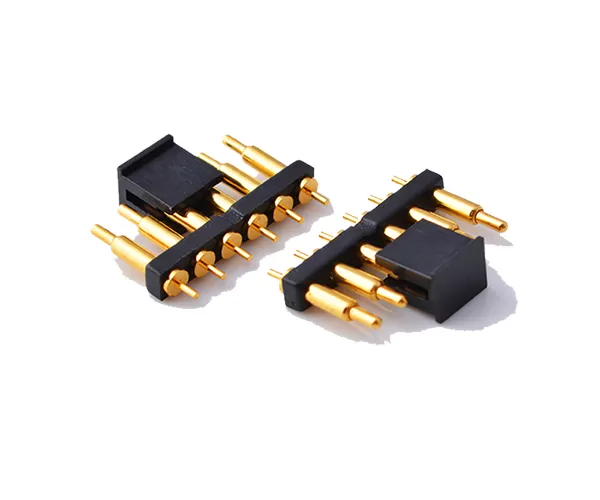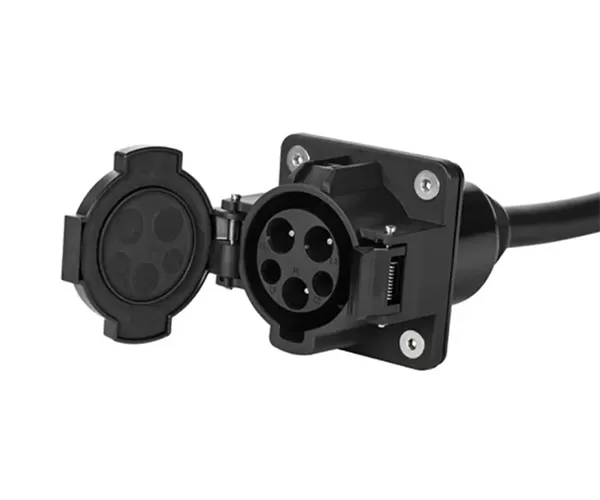
The automotive wiring harness is the main body of the network of automotive circuits, without which there would be no automotive circuits.
An automotive wiring harness is a component that is formed by connecting a contact terminal (connector) made of copper to a wire or cable after it has been crimped, and then plasticised and pressed with an insulator or an additional metal casing to form a bundle of wiring to connect the circuits. Today we will talk about automotive high-voltage wiring harness. (Chinese culture, a yin and a yang is called the Tao. High and low are opposed to each other, and a high voltage harness is opposed to a low voltage harness. Two separate concepts for easy understanding)
What are the specific high voltage harnesses in new energy vehicles?
In new energy vehicles (pure electric for example) the high voltage harnesses can be divided into 5 main parts, i.e. 5 types of high voltage harnesses
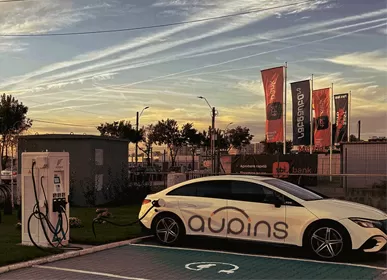
1. Fast charging harness: connects the fast charging port to the high voltage box
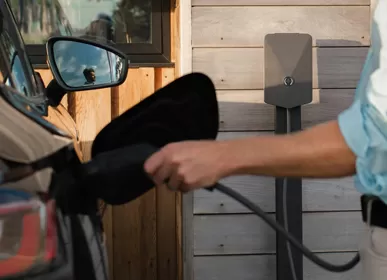
2. Slow charging harness: connects the slow charging port to the on-board motor
3. Motor controller cable: connects the high-voltage box to the motor controller
4. Power battery high voltage cable: connects the battery to the high voltage box
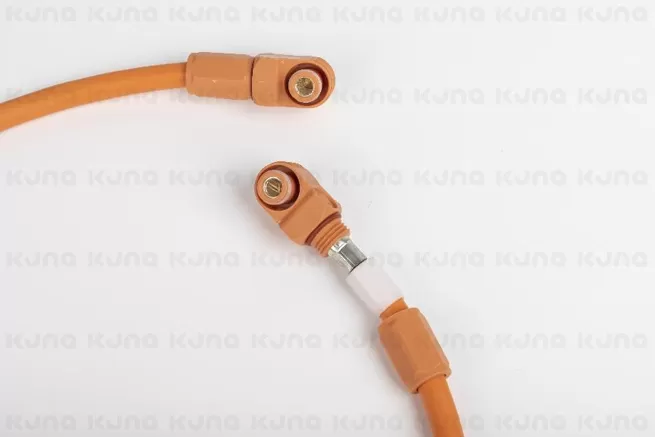
5. High voltage harness assembly: connects the high voltage box to the DC/DC, on-board charger, air conditioning compressor and air conditioning PTC.
As the current passing through the high voltage harness is relatively high and dangerous, orange is the safety warning colour and is more conspicuous. This is why the orange harness is used.
As the high-voltage harness is configured for different voltage levels, different harnesses cannot be used interchangeably.
The crimped parts of all harnesses must not have broken or leaking wires. Exposed conductors in the crimp area should be plasticised with heat shrink tubing. The conductivity of the harness lines should be 100%
In summary: the wires of the high voltage harness are orange. There are standards for wire harness crimping and wire harness squaring.
 English
 Deutsch
 Español
 italiano
 русский
 português
 Svenska
 العربية
 Nederland
 norsk
norsk français