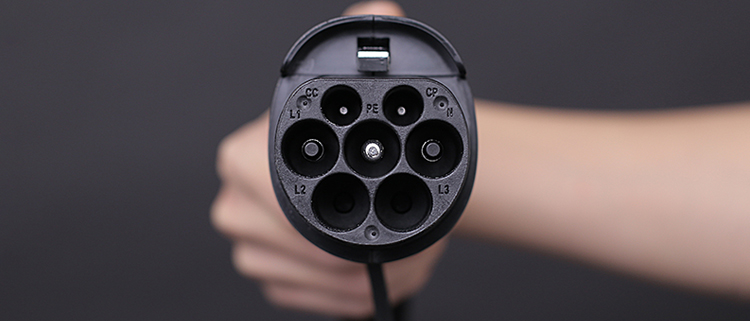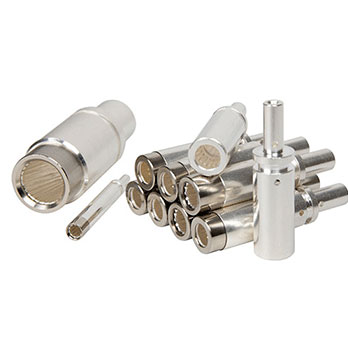
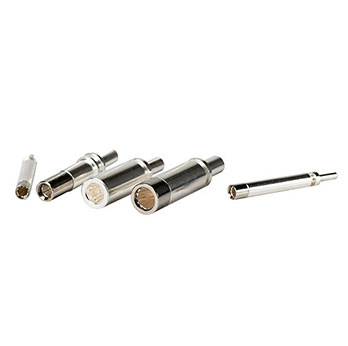
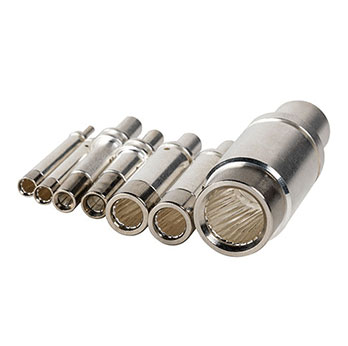
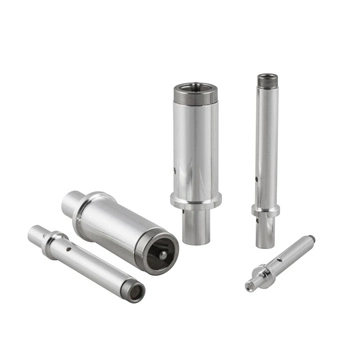
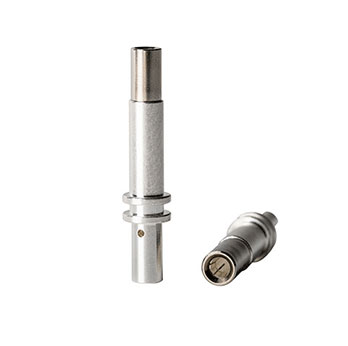
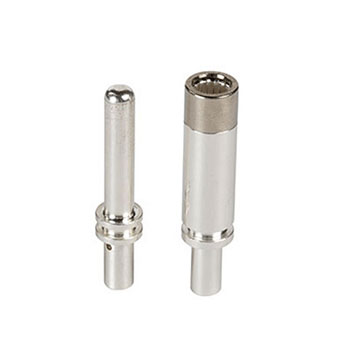
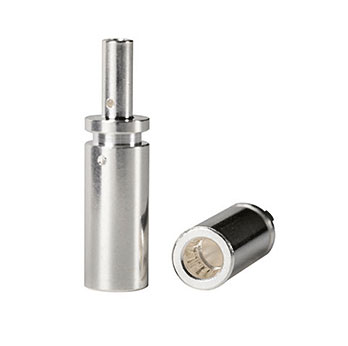



Brass Connector Pin For IEC EV Charging Plug
Contact Pins For Sae EV Charging Plug
Charging Pin Connector For GB/T EV Charging Plug
NACS Connector Pin For Tesla EV Charging Plug
Lamella Contact Pins
Hyperboloid Contacts
Crown Spring Pins
Energy Storage Socket Connector
Energy Storage Plug Connector
SS1 Series Connector for Energy Storage Connector
SS2 Series Connector for Energy Storage Connector
Custom Cable Harness Assembling
Wiring Harness Connector
EN50620 Cables
Electric Vehicle Charging Cable
Elevator & Conveyor Cable
Industrial Cables And Wires
AC Charging Connector
DC Charging Connector
Type 2 Open End Charging Cable
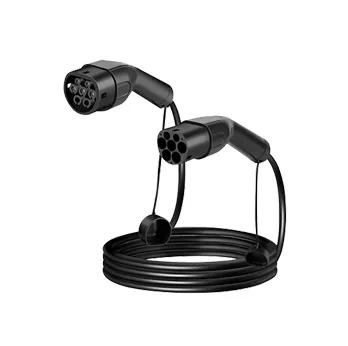
Type 2 -Type 2 Charging cable
CHAdeMo Connector
GB/T DC Charging Connector
NACS Vehicle Plug
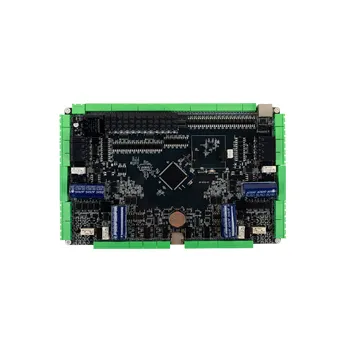
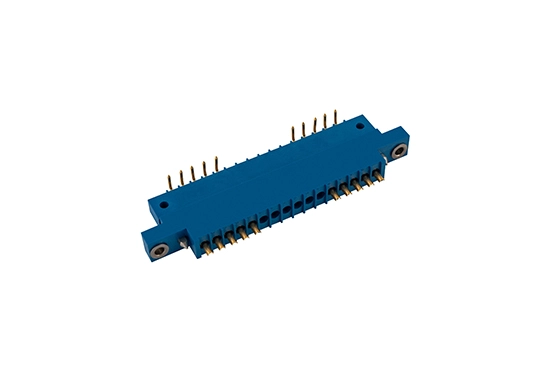
16 Core PCB Connectors
AUPINS Pogopin Hypertac Hyperboloid Contact
AUPINS Server Hashrate AI PCB Power Supply High Current Charging Terminal Pin
Mode 2 GBT Portable EV Charger
J1772 SAE Type 1 Portable EV Charger
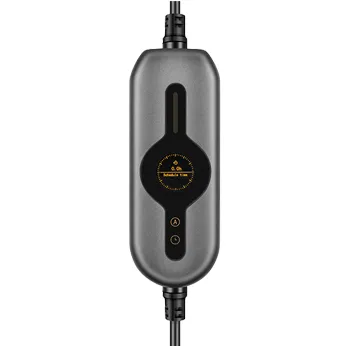
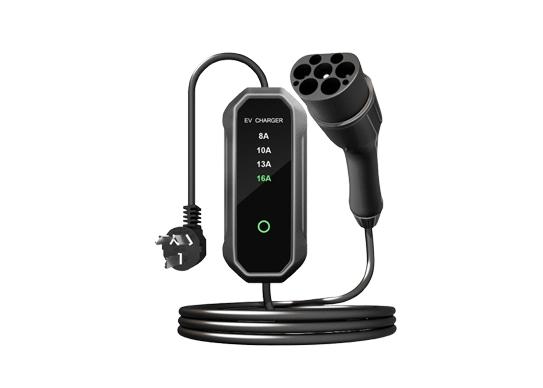
IEC62196 Type 2 Portable EV Charger
DC EV Charger
AC Socket Cable(AC Socket→Battery)
PDU Cable(Battery→Motor)
Motor Wire
PTC Cable(Battery→Air Conditioner)
DC Socket Cable(DC Socket→Battery)
Ground Wire
Three Phase Power Line
Air Pump Line→Compressor
CHAdeMO DC Charging Socket
GB/T AC Charging Socket
GB/T AC Electronic Lock
GB/T DC Charging Socket
SAE AC Charging Socket
CCS1 DC Charging Socket
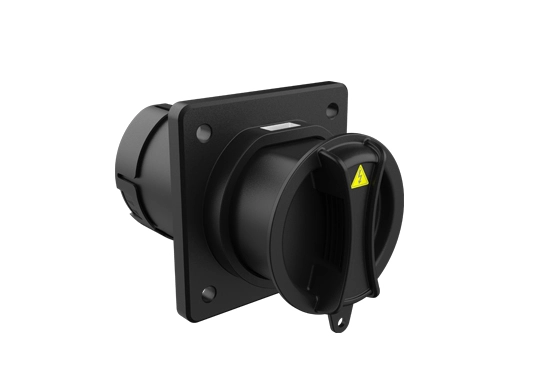
IEC AC Charging Socket
CCS2 Charging Socket
IEC Electronic Sockets
NACS Vehicle Charging Socket
AUPINS A5 Series Portable EV Charger
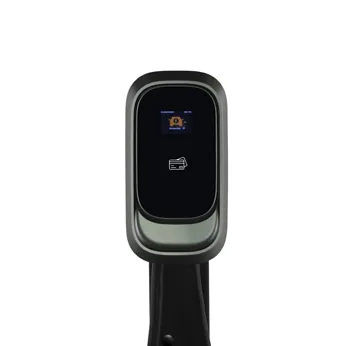
AUPINS C5 Series AC Wall-mounted Charger
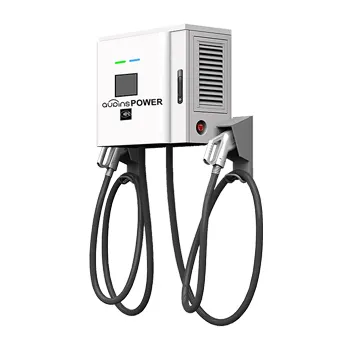
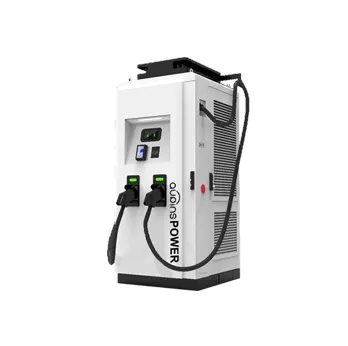
AUPINS EF040 Series Public DC Fast EV Charger
AUPINS EF160 Series DC Fast Charger
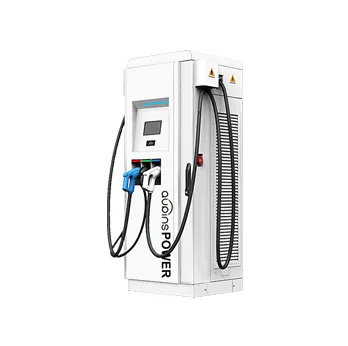
AUPINS EF400 series 360 kw/400kw Public DC Quick Charger
AUPINS S Series Type 2 IEC 62196 Charging Cable
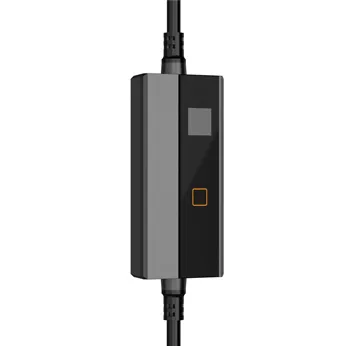
AUPINS T3 Series Portable Charger Mode2 Pro
1. Security issues cannot be ignored
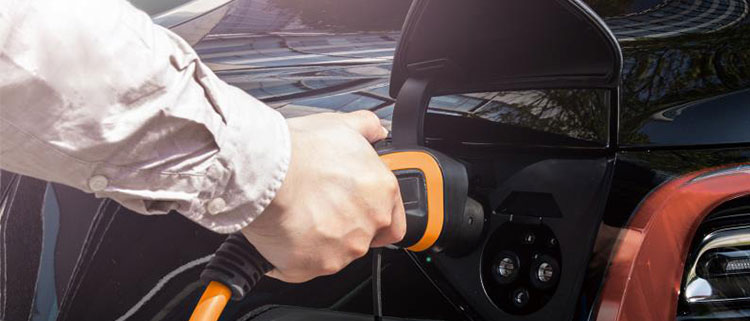
The charging gun, as a bridge connecting the car and the pile, has a direct impact on the safety of the charging experience. Therefore, the design of the charging gun and the selection of materials need to be strictly controlled.
One is the choice of materials. The charging gun has strict requirements on the plastic material of the gun body, which must meet the requirements of different environments such as high temperature resistance and low temperature resistance. The second is the requirements for cables, which not only need to have a certain limit on the diameter of the cable and the thickness of the film, but also need to pass high temperature resistance, aging resistance and other tests to ensure that it will not be oxidized for a long time. The third is the requirement for the overall structure design of the charging gun. If the design is unreasonable, it may not have an intuitive impact in the short term, but once it is damaged by long-term environments such as wind and sun, its brittleness will gradually become prominent. The second aspect is the safety of electrical performance. It is mainly reflected in the reliability of the metal terminals inside the charging plug. The reliability of the terminal directly determines the sealing of the charging interface. Tightness has two direct effects. One is that the temperature of the charging plug will rise during the connection process, which will cause the cable to heat up and cause unsafe hazards; the other is reflected in the tightness of the terminal plating. If the tightness is not designed properly, the interface will loosen or loosen when plugging and unplugging the charging cable.
2. How to make a good bridge between the car and the pile?
The first is the issue of quality standards. According to the research report of the 100 Electric Vehicle Committee, “At present, almost no manufacturers can provide products that meet the standards.” Li Jinpu also said, “At present, there are at least 20 companies that make charging guns, and each product is different.” It can be said that , The reason for this situation is that there is no clear policy or regulation to clearly define the quality of the charging gun, including material selection, port design, cable requirements, etc.
Second, the inspection standards need to be improved urgently. The current situation is that most of the charging guns produced by various companies have not passed strict quality control and related inspections, and have been exiled to the market. Perhaps there are no or few related safety hazards for the time being, but it has to be said that once these products cannot withstand harsh environments such as high temperature and low temperature, they will inevitably bury hidden dangers for charging safety.
The third is the degree of cooperation between companies related to new energy vehicles, charging guns, and charging piles. A tiny screw, a small structure, or even an inconspicuous parameter will directly affect the development of an industry. Therefore, no matter how insignificant the equipment is, it will affect the whole of related industries. The same goes for the charging gun. Its quality directly affects the safety of electric vehicles during charging. Close contact is more important.
Finally, the correct guidance of the market is also needed. One is to review the old charging guns; the other is to guide the correct use of charging guns, especially in the period of rapid development of e-commerce, when users buy charging guns, most of them are blind and there is no uniform price Standards, therefore, the active coordination of the role of the market is particularly important.