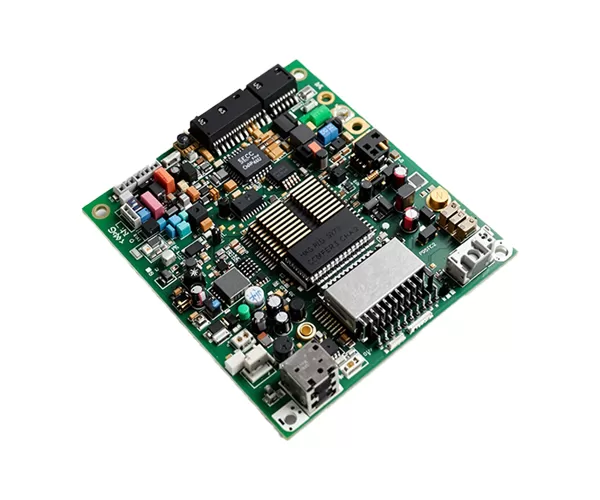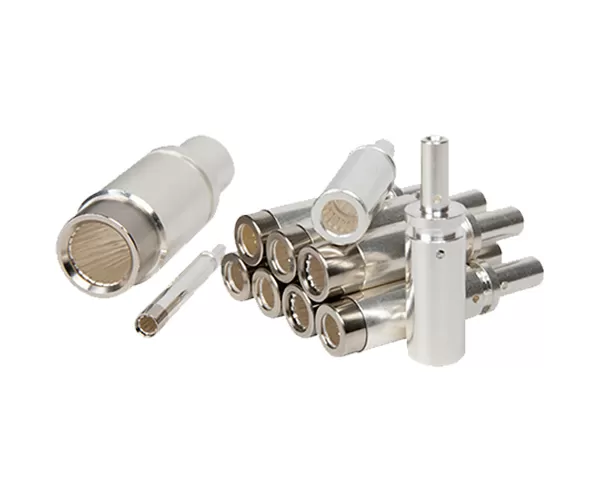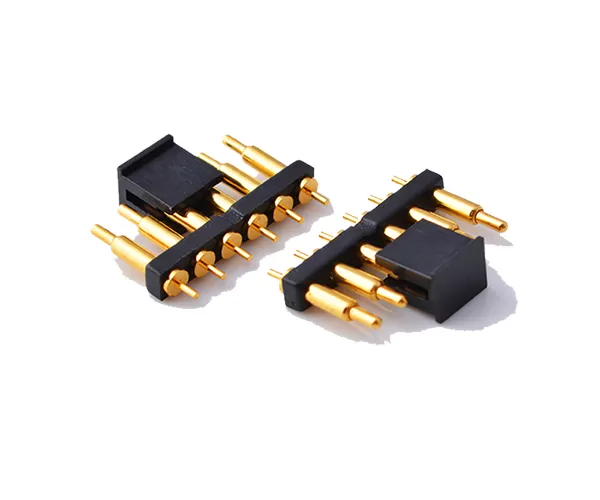
The high-voltage connector for new energy vehicles is a mechatronic product, mainly composed of four parts: contact parts are the core components of the connector to complete the optical and electrical signal connection, through the insertion of the contact parts to complete the vehicle in the vehicle required optical and electrical signal connection; insulator and shell mainly play a fixed, insulating and mechanical protection role. The manufacturing process integrates electrical performance design, CNC machining, stamping technology, plastic pressing technology, precision die-casting technology, strict test methods and other multiple technology combinations in one.
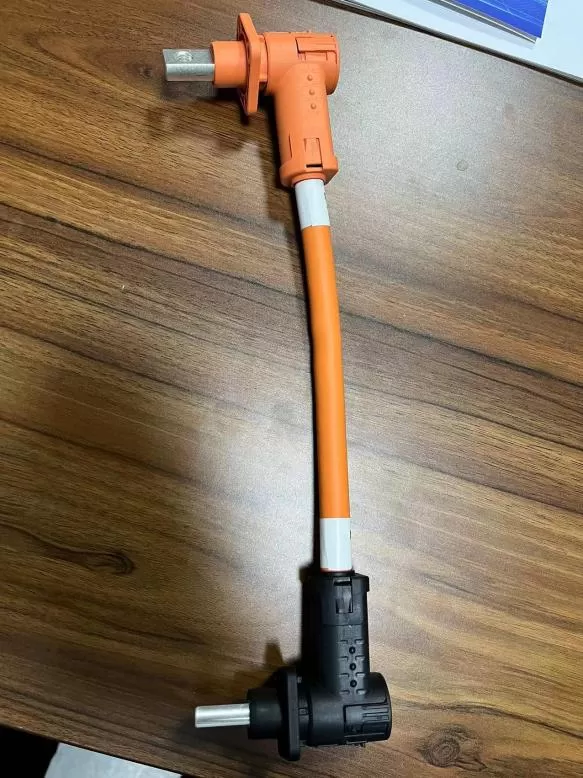
As the quality and accuracy of high-voltage connector products directly affect the electrical, mechanical, environmental and other performance of the connector, which in turn affects the safety of electric vehicles, so the quality requirements and manufacturing precision of high-voltage connector is relatively high, belongs to the connector field in the higher value-added high-end products.
In the field of new energy vehicle industry, high-voltage connectors are extremely important components, the vehicle, charging facilities are used. The main application scenarios of high-voltage connectors on the vehicle are: DC, water heating PTC charger, air heating PTC, DC charging port, power motor, high-voltage wiring harness, maintenance switch, inverter, power battery, high-voltage box, electric air conditioning, AC charging port, etc.
The new energy vehicle high-voltage cable is somewhat different from the ordinary car cable, mainly because the use environment has changed greatly
1. High voltage and high current (vehicle)
Can reach 600/300A, but the battery voltage of traditional fuel vehicles is usually 12V, corresponding to the voltage withstand level of the wire is less than 60V.
2. Large wire diameter and large number of cables (on-board)
High voltage battery frequency conversion degree transformer / low voltage battery / air conditioning compressor / electric heating / power distribution list, many electrical structures are connected with cables, and a huge number of cables are allocated in a limited space.
3. Exposed space (outside the vehicle)
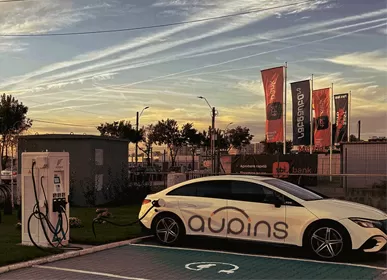
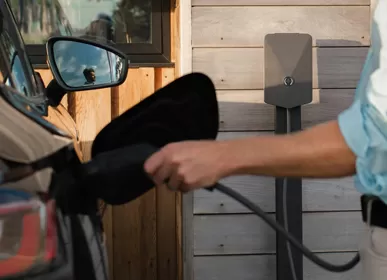
The charging gun part of the cable is in the exposed space for a long time, weather resistance, abrasion resistance, bending resistance, tear resistance ...... has strict requirements.
Due to the high voltage/high current and large number of large diameter wires in the vehicle, the design of the harness faces challenges such as wiring, safety, shielding, weight and cost.
 English
 Deutsch
 Español
 italiano
 русский
 português
 Svenska
 العربية
 Nederland
 norsk
norsk français